



However, when was the last time you finished using social media apps and you felt that you had regained your activity?
You have to know that comfort is important; it is the condition in which our bodies recover and grow, our minds become smarter and more creative, the willpower is renewed, and we gain the ability to control emotions.
Comfort is very important to work in a happy, healthy and sustainable way; therefore, it is wise to think of comfort as an integral part of doing good work and not as something separate from it; sometimes doing nothing at all is an act.
But there is science and art behind good rest, and not all forms of comfort are equal; it turns out that many activities that we think are comfortable can make us feel more tired and stressed.
Before we talk in detail about the best ways of rest, it is useful to agree on a common definition. Most researchers agree that rest is a physiological condition during which the hit-and-run response is reduced to enjoy a more relaxed state; the heart rate and blood pressure decrease, and you usually feel relaxed in your shoulders as well.
Psychologically, comfort is a shift from a way of thinking that requires concentration and effort - such as striving to solve a problem or trying to figure out the best way to express an idea of a complex topic - to a situation that is sometimes characterized by an absence of mind or an inability to focus.
Essential aspects of any truly relaxing activity
Both "stress" and "rest" can be somewhat personal. Running five miles can be a comfortable activity for some people and a stressful one for others, but there are some aspects that are really necessary for any activity to be comfortable.
1. Do not usually exercise self-control when working
At first, it may take willpower to resist feeling anxious about work or other seemingly pressing problems, but when you are comfortable, you're supposed to feel easy to do.
Trying to get relief with difficulty, such as forcing yourself to listen to music and breathe deeply when all you really want to do is respond to emails, is against the underlying goal of comfort, so you should either find an activity to put your mind at ease or finish your work and try to relax afterwards.
2. Don't think consciously about your work
Your subconscious may still connect things and solve problems but your conscious mind does not think about things about your work, and is not focused on something specific; likewise, a relaxing activity cannot be an activity of concern.
3. Do not let the activity interfere with your ability to sleep, which is the ultimate form of comfort
If watching TV - and not the news - makes you feel entertained and doesn't affect your sleep, it's okay to do so, but you have to pay attention to it. Studies show that doing this activity within a few hours before bed can affect sleep; it may be because of the blue light emitted from the screen.
If you're having trouble sleeping or staying asleep, it's best to stop watching TV late at night.
Activities that give you relaxation
There are many activities that meet the above criteria for comfort; however, some of them in particular have proven to be benefits:
1. Walking
In a study entitled "Give Your Ideas Some Legs", researchers from Stanford University found that individuals who took a short break between 6 and 15 minutes walk on foot increased their creative thinking by 40 to 60% compared to those who remained seated in their offices.
Initially, they predicted that increased blood flow to the brain was the main reason for the benefits of walking, but it seems that the benefits may also be seen through the interaction between walking and attention; walking does not require much of the thinking that it takes to exert effort, allowing us to easily become wander and distracted, both of which are linked with creativity.

2. Spending time outside with friends
The ratio of testosterone to cortisol is a good indicator of stress and recovery; testosterone is associated with growth and regeneration, while cortisol is associated with stress and degradation; so the higher the ratio, the better.
Studies have found that in stressful periods such as a competitive sporting event, for example, people relaxing with friends have higher testosterone levels, and other research shows that social communication helps to turn the nervous system into a state of rest and releases hormones that have anti-inflammatory properties such as oxytocin and vasopressin.

3. Spending time in nature
Time spent in nature is associated with more relaxed physiological and psychological states. Even looking at pictures of natural places for a few minutes has proven to increase creative thinking.
Florence Williams of The Nature Fix sees nature as calming us down with its magic, helping us comfort our entire body and direct our attention to our abilities.

4. Hiking
Hiking combines the three strategies mentioned above; Group hiking tours in the forest have been found to reduce stress hormones and relieve almost every part of the hit-and-run response to get the full effect of the group walks.
So, leave your smartphone or at least turn it off if you feel the need to bring it; there is absolutely no one who regrets going on a picnic with friends without bringing their phone.

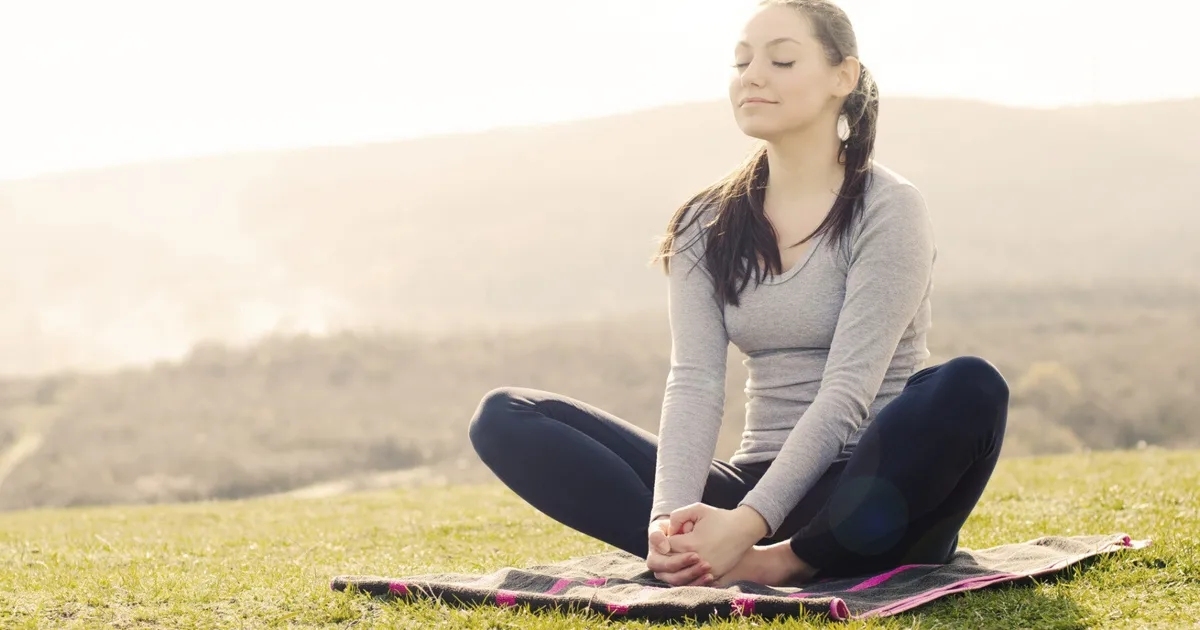
5. Meditation Practice
Pay careful attention to the sensations you feel in different parts of your body; you may close your eyes and focus deeply on the feeling of your feet on the ground, then the hamstrings contract, then relax, your stomach rises and falls with each breath, your heart beats, etc.
Studies indicate that the practice of open observation meditation for only 10 minutes at the beginning, effectively enhances psychological recovery.
6. Sleep
The obvious thing is that there is no more powerful form of comfort than sleep; during sleep your body heals, grows, and your mind retains, enhances, and connects the information that you have experienced during the day.
A short nap of 10-30 minutes can give you a boost of energy and creativity, but nothing can replace the enormous importance of sleeping seven to nine hours each night , simply because sleep is one of the most productive things you can do.

When it comes to how comfortable you should be despite the lack of direct guidance, there are some tips that can help.
It's good to balance stress and comfort. The more stress you have in your life, the more you have to make up for it with comfort. Another good way to think about comfort is to alternate between periods of intense, highly concentrated work and periods of short breaks.
In conclusion
If you want to prioritize rest, you must be careful not to fall into the common trap that makes many people of goodwill think they are resting. However, they never feel comfortable, and activities that may look like comfort are often far from it.
So, replace the times for lying down and watching TV with walking, going to nature, meditating, and hiking with friends. It may seem difficult at first, but once you get started, you'll feel a lot better.




Add comment