



They can range from hidden emotions to intense and urgent experiences. Understanding emotions is essential for personal development, social interactions, and well-being. This article will explore some critical things about emotions, such as their functions, types, and how they can affect our lives.
What are the most critical books to help you understand emotions?
Many excellent psychological books explore emotions and their impact on our lives. Here are some recommended books:
1. Emotional Intelligence by Daniel Goleman
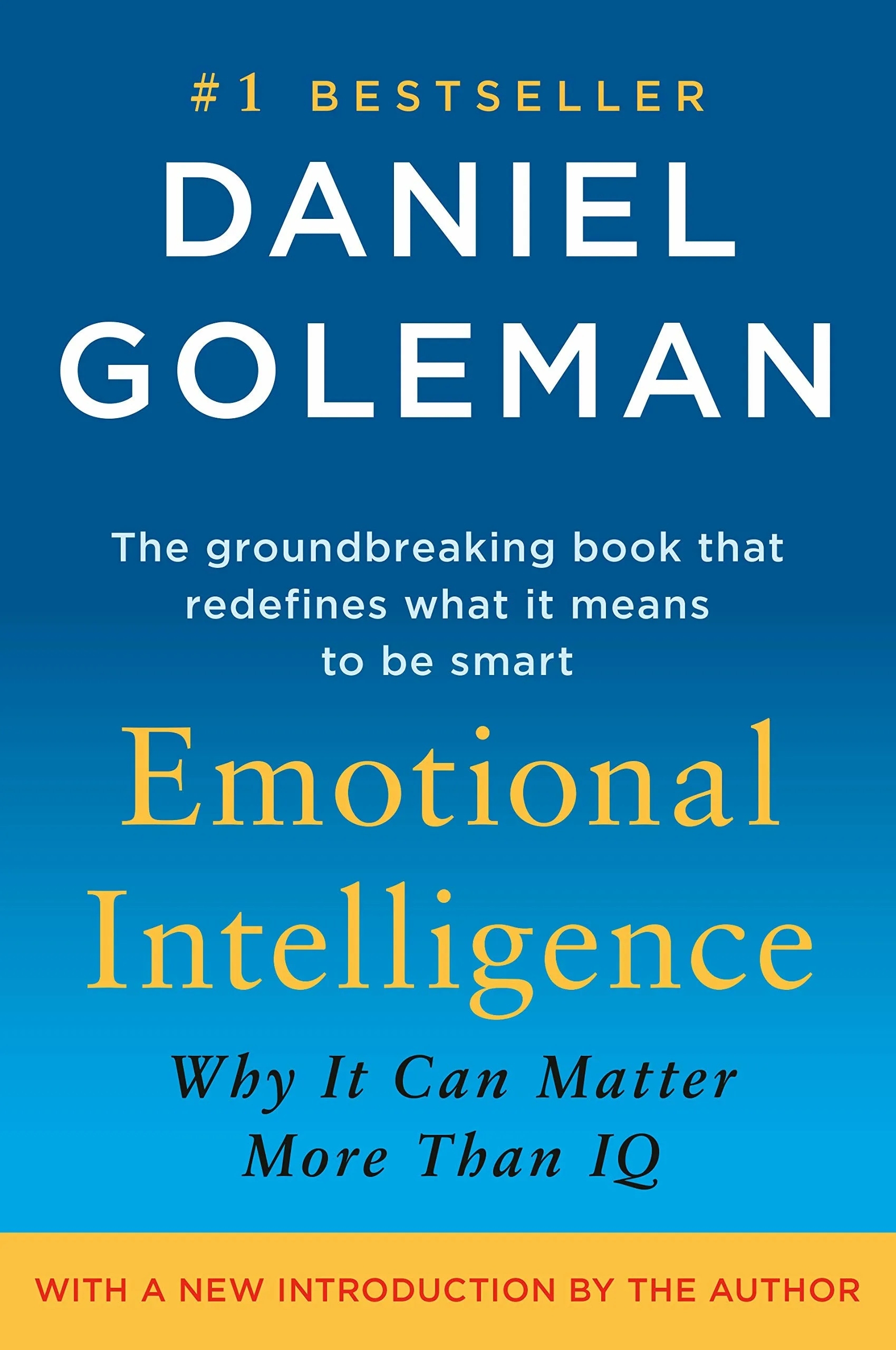
This book is a classic in the psychology field, exploring the concept of emotional intelligence and how it can affect our personal and professional lives.
2. The Language of Feelings by Carla McLaren
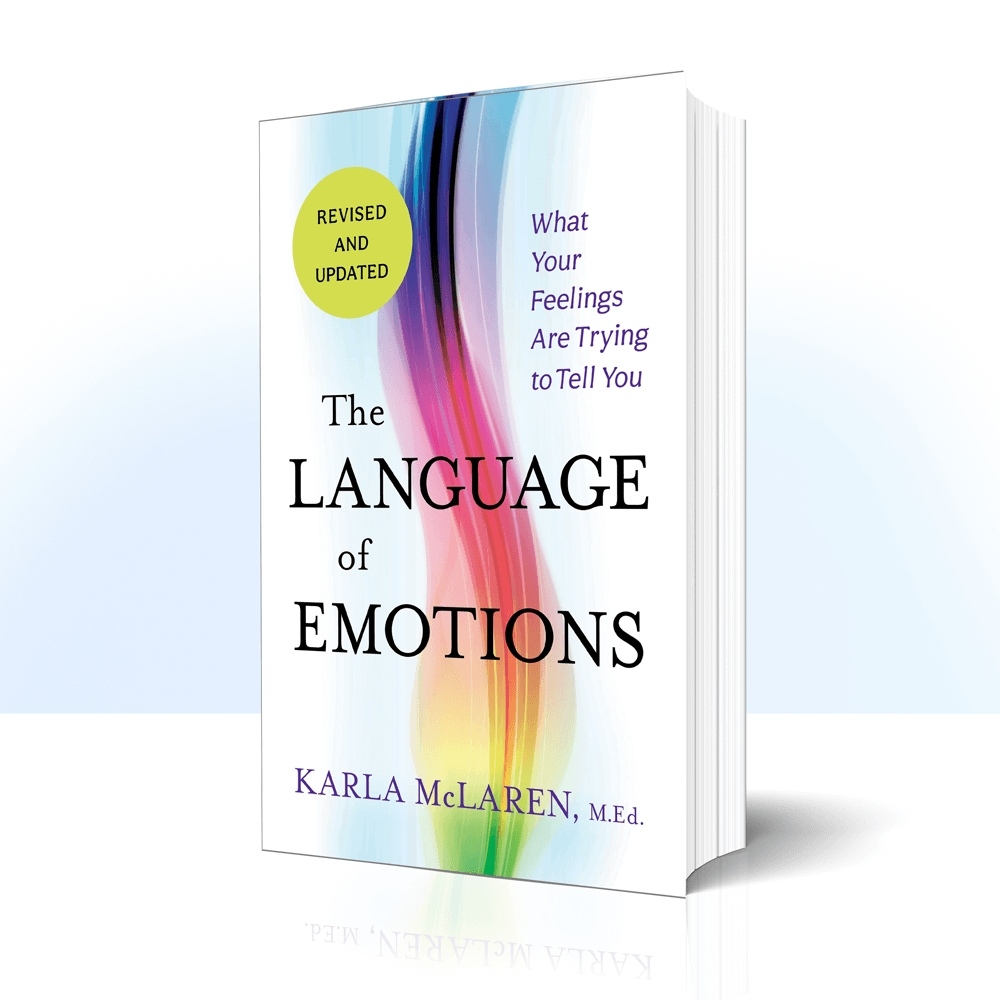
This book takes a unique approach to emotions by examining them as a form of communication that can help us succeed in our relationships and personal growth.
3. The Power of Weakness by Brene Brown

This book explores the power of weakness and how it can lead to deeper bonds with others and a more fulfilling life.
4. Feeling Good: The New Mood Therapy by David D. Burns
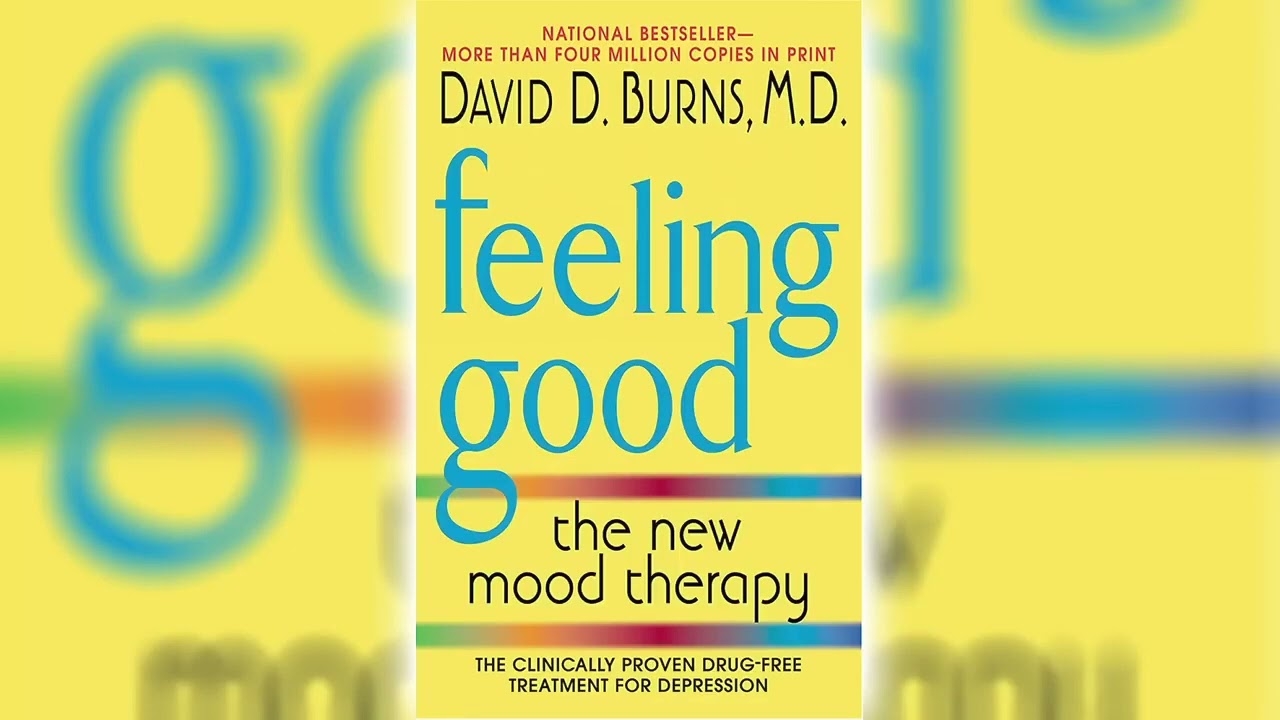
This book is a practical guide to overcoming depression and negative emotions through cognitive behavioral therapy techniques.
5. Happiness Hypothesis by Jonathan Haidt
This book explores the science of happiness and how our emotions and thought processes can affect our overall well-being.
These books provide a wealth of knowledge and insight into the complex world of emotions and how we can better understand and navigate them daily.
Emotions are a universal language that does not need a teacher
“Revealing Emotions” by Paul Ekman is a fascinating book exploring the science behind emotions and how they are expressed in facial expressions, body language, and voices, introducing the idea that emotions are universal across cultures and can be recognized through various facial expressions.
One of the main ideas in the book is that emotions are automatic responses to our environment and can be triggered by a wide range of stimuli. For example, fear may be caused by loud noise or seeing a snake, while happiness may stem from having someone nearby or a pleasant experience.
How can emotions be read and interpreted?
Emotions can be read and interpreted through facial expressions, body language, and words. Ekman suggests that we can better understand others' feelings and communicate more effectively by learning to recognize these signals.
For example, a person who feels angry may show a wrinkled brow, a tight jaw, and a loud voice, while a person who feels sad may show a droopy mouth, a loose shoulder, and a calm voice.
Can emotions be controlled?
The book also addresses the idea that emotions can be regulated and controlled through various techniques, such as cognitive re-evaluation and mindfulness. Ekman suggests that we can improve our well-being and relationships with others by learning to regulate our emotions. For example, practicing mindfulness meditation may involve becoming more aware of our thoughts and emotions, and learning to observe them without judgment.
“Revealing Emotions” is a fascinating and informative guide to the science of emotions and how they are expressed and interpreted. By understanding the nature of emotions and learning to recognize and regulate them, we can improve our emotional intelligence and ability to communicate with others.
What is Emotional Intelligence?
Daniel Goleman's Emotional Intelligence is a groundbreaking book that popularized the concept of emotional intelligence and its importance to personal and professional success. The book introduces the idea that emotional intelligence is a critical component of leadership, communication, and relationships and can be developed through deliberate practice.
The book explains that emotional intelligence includes a set of skills that allow us to manage our feelings and the feelings of others. Goleman suggests that by developing these skills, we can improve our relationships, make better decisions, and lead more effectively. For example, a leader who can manage their emotions and empathize with the feelings of their team members is more likely to build trust and loyalty.
How can emotional intelligence be developed?
Another key idea in the book is that emotional intelligence can be developed through practice and feedback. Goleman suggests that by paying attention to our feelings and responses to others, we can become more self-aware and develop greater emotional self-regulation.
For example, a person who tends to become angry or defensive in conflict situations may begin to explore their emotional triggers and develop alternative responses.
Why is emotional intelligence essential for our mental health?
The book also explores the idea that emotional intelligence is a critical component of resilience and psychological well-being, and Goleman suggests that by developing emotional intelligence, we can better cope with stress, manage our emotions, and develop positive relationships.
For example, a person who can recognize and manage their emotions may be better prepared to deal with difficult situations at work or maintain positive relationships with family and friends.
Emotional Intelligence is an essential book for anyone interested in personal and professional development. By understanding the importance of emotional intelligence and practicing the skills involved, we can improve our relationships, make better decisions, and lead more effectively.
There are no good or bad emotions
Carla McLaren's The Language of Emotions takes a unique approach to emotions. She views them as a form of communication that can help us succeed in our relationships and personal growth. The book introduces the idea that each emotion has its own message and purpose and that by understanding these messages, we can better understand ourselves and others.
One of the basic ideas in the book is that emotions are not inherently good or bad but just information that can help us navigate our lives. For example, fear can be seen as a warning signal that alerts us to potential danger, while anger can be a signal that our boundaries are violated. By understanding the purpose of each emotion, we can learn to work with it constructively.
How do emotions help us connect deeply?
Another core idea addressed in the book is that emotions can help us connect with others on a deeper level. For example, empathy is the ability to feel and understand the feelings of others. It can help us build stronger relationships and promote greater understanding. The book provides exercises and practices that help us develop empathy and emotional intelligence. That allows us to communicate more effectively with others.
What are shadow emotions?
The book also explores the idea of shadow emotions, which are emotions that we may be ashamed of or try to suppress. McLaren suggests that by acknowledging and properly dealing with these shadow feelings, we can gain greater self-awareness and emotional maturity.
For example, jealousy may be a shadow emotion we are ashamed of. However, by acknowledging and exploring it, we may discover that it is rooted in fear of abandonment or insecurity.
The “language of emotions” is a practical guide to understanding and dealing with our emotions. By looking at emotions as a form of communication, we can learn to use them constructively, deepening our relationships with ourselves and others.
In the world of emotions, how can weakness be power?
“The Power of Weakness” by Brene Brown is a transformative book that explores the power of weakness and how it can lead to deeper bonds with others and a more fulfilling life.
One of the key ideas in the book is that weakness is necessary to build trust and familiarity in relationships. Brown suggests that by sharing our weaknesses with others, we give space to deepen bonds and understanding. For example, opening up to a friend or family member about our fears or concerns can lead to a deeper trust and familiarity in the relationship.
In the world of emotions, weakness means growth and courage
Another key idea in the book is that weakness is essential for personal growth and resilience. Brown argues that by embracing our weaknesses, we can develop greater self-awareness and emotional maturity. That can help us overcome life's challenges more effectively. For example, we can develop greater self-acceptance and resilience by acknowledging and working to resolve our feelings of shame or self-doubt.
The book also explores the idea that weakness requires courage and self-compassion. Brown suggests that by practicing self-compassion and embracing our flaws, we can develop the courage to be weak and appear authentic in our relationships and lives. For example, practicing self-compassion may involve treating ourselves kindly when we make mistakes or face challenges.
In conclusion
“The Power of Weakness” is an inspiring and practical guide to embracing our weaknesses and living a more authentic and fulfilling life. Cultivating vulnerability can deepen our relationships, develop greater resilience, and connect with our true selves.




Add comment