



This article discusses the importance of empathy, understanding others' perspectives, and 7 ways to enhance empathy.
What is Empathy?
Empathy is the ability to understand and share others' feelings and experiences. It helps us connect with others on a deeper level.
Empathy exists in all aspects of life, including personal and professional relationships and interactions with strangers. Although some people are naturally highly empathic, anyone can build and enhance their empathy skills through practice and self-awareness.
Empathy Types
Most psychology experts agree that there are three types of empathy. Although each type has a distinct function, they all highlight how vital empathy is:
1. Cognitive Empathy
This empathy type allows you to perceive and understand someone’s emotions without physically experiencing them.
2. Emotional Empathy
Emotional empathy refers to the ability to emotionally and physically feel another person's emotions as if they were your own.
3. Compassionate Empathy
Also known as empathic concern, this empathy type drives you to act to alleviate someone else's suffering based on your understanding of their emotions.
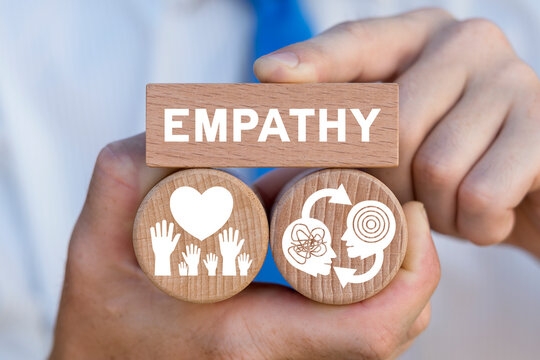
Empathy Importance
Empathy enables you to establish stronger connections with friends, family, coworkers, and even strangers by enabling you to relate to them on a deeper level. For example, you become a better leader when you empathically lead your team.
You can make choices that consider people's interests when you are aware of their feelings. Also, an empathetic approach helps you resolve conflicts and disagreements effectively, ensuring that everyone feels valued and respected—an essential aspect of successful relationships. Understanding others' viewpoints gives you the following empathy advantages:
1. Stronger Relationships
Empathy allows you to build relationships based on mutual support and understanding.
2. Better Communication
Empathy fosters active listening and validates others' feelings, leading to clearer and more effective communication.
3. Conflict Resolution Skills
Understanding others' perspectives and emotions helps you resolve conflicts peacefully by finding common ground.
4. Deeper Understanding
Empathy encourages you to be compassionate and kind towards others, which advances understanding.
How to Become More Empathetic?
Empathy is not an innate skill; everyone, even naturally empathic people, can hone their abilities to be more empathetic towards others. Developing empathy and compassion takes time, self-awareness, and practice; there is no quick fix.

7 Ways to Enhance Empathy
1. Practice Active Listening
Active listening involves listening to understand—not just respond. Every conversation—whether it's with a spouse or the grocery store clerk—is an opportunity to practice active listening. Give people your full attention, express interest in what they have to say, and seek clarification when necessary. Also, avoid interrupting or rushing to share your thoughts and opinions.
2. Cultivate Curiosity
You become more empathetic when you are curious about others' experiences and feelings. To foster curiosity in your relationships, ask open-ended questions that do not have a "yes" or "no" response. This encourages the other person to share their story and allows you to learn more about their perspective. However, avoid leading questions that impose a specific answer or opinion.
3. Adopt Others' Perspectives
Adopting others' perspectives means putting yourself in their shoes and imagining how they feel about a situation. You can practice this skill through role-playing, writing exercises, or by considering different scenarios from multiple viewpoints.
4. Validate Others' Emotions
Validating others' emotions, even in casual conversations, is one of the simplest ways to develop empathy. In general, validating someone's emotions entails acknowledging them without judgment.
For example, you might talk to a friend who is feeling anxious about a big work project and respond: "That sounds like a tough situation; I can imagine how stressed and worried you must feel about it." However, make sure to be sincere when doing so.
5. Seek New Personal Experiences
It is very difficult to grow without social interaction. Empathetic people understand that they are a small part of a much larger community and need to seek new experiences for growth. You can become more empathetic by seeking out and interacting with people who have different perspectives and backgrounds than your own.
You can find people from diverse backgrounds online even if you do not have direct access to them. You might listen to a podcast featuring guests from different cultures or read opinion pieces from someone with differing views than your own to better understand their feelings. You don't have to know someone personally or be in contact with them to empathize with them.
6. Ask for Feedback
Like most skills, others' feedback can help you improve. While asking for feedback on your empathy from strangers may not be practical, you likely have many close people in your life. Ask them for feedback on your recent reactions.
Did they feel that you were listening to them? Did the conversation end negatively when you disagreed? How did they feel after talking with you? Be more self-aware in your next conversation with them by considering their feedback.
7. Practice Self-Reflection
Self-reflection is a powerful tool for enhancing empathy skills. It allows you to take time to delve into your thoughts, emotions, and experiences for better self-understanding. It gets easier to understand others' emotions the more self-aware you are of your own.
You can also try journaling and asking thoughtful questions to uncover your biases, triggers, or underlying perspectives that affect your empathy. Be sure to acknowledge and celebrate your successes in empathy, such as successfully resolving conflicts.




Add comment