



They impact our behaviour and decision-making and aid in our appreciation of our experiences and events.
How Do Memories Contribute to Our Decisions?
Our decisions are greatly influenced by the abundance of past experiences, information, and emotions stored in our memories. Here's a thorough breakdown of how memories influence our decisions:
1. Learning from the Past
Our memories enable us to draw lessons from past experiences and errors. When faced with a decision, we frequently consider the possible outcomes by thinking back to comparable circumstances from the past. While negative memories steer us away from actions that result in undesirable consequences, positive memories inspire us to repeat actions that produce favourable results. For example, you will be extra careful handling hot objects in the future if you have burned yourself while cooking in the past.
2. Emotional Impact
Emotions and memories are intimately related. We may recall incidents or circumstances that caused us to feel strongly, which affects our decision-making. For example, you might decide to book a special occasion at a particular restaurant if you had an amazing, positive experience there. At the same time, a negative memory associated with a place may deter you from visiting it again.
3. Inference in Decision-Making
Memories often lead to developing inferences in decision-making or mental shortcuts derived from previous experiences. These shortcuts facilitate quicker decision-making in comparable circumstances. For example, you might decide to stick with a particular brand without doing much research if you've used it successfully in the past.
4. Cognitive Bias
Memories also lead to cognitive bias in the decision-making process. For example, confirmation bias occurs when we selectively remember and focus on memories that support our existing beliefs or decisions, ignoring conflicting information. This can lead to suboptimal decisions if we are closed to considering alternative perspectives.
5. Anticipating Future Consequences
We can predict the potential outcomes of our decisions based on our memories. We make educated guesses about possible outcomes based on past experiences. This memory's forward-looking aspect is essential for risk evaluation and weighing the advantages and disadvantages of various decisions.
6. Developing Expertise
Recollections build up over time and help one become an expert in various fields. People frequently rely on their knowledge and experience when faced with complex decisions. For example, years of culinary experience, taste memories, and cohesive cooking techniques all play a significant role in the decisions made by an experienced chef.
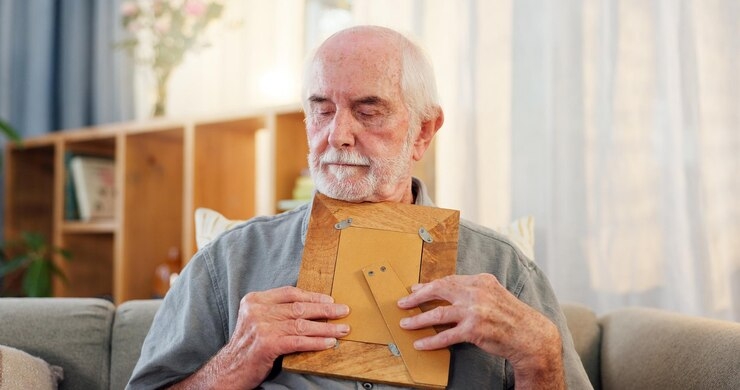
How Do Memories Impact Our Lives?
Memories deeply impact our lives in various ways, shaping our identities, influencing our decisions, and providing the foundation for learning and personal growth. Here's a thorough explanation of how memories impact our lives:
1. Identity and Self-Awareness
Memories help to shape our unique identities by preserving our life stories. Our memories of past experiences, relationships, and significant events help define our identity, shaping our values, beliefs, and perspectives, giving us a sense of continuity and self-awareness.
2. Learning and Adaptation
Memories enable us to acquire new skills and knowledge by facilitating learning and adaptability. We use the lessons we've learned from our mistakes and accomplishments to solve issues and make better decisions in the future. For example, memories of falling off a bike when we were young help us learn how to balance and ride a bike safely.
3. Emotional Well-Being
Emotional well-being and memories are closely related. Positive memories, such as moments of joy, achievements, love, and connection, contribute to happiness and a sense of accomplishment. Conversely, negative memories can lead to anxiety, sadness, and even trauma. Effective coping strategies involve managing and processing these memories.
4. Relationships and Social Bonds
Our relationships are built on our memories, enabling us to establish meaningful connections with others. Recalling common experiences, emotions, and significant moments with close ones creates a feeling of unity and fortifies our social bonds.
5. Personal Growth and Development
Memories are essential for personal development because they enable us to reflect on both positive and negative past experiences, acquire knowledge, learn from our mistakes, and set goals for the future. Retrospection and self-improvement are processes based on memory.
6. Communication and Storytelling
Memories enable us to convey our experiences and share stories. Therefore, storytelling is essential for transferring knowledge, wisdom, and culture. Therefore, narratives and information transmission both depend on our capacity to recall and keep events.
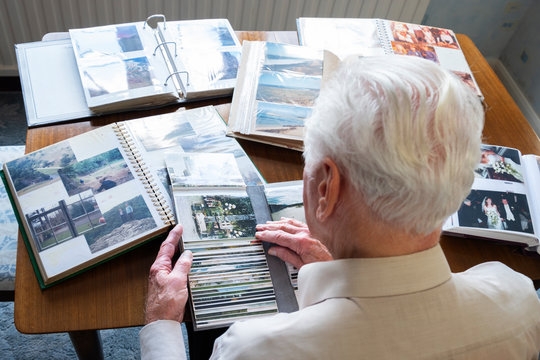
Do Memories Only Revolve Around Trips and Journeys?
Memories can be formed and associated with various activities, events, and moments; they are not restricted to trips and travels. Rather, they encompass many experiences and aspects of our lives. Here's a thorough explanation of how memories transcend trips and travels:
1. Daily Life
Memories are constantly created in our daily activities, including routine tasks, interactions with friends and family, fleeting moments of laughter, and even mundane aspects of life. Daily memories shape our perception of the world and ourselves.
2. Learning and Education
Since memory is a prerequisite for learning knowledge, skills, and information, memories are critical to the learning process. Also, this is true for formal education, as students retain knowledge from courses, ideas, and experiences from the school year.
3. Hobbies and Interests
Interests and hobbies help to create memories. For example, a passionate gardener may have memories of caring for their garden, watching plants flourish, and celebrating bumper harvests, all of which add to a feeling of fulfilment.
4. Personal Achievements and Challenges
Memories of successful personal endeavours, like finishing a difficult project, achieving a fitness goal, or overcoming adversity, serve as inspiration for future endeavours by instilling a sense of resilience and success.
5. Cultural and Social Experiences
Memories extend to cultural and social experiences, including memories of cultural events, festivals, volunteer work, and community participation. This memory kind supports a person's cultural identity and sense of belonging.
6. Creativity and Art
Whether through writing, music, painting, or other artistic expression, creative pursuits produce memories associated with the creative process. The artist's inspiration and journey are reflected in these memories.
How Do Sad Memories Impact the Human Psyche?
Sad memories have a profound impact on people's mental and emotional health as well as their general life perspective. Here's a thorough explanation of how depressing memories impact people's mental health:
1. Emotional Distress
Sad memories are often associated with negative emotions such as sadness, grief, regret, or guilt, which significantly impact the psyche. This leads to emotional distress and heaviness or sorrowful emotions.
2. Trauma and Post-Traumatic Stress
Some sad memories can be painful, resulting from traumatic experiences such as accidents, violence, or loss. Painful memories can lead to post-traumatic stress disorder (PTSD), which can have a profound impact on a person's mental and emotional well-being and cause nightmares and recurrent distress.
3. Mood and Happiness Impact
A person's general mood and sense of happiness are impacted by prolonged exposure to painful memories, which may result in chronic melancholy, depression, or a propensity to see the world negatively. Additionally, such emotional states can erode one's sense of well-being.
4. Impact on Self-Respect and Self-Esteem
Sad memories can negatively affect self-respect and self-esteem, especially those related to personal failures or past mistakes. People may struggle with feelings of inadequacy or self-blame, making them feel unworthy.
5. Relationship Dynamics
Sad memories from previous relationships or experiences can impact future relationship dynamics, potentially leading to trust issues, emotional barriers, or difficulties in forming new bonds out of fear of feeling the same kind of sadness again.
6. Physical Health Effects
Long-term distress brought on by painful memories can manifest as physical health issues like sleep disorders, elevated stress, or even compromised immune systems. Emotional disturbances have observable physical effects because of the mind-body connection.

How Do Human Experiences Affect Their Mindset?
Personal experiences significantly impact an individual's mindset, shaping their perception, information processing, and decision-making. Here's a thorough explanation of how experiences affect thinking style:
1. Perspective and Worldview
A person's perspective and worldview are broadened by experiences, particularly those that are meaningful and varied. People develop a more inclusive and open mindset when exposed to various cultures, backgrounds, and circumstances, which encourages them to consider different viewpoints. As a result, thinking becomes more thorough and sympathetic.
2. Problem-Solving Skills
Experiences can improve one's capacity for analysis and critical thought, especially when they involve challenges and problem-solving. Dealing with complex situations and finding solutions leads to a more systematic and logical thinking style.
3. Confirmation Bias
Experiences can also result in confirmation bias. People may have a more rigid thinking style if their experiences consistently support a particular belief or viewpoint. This is because they may be more likely to filter information to support their current opinions.
4. Risk Tolerance
A person's capacity to tolerate risk can be influenced by their experiences, particularly those that involve failure or risk. Those who have successfully taken calculated risks might grow to think more adventurously and entrepreneurially, while those who fail might grow more risk-averse.
5. Learning Style
People's learning styles are shaped by their experiences. While unfavourable experiences can cause aversion to particular subjects or learning environments, positive educational experiences can lead to proactive and self-directed learning approaches.
6. Adaptability and Resilience
Adaptability and resilience can be developed through hardship and challenges. People who have experienced hardships typically acquire a more adaptable, problem-solving way of thinking that helps them to handle future obstacles.
In Conclusion
Generally, memories help us document our past, build our future, learn from our mistakes and successes, and play a fundamental role in developing societies and cultures.




Add comment