



Body language is one of the most important tools for understanding people and learning about their thoughts and emotions.
How to Read Body Language
Reading body language is an acquired skill that can be learned and developed. Here are some tips for reading body language:
1. Observe the Context
Body language can convey different meanings depending on the situation, so it's critical to understand the context in which it's used.
2. Observe the Entire Body
Do not focus on just one body part; observe the entire body to understand the message fully.
3. Look for Patterns
Look for patterns in body language, as they may reveal underlying thoughts or emotions.
4. Listen to Your Intuition
Use your intuition to read body language; don't rely only on logical interpretations.
Some Common Body Language Cues
Here are some common body language cues:
1. Visual Contact
Expressing interest and attention, visual contact is one of the most significant types of body language. For example, if they keep eye contact with you, it indicates that someone is interested in what you are saying.
2. Facial Expressions
Facial expressions are one of the most important body language forms, expressing various emotions. For example, happiness is indicated by a smile.
3. Body Movements
Body movements include a variety of gestures, such as body posture, hand and foot movements, and eye movements. For example, if someone leans forward, they are interested in what you are saying.
4. Voice Tone
Voice tone can convey various emotions, making it a crucial communication component. For example, speaking loudly indicates enthusiasm.
Reading Body Language Importance
Reading others' body language is an important skill that helps us understand and bond with them. It helps us in the following ways:
1. Recognizing Others' Emotions
Even when people don't verbally communicate their feelings, we can still infer their emotions from their body language.
2. Establishing Solid Relationships
Reading body language helps us build strong relationships with others by better understanding them.
3. Influencing Others
We can influence others' thoughts and behaviors by using our ability to read their body language.
Facial Expressions' Meanings in Body Language
Facial expressions are one of the most important forms of body language, expressing various emotions, such as happiness, sadness, anger, and fear. Here are some common facial expression cues:
1. Happiness
Wide-open eyes, wrinkles around the eyes, and lifted mouth corners are characteristics of happy facial expressions.
2. Sadness
Dark circles beneath the eyes, wrinkles around the eyes, and downturned mouth corners are all signs of a sad facial expression.
3. Anger
Raised eyebrows, tense muscles surrounding the eyes, and wrinkles between the eyebrows are characteristics of angry facial expressions.
4. Fear
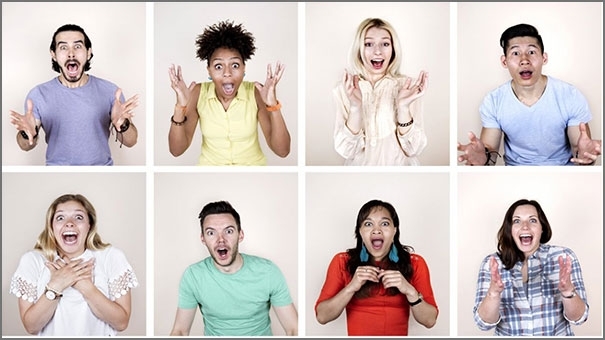
Wide eyes, an open mouth, and raised eyebrows indicate fearful facial expressions.
In addition to these basic emotions, facial expressions can be used to express various other emotions and thoughts, such as:
5. Interest
Leaning forward, making gestures, and maintaining eye contact are ways that someone shows interest.
6. Rejection
Shaking one's head and averting one's gaze are signs of rejection.
7. Control
A person expresses control by standing in an open and direct posture, raising their chin, and speaking loudly.
8. Weakness
A person expresses weakness by sitting in a closed posture, lowering their head, and speaking softly.
Hand Gestures Meanings in Body Language
Hands are a significant body language component because they can express various emotions and thoughts, including approval, rejection, control, and interest.
Here are some important hand gestures in body language:
- Pointing Index Finger Upwards: This gesture indicates self-confidence and control.
- Pointing Index Finger Downwards: This gesture indicates rejection or disagreement.
- Head Scratching: This gesture indicates tension or discomfort.
- Nail Biting: This gesture indicates anxiety or stress.
- Hand Pointing Towards Someone: This gesture indicates focus or interest.
- Handshake: A firm handshake indicates trust and friendliness, while a weak handshake indicates a lack of trust or discomfort.
- Hands in Pockets: This indicates a lack of self-confidence or a desire to hide something.
- Crossed Arms: This gesture indicates discomfort or rejection.
- Hands on Hips: This indicates self-confidence or determination.
- Hands on Chest: This indicates comfort or confidence.
- Hands Behind the Head: This indicates relaxation or feeling powerful.
Some important examples of hand gestures include:
- Politicians use hand gestures to express self-confidence and control.
- Motivational speakers use hand gestures to express enthusiasm and inspiration.
- Marketers use hand gestures to promote their products and services.
Eye Cues Meanings in Body Language
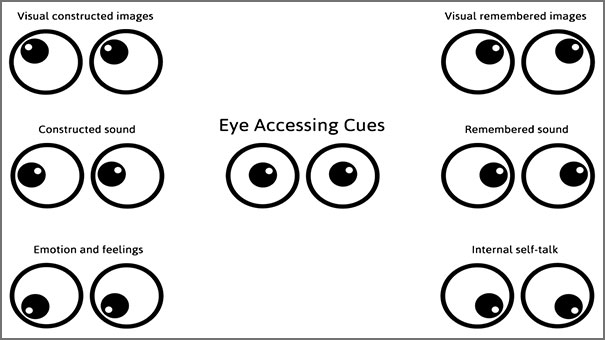
Eyes can express a wide range of emotions and thoughts, including interest, attention, rejection, control, and dominance, which makes them a crucial component of body language.
Here are some important eye cues in body language:
- Eye Contact: Eye contact is one of the most crucial nonverbal communication techniques for expressing interest and attention.
- Friendly Gazes: Friendly gazes indicate positive emotions, such as happiness, interest, and love.
- Rejection Gazes: Rejection gazes indicate negative emotions, such as disinterest or rejection.
- Control Gazes: Control gazes indicate a desire for dominance and control.
- Deceptive Gazes: Deceptive gazes indicate an attempt to lie or conceal something.
- Eye Blinking: When someone is tense or uncomfortable, they will blink quickly.
- Pupil Size: A pupil's size increases when feeling interested or happy and contracts when feeling fear or tension.
- Avoiding Eye Contact: Avoiding eye contact may indicate disinterest, shyness, or guilt.
- Eye Alignment: Eye alignment may indicate sincerity or attentiveness.
- Staring: Staring may indicate challenge, aggression, or anger.
Lip Gestures Meanings in Body Language
In addition to spoken words, lips can convey various visual cues through body language. The following are a few crucial lip-gestures in body language:
- Smiling: A smile conveys joy and happiness.
- Lip-Biting: This conveys stress or nervousness
- Mouth Covering: This may indicate a desire to hide a person's reaction or not express their true emotions.
- Pursed Lips: They convey distaste, rejection, or mistrust.
- Mouth Opening: Opening the mouth conveys surprise, interest, or rejection.
- Tongue Biting: Tongue biting may indicate tension, anxiety, or regret.
- Lip-Licking: Lip licking may indicate dryness, attraction, or enjoyment.
Gestures in Body Language
Gestures are body movements used for non-verbal communication and can be universal or cultural. Cultural gestures are used in a specific culture only, while universal ones are used in all cultures. Human communication relies heavily on gestures, which can express a variety of emotions and thoughts. Here are some crucial body language gestures:
- Hand on Heart: This gesture indicates love or emotion.
- Thumbs Up: This gesture indicates approval or appreciation.
- Head Nodding: This gesture indicates agreement or rejection.
- Glancing at the Watch: This gesture indicates a desire to cut the discussion short.
- Turning the Body Away: This gesture indicates disinterest or rejection.
- Hand on the Chin: This gesture may indicate thinking or doubt.
- Hand on the Ear: This gesture may indicate listening with interest or a lack of understanding.
- Eyebrow Raise: This gesture may indicate surprise or doubt.
- Suppressing Laughter: This gesture may indicate dissatisfaction or discontent.
- Head Scratching: This gesture may indicate tension or discomfort.
Body Postures Meanings
Body postures are another way of non-verbal communication. Here are some important body postures in body language:
- Standing Upright: This posture indicates self-confidence and control.
- Leaning Forward: This posture indicates a lack of confidence or discomfort.
- Open Arms: This posture indicates openness and welcome.
- Arms Crossed Over the Chest: This posture indicates distrust or defensiveness.
- Leaning Forward: This posture indicates interest or curiosity.
- Leaning Backward: This posture indicates disinterest or indifference.
- Facing Position: This posture indicates interest or curiosity.
- Bowing Posture: This posture indicates respect or submission.
- Crossed Legs Posture: This posture indicates tension or discomfort.
- Relaxed Posture: This posture indicates relaxation or comfort.
In Conclusion
Body language is a powerful tool that can be used to communicate more clearly and effectively. Understanding others' body language can help you communicate more effectively and gain a deeper understanding of them.
However, it is important to remember that body language is just one tool for communication; it cannot be used separately from words. Rather, it should be used alongside words to create more thorough and efficient communication.



Add comment