


Note: This article is taken from the blog of Mary Sauer, in which she tells us about the effect of journaling on changing the way of thinking.
It was locked with a cheap gold padlock and a key I wore around my neck, and if you opened it, you'd find exactly what you'd expect: quiet days recounted in minute detail, confessions of my first crushes, and feelings of frustration because of my parents and siblings.
Journaling has been a habit I've picked up for the past two decades. But it has evolved so much, and even though my writing still has occasional tantrums, my journal has actually become a tool in my life and work as an adult. I've been able to use it to make adjustments to the way I think and ultimately changing the way I act, and changing the results of my days too.
Why do I keep a diary?
Writing in my journal as a teenager was a way for me to test theories about myself and the world around me, and it was a safe space to explore what I felt and what that meant to me.
My journal today still serves a similar purpose; When I use it to take a closer look at how I feel on a particular day or in that present moment, I can also use it to write about how I can improve the way I think, and through this safe space; That is, with my own blank paper, I can ask myself tough questions, and explore the truth of the life I live without fear.
How we think ultimately affects how we act, and getting to the bottom of the truth about how we think can help us change our beliefs and take action to make important changes in our lives. This habit has helped me personally to be more courageous in my work as a writer, and more mindful in my life as a parent and wife and to take deliberate actions to improve relationships with my friends.
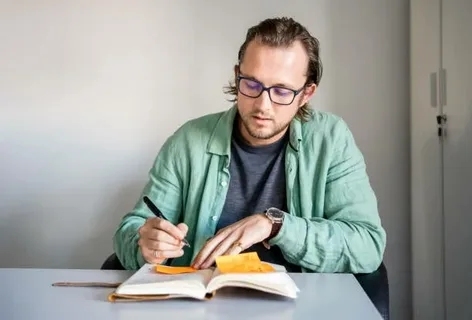
Getting started
A lot of changing my mindset is about honestly exploring my anxieties and fears. If I wasn't careful and conscious, I would have pursued my life and work out of fear. If I had gone on with my life without taking the time to think and reflect, I wouldn't have noticed how my mind controls my decision-making.
This is why I journal regularly, and take extra time to write when I notice that I am not feeling well. It is a very simple habit; I usually start by putting my phone on silent mode, somewhere far from me and taking a few quiet moments to breathe and think. Silence is hard to find these days; So don't be surprised if that simple act is all it takes to start sparking your thoughts.
Once I enjoy the silence, I begin to write freely what is on my mind, answering questions such as: How am I feeling today? What worries me about my work? I pay close attention to how my body feels while writing.
Are there certain topics that make me nervous or get my heart rate up? Anything that might cause me extra anxiety is probably a way of thinking that I need to explore. If I notice a particular thought or emotion that needs a little extra attention, I'll focus on writing about that just for a few minutes, and here I'll explore the "why" behind what I'm feeling.
For example, if I was worried about the instability of my freelance business, it wouldn't take me long to identify the cause. I've lost my job in the past and I've seen some of my friends struggle too; So acknowledging my fear and the reason behind it is an important first step when I journal to change the way I think.
Next Steps: Change the way you think
Just being honest about how I feel frees me up to think differently sometimes, and that's especially true when my fear is irrational if I'm feeling anxious. Because I'm not, say, a good parent, wife, or friend, sometimes putting that worry down on paper is enough to remind me how untrue that belief is.
But other times, the fears remain, such as my fears about being freelance, there are fears that have facts behind them, and it is possible that the fear of this thing has been with me for so long that it takes effort to move forward.
Here are some of the ways I use writing to change the way I think and to think more positively about my work and my relationships:
1. Discover the truth
I write about all the reasons for my fears, which means I take the time to be honest about the times when I believed my fears and life and my work went exactly as I feared them, and about all the times when my fears were not believed and were completely unjustified.
Positive thinking is not about believing life will be the same. perfect; It's about recognizing that I have the skills to deal with life even when things don't go as I hoped.

2. Discover the consequences
What does working out of fear mean for my life? If I continue to allow my way of thinking to stop me from taking action, what are the consequences? It may be true that my way of thinking protects me from risk, but it is also true that living my life risk-free will prevent me from finding success and fully integrating with the world around me.
3. Imagine the alternative
There are no risks when I write to myself, so I take the time to explore what might happen if I wasn't given this particular fear, what might my life look like? This is when I dream big and imagine the best scenarios for the future, and this is an exercise that fosters a strong emotional connection to my new way of thinking and drives me to take action.
4. Taking measures
Once I control my thinking, I know that the next step is to take action, and for me, it is important to decide in advance how I will act when I come across a situation that raises my fears. Changing the way I respond is an opportunity to find evidence that the alternative I imagine is feasible.
Contributing new ideas regularly is a great way to demonstrate that sometimes my new ideas will be accepted and, when not, that I have the courage to move past rejection.
Although I don't end every journaling session this way, I often try to end it by setting a small intention for how I will act in the future. It's a simple one-sentence statement that encourages me to be brave enough to live the life I want to live.
In conclusion
I feel more in control of my life when I journal and think more positively about the future. It's not always easy to find the time, and it's not always an easy process. But I am always grateful for the way change affects the way I think about my days.



Add comment