


What do you want to achieve but could not achieve it? Do you want to write a book? Or lose weight? Or do exercise? Or get up early? Or reduce the use of social media? That must be difficult to achieve. Fortunately, you can be more organized - no matter who you are and what you want to achieve - you can take control of yourself and develop self-discipline.
In this article, we will learn about self-discipline and learn how to achieve it, and we will offer practical strategies to improve your self-discipline and to help you have an appropriate mindset.
What is self-discipline?
Self-discipline is the ability to achieve your goals, no matter how you feel physically or emotionally. It is important to note that self-discipline is moving toward your ultimate goals, which means resisting short-term desires and goals.
When you have self-discipline, you can do things that get you where you want to go, and you will resist temptations and distractions. In the end, discipline and self-control are about the long-term vision. You will be able to discern what is right in front of you on your way to your final destination, you will not be distracted by trivial matters, and you will become more concerned with what benefits you in it all.
As writer Jim Rohn puts it: “Discipline is the bridge between goals and achievement.” Writer E.M. Gray says in this regard: "The successful person is accustomed to doing things that the failure does not want to do. He should not necessarily want to do them either, but his unwillingness to do them is secondary to the strength of his goals."
Simply, self-discipline allows you to resist anything to achieve your ultimate goals. Building self-discipline allows you to become the person you want to be and build the life you aspire to live.
Why should you build self-discipline?
Why should you improve your self-discipline? You might be thinking: All this talk of self-discipline sounds tough and unflattering, and I'm not sure I want that. While this point of view is understandable, here's what you need to know:
Self-discipline equals freedom
When you are disciplined, you can achieve things that satisfy you. You can get ahead by trying new things instead of adopting bad habits and wasting time on social media. Also, you can lose weight instead of getting addicted to eating ice cream every day. You can also start trying an app that helps you lose weight instead of spending time watching movies.
Studies have shown that talent alone is not sufficient to achieve goals. You also need willpower, i.e. "self-discipline," to stand up to challenges. As psychologist Angela Duckworth points out: “Willed people see achievement as a marathon. Grit is their positive trait. However, disappointment and boredom discourage others, make them change course and give up so that strong-willed people remain steadfast in their approach.”
In other words, successful people have the ability and willpower to persevere in achieving their goals for a long time, even in the face of difficulties.
Having self-discipline doesn't mean you don't enjoy what's around you. We are all human at the end of the day, we all find ice cream delicious, we enjoy watching great movies, and we all love to spend time checking social media.
Self-discipline allows you to enjoy the things that keep you on the path to achieving your goals and desires, like eating an ice cream box at the end of the week as a reward for working out and watching movies after following the steps of this life-changing app. Discipline is not the opposite of pleasure, but it helps you enjoy things in healthy and productive ways.
Additional benefits of Self-Discipline
If what we mentioned isn’t enough, self-discipline has been shown to bring other benefits, including:
- Alleviation of anxiety.
- Improving physical health.
- Improving relationships.
- Increasing flexibility.
- Increasing happiness levels.
Self-discipline and success go hand in hand
If you look at the most accomplished people worldwide, you will see that most of them rely on self-discipline to achieve their goals, whatever they are. There are some rare exceptions, but such cases are rare and exceptional.
Businessman Warren Buffet says, “We don't have to be smarter than others, but we have to be more organized than they are.” Entrepreneur Harvey Mackay says, "It doesn't matter whether you seek success in business, sports, art, or life in general, the bridge between wish and achievement is discipline."
The motivational speaker Brian Tracy says, “Your ability to discipline yourself to set your goals and work toward them daily will guarantee your success more than any other factor.”If you want to achieve great things, you must be able to control yourself, avoid distractions and temptations and strive with all your strength toward your significant goal.
How do you improve your self-discipline?
Since we know about self-discipline and its importance, it's time to talk about specific tips to become more disciplined.
1. Do not associate discipline with self-esteem
One of the main reasons why people find self-discipline difficult is that they associate it with self-esteem. In other words, they think that their failure to self-discipline and their inability to resist temptations makes them bad people in one way or another.
But, in most cases, discipline and morality are not related. Watching too many movies will not make you a bad person. You are no different from others, and you will go through good and bad conditions.
If you think that lack of discipline has something to do with self-worth, you will end up in a downward spiral of disappointment. You will be ashamed that you spent time on social media instead of working on your project.
However, will that give you more motivation to work? No, it will make you more addicted to social media to distract you from feeling bad. So, the first step in improving your self-discipline is to separate it from your value. You are valuable, no matter what you achieve.
2. Set meaningful goals
Self-discipline helps you achieve your goals if those goals carry meaning and principles. If you set a goal because you feel you have to, you will have less motivation to go after it. For example, let's say you set a goal of losing 5 kilos because you feel you have to lose weight.
The motivation behind this goal will be abstract and not compelling enough, and it won't provide you with a lot of willpower, in exchange for the temptation of snacks, or increase your motivation to exercise. On the other hand, the goal of losing 5 kilograms in order to have the energy to train your child for soccer is encouraging and more convincing.
You can see the benefits when there is a strong reason behind the goal. You'll get to exercise and eat healthy, and the likelihood of you succeeding is stronger when you visualize the results. Indeed, it is difficult to be disciplined and to have the willpower for something that you do not care much about. So, start by setting a meaningful goal, and look for encouraging and convincing motivation.
Don't settle for abstract and vague goals, but decide what you want and why you want it. When you are tempted to work against your goal, imagine the results; imagine exactly what it will be like when you achieve that goal. This will strengthen your resolve.
3. Know what will motivate your self-discipline
Each of us has temptations that are difficult for us to resist, which are things to check whether we will succeed in practicing self-discipline. Maybe it's tempting to constantly check your email and social media, maybe you find it hard to ignore the snooze alarm button, or maybe it's hard for you to resist unhealthy food, even when you're trying to lose some weight.
Knowing what triggers our self-discipline helps us plan how to deal with it, and also helps us move away from those things that spoil it and make it difficult to achieve the goals we are working toward.

4. Organize your surroundings with self-discipline
Your surroundings can either enhance or weaken your self-discipline. How many times have you been working on a task, and you heard a notification sound from your phone? Those are the moments that require self-discipline not to check your phone.
In any case, if you turn off your phone or turn off notifications, you will reduce temptations, and it will take less self-discipline to stay focused on your tasks. This is a simple example of organizing your surroundings.
How do you improve your surroundings?
There are three ways you can improve your surroundings to support your self-discipline:
- Minimize the temptations and distractions around you.
- Put obstacles between you and those temptations.
- Make good habits easy.
The first pronounced strategy is to remove temptations as much as possible. If you want to use less social media, you can remove apps from your phone. If you don't want to eat unhealthy snacks, don't bring them home. If you want to focus on your work, close your office door so you don't hear people talking in the corridor.
In the second strategy, your goal will be to increase the amount of effort it takes to engage in unproductive habits. Let's say you want to reduce the time you spend watching movies and series, so every time you finish watching, log out of the movie platform so that it takes time to log into your account next time. This will add a little effort to the viewing process and give you extra time to decide if you want to watch.
As for the third strategy, it is the opposite of the second, as your goal will be to reduce the effort associated with good habits as much as possible. For example, it is expected to see writers stop writing before they finish a sentence to know exactly what they are going to do the next day. This easy habit reduces the worry of not knowing what to write in the next session, it makes getting started easier.
Provide as many solutions as possible. To reduce the stress of good habits, arrange your gym clothes the night before, put healthy snacks in easy-to-reach places, close all applications on your computer, and arrange where you will work so that it is ready the next morning. These simple actions will motivate you toward self-discipline daily.
5.Think flexibly
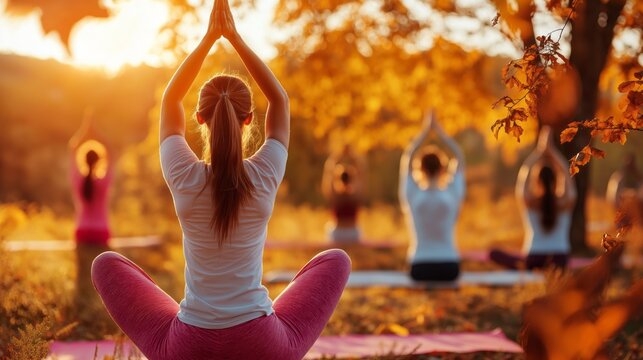
One of the reasons a person fails is to take massive measures. If you want to practice meditation, for example, which is a good goal, you start practicing meditation half an hour a day, which is difficult for someone who has not practiced meditation before, as your mind will begin to wander and jump from one idea to another in the first minutes.
The discipline that must be achieved will require 10 minutes, so you’ll get discouraged and just let it go. It will surprise you to realize that success comes from small things.
Self-discipline training
It is important to realize that discipline and self-control work like muscles, as they strengthen with a lot of exercise. If you do not exercise well, you cannot carry 20 kilograms in the gym because you have to be trained to do that. The same principle applies to self-discipline. If you start a new habit, start your journey gently.
American writer James Clear, in his book Atomic Habits, recommends applying the “two-minute rule” whenever you start a new habit. Whatever you're trying to do, it should take two minutes. Instead of meditating for half an hour, meditate for two minutes.
Instead of trying to read for an entire hour before bed, read one page. Instead of writing 10 pages, write one passage, and instead of walking 10,000 steps, make it 100.
You can choose what to do next. You can continue meditating or stop. The important thing is to persevere in it day after day, and you'll find that starting with small steps makes it easier to follow through.
In fact, applying self-discipline to develop good habits is like pushing a car. The hardest part is in the beginning, and it becomes smooth afterward. In other words, it is easier to keep doing something than to start doing it. So, take easy goals, and make getting started as easy as possible.
As James Clear says in his book: “Once you start, the first two minutes easily become a ritual for a larger routine. This is not just a trick to make those habits easier, but the perfect way to master different skills. The more organized your initiation process is, the easier it will be to provide the focus needed to do great things.”
6. Gradually accustom yourself to the lack of rest
One of the reasons we find self-discipline difficult is our flight from discomfort. When we encounter anything uncomfortable, we escape the situation by various means. But the truth is doing anything significant requires letting yourself feel uncomfortable sometimes.
If you're programming an app, there will be moments when things don't go right, you get frustrated, and you feel like giving up, quitting, and doing something easier. But before you stop, get a little uncomfortable and keep it up for a while.
Do one more thing: train yourself to hold on a little longer when you feel the urge to quit. When you do this, your tolerance for discomfort will increase, your self-discipline and willpower will strengthen, and you will be able to keep going more and resist the temptation to give up when conditions get tough.
7. Don't wait until you like it
If you want to be successful, you will need the ability to take action, even if you don't want to. Athletes train day after day, regardless of their motivation. Writers set a daily goal for the amount they write, and they achieve that goal week after week.
There will be times when you don't feel motivated to do what needs to be done to achieve a certain goal. At these times, you will need the ability to take the next step even if you don't want to.
8. Join a support group
Much of our behavior depends on social motivation, and every group we associate with expects certain things from us. At work, you are expected to dress and act in certain ways. When you go to the gym, you wear tracksuits instead of a suit and tie because that's what everyone around you is doing. Joining a group of people who are pursuing the same goals as you gives a huge boost to your willpower and self-discipline.
When you are among a group of people who behave in a certain way, you will tend to behave in a similar way in order to achieve what the group expects of you because there will be external accountability to help you keep moving toward your important goal. So, what is a group? Or what community can you join that will push you toward where you want to be and improve your self-discipline?
If you want to read more books, join a writers club, and if you want to expand your business, join like-minded entrepreneurs. If you want to get fit and exercise more, join a running club. And if you're having trouble finding a local community to join, you can find one online. You can connect between Facebook groups and LinkedIn with people who can push you toward success.
9. Embrace the rituals
Rituals are actions that you do over and over without much thought or effort. It's a ritual to drink coffee every morning, to check your phone right after you wake up, and to brush your teeth at night is a ritual. They are all tasks that do not require a lot of self-discipline.
Creating rituals about important and difficult matters makes those tasks easier to do. For example, if you want to work two hours every morning before you check your email or social media, you can create a ritual to do these things:
- Drink a cup of tea.
- 10 minutes of meditation practice.
- Play music that helps you focus.
- Get started.
The power of rituals
The more you practice the ritual, the easier it will be for you to get used to the work. There will be less internal resistance because rituals train your mind and body. This indicates that it is time to start working and that other things, such as social media, should not be used.
The power of rituals is that they reduce the amount of self-discipline required to perform difficult tasks. So, what rituals can you create that will support self-discipline and help you achieve your biggest goals?
Do you want to improve your health? Create a workout ritual that gets you in the right space for a run or hit the gym. Do you want to improve your knowledge on a particular topic? Create a reading habit or study that you follow every day. Do you want to learn a specific skill? Develop rituals that you practice during the week.
10. Organize your energy
There is a tangible relationship between energy levels and self-discipline. When you are tired, it is very difficult to exercise self-discipline and make decisions that will take you toward your ultimate goals. When you're under pressure, working on this important project can seem almost impossible.
Cooking a healthy meal is much less attractive than eating fast food, and watching movies is more attractive than trying to write a book or read a novel. In view of this, it is essential to manage your energy if you wish to maintain high reserves of self-discipline and willpower.
11. Take care of your body and mind
If you want to improve your energy management, it must include getting enough sleep every night. You cannot perform your tasks to the fullest and achieve self-discipline if you do not get enough hours of sleep.
So, you should commit to improving the quality of your sleep. You must also manage your energy throughout the day. Your body's energy levels reduce and flow according to your circadian. Every 90-120 minutes, your body goes through a cycle of increased energy followed by a period of fatigue.
In order to be more productive, you need to work in concert with your body's natural rhythms. When your energy levels are high, you should redouble your energy and then give yourself a break when you start to feel exhausted. Attempting to work against these cycles can be counterproductive and bad.
“We can overcome these natural cycles, but only by invoking the fight-or-flight response and flooding our bodies with stress hormones designed to help us deal with emergencies, but the long-term cost will be toxins building up inside us. We can't push too hard for long without crashing,"authors Jim Loehr and Tony Schwartz say in their book The Power of Full Engagement
If you want to be disciplined, do complex tasks when your energy is at its peak, then give yourself some space and time to recover. Don't even try to get energy during the day.
12. Be kind to yourself
Some days will be better than others when it comes to discipline, self-control, willpower, and motivation. Some days, you will build well, and make a tremendous amount of progress in the things that matter to you. Other days, you will waste time on social media or eat junk food late.
Celebrate the good days, and take it easy when you find it hard to persevere. The important thing is not to be wholly disciplined but to keep trying. Get up, try again, and don't stop making progress.
When you are hard on yourself, you will be ashamed, which kills discipline. On the other hand, when you are gentle with yourself, you will realize that you are a human being, and you are bound to go through obstacles and setbacks like any other human being.
In conclusion
Writer Jocko Willink famously said, "Discipline equals freedom," and he's right. When your life is disciplined, you will begin to experience more freedom. Instead of being governed by short-term desires and impulses, you will have the freedom to go after the things you want.
Discipline can take you places you never thought possible, allowing you to build a business, code apps, run a marathon, write, or whatever else you've dreamed of.
If you feel overwhelmed, don't worry. If you start with the easy things and work your way up from them little by little, you will increase your discipline, and this will allow you to do more.




Add comment