



Note: This article is based on the work of psychologist Lucy Hone, who tells us about the three straightforward methods she used to get through her darkest days.
First, let me ask you a few questions:
- Have you ever lost someone you loved?
- Did someone break your heart?
- Have you experienced a horrific divorce or been the victim of infidelity?
- Have you ever been through a natural disaster? Or have you been bullied?
- You lost your job?
- Have you ever had a miscarriage or experienced infertility?
- Finally, have you or someone you love had to deal with mental illness, dementia, some form of physical disability, or suicidal tendencies?
You will most likely answer "yes" to one or more of these questions, and this is the situation for most people. Adversity does not differentiate between people when it hits them, and as long as you are alive, you will have to deal with some difficult times.
She began studying mental flexibility a decade ago at the University of Pennsylvania. It was a wonderful period. Because the professors who trained me had just secured a contract to train a million American soldiers in mental fitness as a supplement to physical fitness, and for someone like me whose main goal in life is to try to take the best scientific findings outside of academia and present them to people for use in their daily lives, my presence at that place and time was very inspiring.
I finished my studies there and returned home to New Zealand to work on my DHL research. I had just started that study when the Christchurch earthquakes hit. So I stopped my research and started helping my community during that terrible time after the earthquake, working with all kinds of organizations, from government departments to construction companies to all kinds of associations. I taught them the ways of thinking and behaving that we know promote resilience, and I thought that was my goal and the only time I was going to use all this research to benefit people.
I was sadly wrong. I faced the real challenge of my life in 2014, when my family and my best friend's family decided to go on a trip, but at the last minute, my beautiful 12-year-old daughter decided to ride in the car with her best friend.
On the way, a speeding car ran past a stop sign and crashed into them, killing them all on the spot. In the blink of an eye, I found myself in the position of the people I was helping. I woke up a completely different person. Instead of being the resilience expert, I became the grieving mother, trying to digest the news as I watched my world tumble around me.
Suddenly, I was the one getting expert advice, and I didn't like what I heard at all.
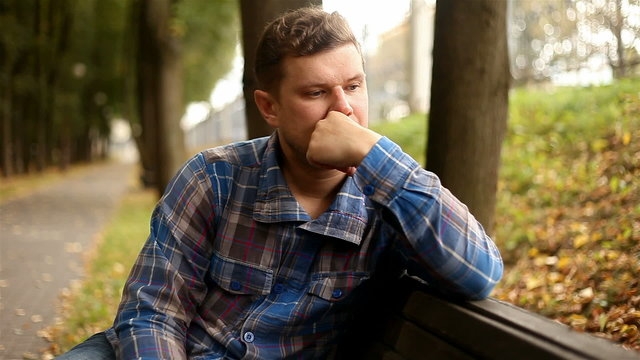
In the days after my daughter's death, my husband and I were told that we were vulnerable to "family estrangement," that we might separate, and that we were at risk of mental illness, and I thought all that news wasn't helpful at all.
The flyers in the clinics described the five stages of grief: Anger, Bargaining, Denial, Depression, and Acceptance. Victim Support Services came to our doorstep and told us we were going to spend the next five years learning to accept this grief. One of those pieces of advice is that we are helpless victims and we can't influence our grief at all.
I didn't need someone telling me how tough it was; I already knew that. I needed hope, and I needed someone to show me the way through all the heartburn, pain, and longing. Most of all, I wanted to practice grief. effective practice.
I decided to turn my back on their advice and instead do a self-experiment. I had done the research on the subject before and had the necessary tools, and I wanted to know how useful they were now in facing this huge challenge that I had to overcome, but I have to admit that I didn't really know at the time whether I succeeded or not.
It is well known that the loss of a parent is the most difficult loss that can be suffered, but after five years, I can tell you that you can rise from adversity and that it is entirely possible to direct yourself to think and act in certain ways that will help you get through difficult times.

Effective strategies for dealing with tragedy and grief
Here are three strategies that saved me during the darkest days of my life that everyone can easily apply:
1. Understand that suffering is a normal part of life
This does not mean that resilient people welcome suffering, but when difficult times come, they know that suffering is part of human existence, and that is why they do not feel that the world is against them alone when calamities strike.
After my baby girl died, I never wondered why it happened to me; in fact, I remember thinking there was nothing weird about it; terrible things happen to me just like everyone else, and this is my life now. I have to accept it and move on.
The real tragedy is that many of us do not know this, as we live in an era when many feel that they deserve to live an ideal life, as if the pictures of an ideal and happy life presented by social media are the normal situation, while the reality is the complete opposite.
2. Choosing to Focus on the Positives
I have found that flexible people assess situations realistically and are usually able to focus on the things they can change and learn to accept the things they cannot, which is an important and learnable skill.
As humans, we are good at noticing threats. It is important that we are wired to think this way as we evolve. When we lived in caves, our ability to focus on the threat looming over us like a predator ensured our survival, but the problem is that we now live in an age where we face all kinds of threats, from unrealistic deadlines and toxic colleagues to mounting bills or just plain stuff.
As simple as someone occupying our parking lot, our brains throughout the day treat each and every one of those situations as a threat to our lives, so we feel stressed throughout the day.
Resilient people have found a way to focus on the good things around them. One day, when I had doubts, I distinctly remember telling myself, "This can't beat you; there's so much to live for; don't lose what you still have while regretting what you've already lost."
In psychology, this is called "seeking benefits." In my new situation, this involved trying to find things to be grateful for. For example, I said to myself, “At least our dear daughter had not died of a terrible illness she had suffered for so long and died suddenly and immediately, sparing both her and us the pain.”
We also received social support from our family and friends, and most of all, we still had two beautiful boys who needed us and deserved to live a life as normal as we could give them. When you're going through a tough time, you may need to remind yourself to be grateful. So we put up a poster in our kitchen that reads, "Accept the Good."
Psychologists use a slightly different formulation when working with the US military. They call it "finding the positive." Find the formulation that works for you, but whatever you do, make an effort to continually notice the good in your world.

3. Determine whether your actions are benefiting or harming you
Ask yourself, “Does what I do benefit me or harm me?” This is a question frequently used in therapy, and it was the first question I asked myself in the days following my daughter’s death, which I used to repeat a lot, for example: “Should I go to The trial and see the driver? Will it help me, or will it hurt me?” For me, the answer was clear. I chose not to be present during the trial, but my husband decided to meet him later.
I would often find myself in the middle of the night looking at old pictures of my child and feeling more and more upset, and at a certain point I would ask myself, “Does this help me or does it hurt me?” I knew I had better put the pictures back and go to bed.
This question can be applied to many different contexts. For example, you might ask yourself, "Is the way I think and act helping or hurting me in trying to get that promotion? To pass this exam? To recover from a heart attack?"
I write a lot about resilience, and I've gotten more positive feedback on this strategy than any other. I've received dozens of letters and emails from people telling me about the huge impact I've had on their lives. By asking yourself if you really need to spend another hour on social media or get into the same old arguments with a family member, you are in charge of your life again, giving you the power to control your decision-making process.
Contrary to what many people think, flexibility is not a fixed or hard quality to have; some people have it and some don't, and in fact, all it takes is a willingness to try basic strategies like these.
There are moments in each of our lives when things take a terrible turn that we never expected and certainly did not want.
That happened to me; it was unimaginably horrible, but if you find yourself in a situation where you think there is no way out, I urge you to try these strategies. Know that suffering is part of life. Don't just focus on the negative. Consider whether the way you think and act helps you or harms you.
I'm not going to pretend that thinking this way is always easy or that it heals the pain, but I've learned over the past five years that it really works, and it's proven that it's possible to live and feel sad at the same time.




Add comment