



"I wrote down my plans for the year, including making the habit of prayer. Ironically, today marks the second half of the year, and I have not accomplished anything of what I intend to do.” "I feel that I have the intention, enthusiasm, and energy to acquire a positive habit, but I lose it a day or two after starting the habit, so how can I maintain my enthusiasm and energy?" "How can I control my Internet addiction? If I quit using the Internet, I think I'll get depressed."
Habits are the most influential elements in our lives; they are the ones that make you a great person or just an ordinary one whose life has no meaning. If you can’t commit to brushing your teeth daily, it means that you are facing a big challenge in your life: commitment and will. You were born to be a strong and free person, not a follower, weak before a smoke, or a site that sells obscenity on the Internet.
We always wish for change and excellence, but we do not take serious steps in line with this desire. We only imagine the ideal life we want without taking any serious actions to turn it into reality.
We look at change-makers, impressed by their achievements, convinced that the main reason for their success is the fabulous momentum of luck in their lives. Hence, we surrender to the victim's mindset taking over, shackling us, and hindering our ambition, and allow feelings of injustice, grumbling, and being very discontent to take control of our lives.
What if I told you that simple steps in your life are enough to make it richer, prettier, and finer? What if I told you, you could reach true bliss through habit? This is what you will learn from this article.
What is habit?
It is a set of behaviors that one performs spontaneously, without any effort; That is, they are behaviors that are etched in the unconscious. Habits arise from the distinctive ability of the human mind, where the mind tends to change repetitive behaviors into skills, experiences, and habits to preserve human energy and directs it toward learning various new skills. The first stage of learning requires a lot of attention and focus.
For example, the child's mind is fully alert while learning to walk, where they spend all their energy learning actions, and then after repeating the same movements over a long period, walking turns into a routine habit that does not require effort, energy, or thinking.

Our Life Between Habits
How many habits have we acquired over the years of our lives without awareness of how these habits are formed and developed until they have become the primary rulers of our actions? How many people believe they will never be able to break a bad habit, allowing it to take full control of their entire lives? How often have we heard the phrase “I can never stop smoking”?
How do habits form?
1. Stimuli
This is the thing that triggers you to start the habit. For example, feelings of boredom and melancholy that lead you to surf the Internet (Internet addiction) or returning home after work that leads you to sleep directly (sleep habit).
2. Routine
It is the behavior associated with the habit, such as watching television after returning from school or exercising daily at 5 p.m.
3. Return
This is the positive state you feel after the habit, such as having fun after smoking or reading a book. Here is the difference between the returns from positive habits and those from negative ones: Negative habits have immediate positive returns (pleasure after a meal of unhealthy fast eating), while positive habits have long-term positive returns (the spiritual and psychological benefits of prayer).
While the negative returns of negative habits appear only after a long period (heart attacks resulting from smoking), the negative returns of positive habits appear after a short period of training (pain resulting from exercise). Since man's nature is to rush, this is why most people tend to acquire negative habits and move away from positivity.

What are the benefits of positive habits, and how to build one?
You often live in a difficult situation between your desire to change and grow and the force that pulls you back and compels you to stay the same without any change or improvement. This is because your life seems to be good that way! But who said that adding one habit will positively affect your entire life or that continuous smoking harms your health? Many smokers do not suffer from any health issues!
Habits affect the course of our lives. The only difference between a successful individual and an unsuccessful one is habits. While an unsuccessful person wastes time surfing the Internet and talking to strangers, a successful one reads a book that expands their perceptions and increases their knowledge.
On the other hand, habits are one of the most magical ways to change life for the better, and to become the best version of yourself, simple steps can make a qualitative leap in your life. You have no idea how the change affects your life after adhering to the habit of reading for an hour a day, for example.
How to build a positive habit?
1. Awareness
First of all, you have to be aware of the usual stages that you will go through during the creation of a positive practice. It is normal for your mind to resist the transition to a positive habit as it is accustomed to a specific situation and wants to stay relaxed.
The resistance phase requires a lot of will and challenge to overcome, as you will feel many harsh and negative emotions. Then the phase of discomfort comes, and you need less will, but you will stay uncomfortable. The last phase is autopilot. Here, the habit turns into a normal behavior that does not require thinking or effort.
2. Return
Make an immediate return on the habit you want to build, such as saying, I will watch a beautiful short film after studying this chapter. Then you have to make a long-term goal, such as writing about the benefits of studying and achieving a high GPA in university.
For example, write the following: I will get great feelings of happiness, satisfaction, and pleasure when I pass the exams with high grades, and this will be my best opportunity to enter the labor market.
3. Focus on commitment, not results
Knowing what matters is the daily commitment to practice the positive habit. The results do not matter; You are building behavior and a lifestyle, not a temporary habit. For example, if you want to build a habit of reading, such as reading 15 pages a day, you have to decide to adhere to the daily habit.
If you feel bored and do not want to read one day, do not give up, but read, and do not care if your reading is without focus or passion; what matters now is to build behavior more than achieving the result, which is to finish reading the book.
If something urgent happens to you that completely prevents you from reading, then write a pledge to read 30 pages the next day so that you build a punishment for yourself and prohibit your mind from underestimating the matter and its importance later.
4. Conditional correlation
We live all of our lives in a state of conditional correlation. You eat fast food when you leave the house, surf the Internet as soon as you get into bed, and light a cigarette when you feel bored or distressed.
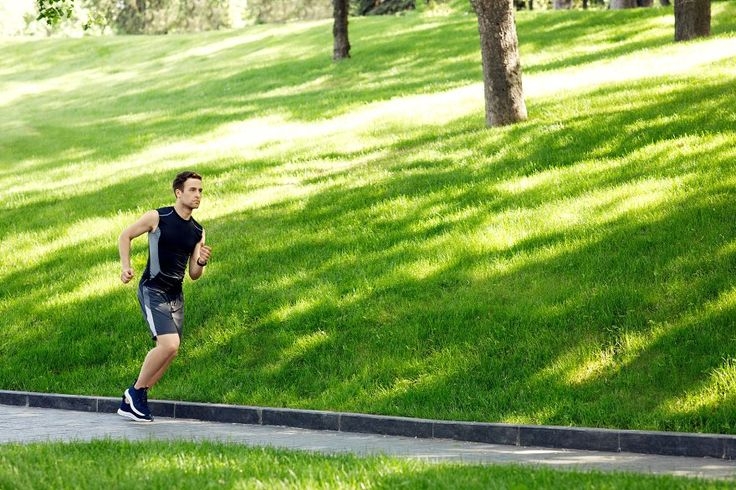
You can use this conditional correlation to create a positive habit for yourself, such as building a conditional correlation between the things you like to do and the new routine you want to build. For example, you can link walking to reading—the habit you want to create—by saying, I will read 15 pages and then go for a walk.
As a result of repeating this correlation, the habit of reading will turn into a positive routine that will bring you the same pleasure as walking.
5. Logic
Write on the paper the consequences of not building the habit you want to adhere to; for example, write the disadvantages of not building the habit of reading, such as “the incapacity of personal development, the lack of creative ideas, and the inability to make logical and realistic judgments.”
6. Visual effects
Use visual effects to stimulate your brain to form a new positive habit, such as wearing a ring that symbolizes the habit of reading to remind you to stick to that habit. Or put the book in a clear place in the house so that it is always available to you.
7. Follow up on the implementation of the habit
Monitor your implementation of the habit by getting a calendar, then recording your commitment to the habit each day while shading the days you made a high commitment. This method encourages you to stick to the habit, as you will try hard to get more shaded days on your calendar.
8. Keep Enthusiasm
Surround yourself with positive people in your life, seeking change and development. Follow the positive channels that motivate you to work, strive, and build a rich and valuable life.
How to break a negative habit?
- First, you should ask yourself, “What is the reason for breaking a bad habit?” and then write down your motives, such as living healthy after quitting smoking.
- Then associate the negative habit you have with something you don't like, such as linking smoking to hearing screaming or putting on annoying music and smoking while listening to it. After repeating this behavior, you will automatically find yourself breaking the smoking habit. Or you can replace the habit of smoking with a positive one that achieves the same return, such as noticing what triggers you to smoke, for instance, feelings of distress and anger. You then take another action when you feel upset and angry, such as going out for a walk, for example, instead of smoking. At first, you will find it very stressful and require a lot of willpower to continue, but with repetition, you can replace smoking with walking, which brings you pleasure and psychological comfort.
- You must commit to quitting the negative habit and maintaining the positive one instead. In the event of a breach of commitment, you must impose self-punishment, such as giving more money than usual to the poor. Don't give up, and go back to practicing the positive habit.
- Write down the consequences of not quitting a negative habit, such as poor health, paling face, loss of appetite, and loss of money if you continue smoking.
- Build an environment that works for you, such as by befriending positive people who don’t have bad habits and browsing sites concerned with developing your life and making you healthier and more mature.
Conclusion
Build strong and positive habits to create a potent and favorable life for yourself. The fundamental difference between an ordinary man and a successful one is habit.




Add comment