



Note: This article is based on the work of the author "MICK," in which he tells us about online calendar applications used to increase productivity and achieve goals.
For example, if you want to start right away, then you should use a simple productivity planner, but if you want to prepare yourself in the morning and do self-reflection exercises in the evening, then a productivity journal is more suitable for you.
For this, I have reviewed different types of productivity planners and notebooks. Since everyone is unique, I added these as well after selecting the finest ones:
- What is the content of each productivity chart?
- What are the features of each?
- Who benefits most from each one?
The 7 best productivity planners
let's start looking for the best productivity planner for you. Here are the 7 best productivity planners:
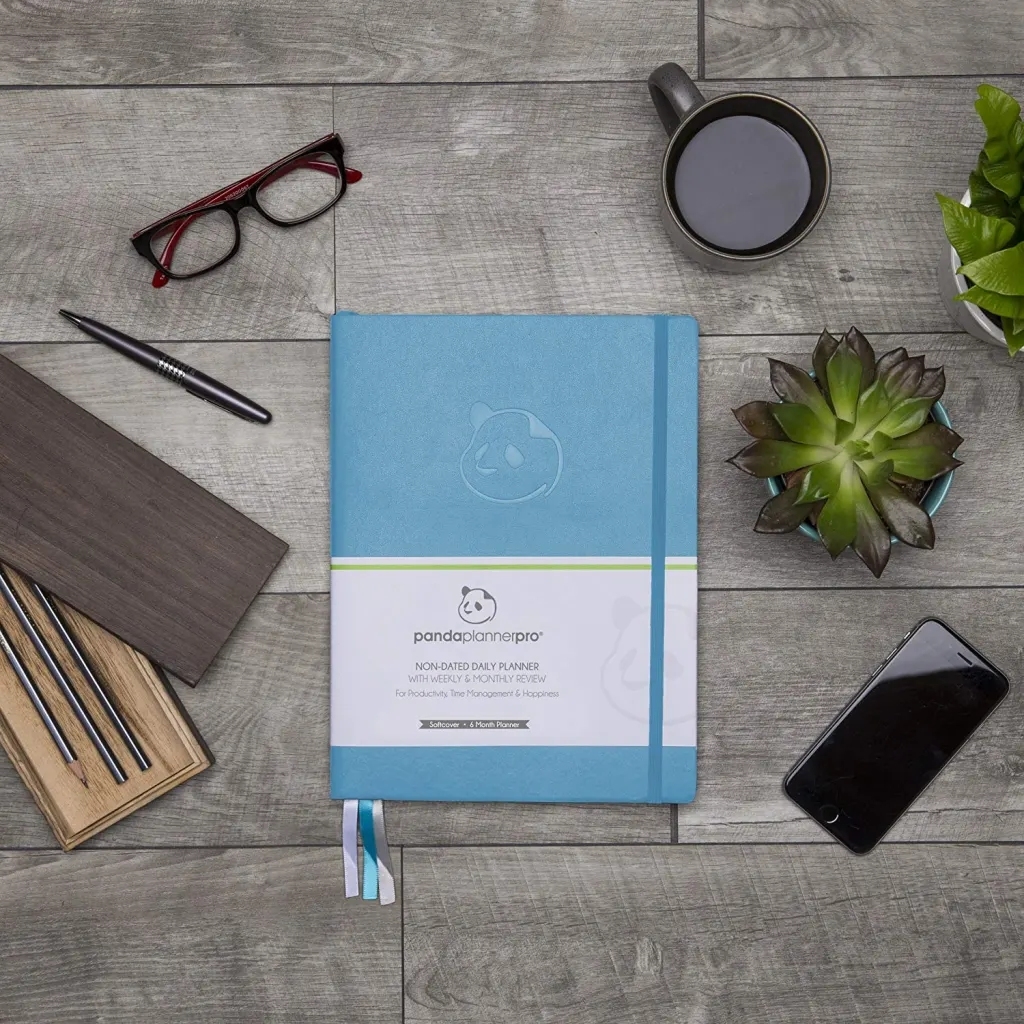
1. Best Productivity Planner, Panda Planner Pro
This productivity chart is the most comprehensive; It includes everything from goal setting to monthly, weekly, and daily spreadsheets.
Monthly schedules include a summary and habits section so you can define your goals and prioritize for the week; a daily planner helps you focus on your tasks and schedule your day; and moreover, all sections stimulate self-reflection so you can learn and grow along the journey of achieving your goal. In other words, this productivity blueprint is comprehensive.
But there is another reason why this is the best productivity planner: The founder of Panda Planner suffered from Lyme disease, and what he needed was a structured approach to productivity and happiness. This productivity planner is the result of his efforts, which he combined with research in positive psychology and neuroscience. So this productivity planner makes you more productive and also helps you feel better.
Panda Planner Pro Productivity Planner Features:
- Improve self-awareness: with different review sections.
- Reduce stress: by organizing your days and thoughts.
- Accomplish important tasks: by setting your priorities each day.
- Feel Positive: A science-based productivity blueprint for feeling good.
I also recommend it for beginners because it's so comprehensive. The reason is that it guides you through your first experience, and that helps you figure out what you like most about using productivity planners. It comes with a special membership subscription that gives you access to additional resources, including the Rich People's Guide to Productivity, and allows you to double your productivity by using this planner.
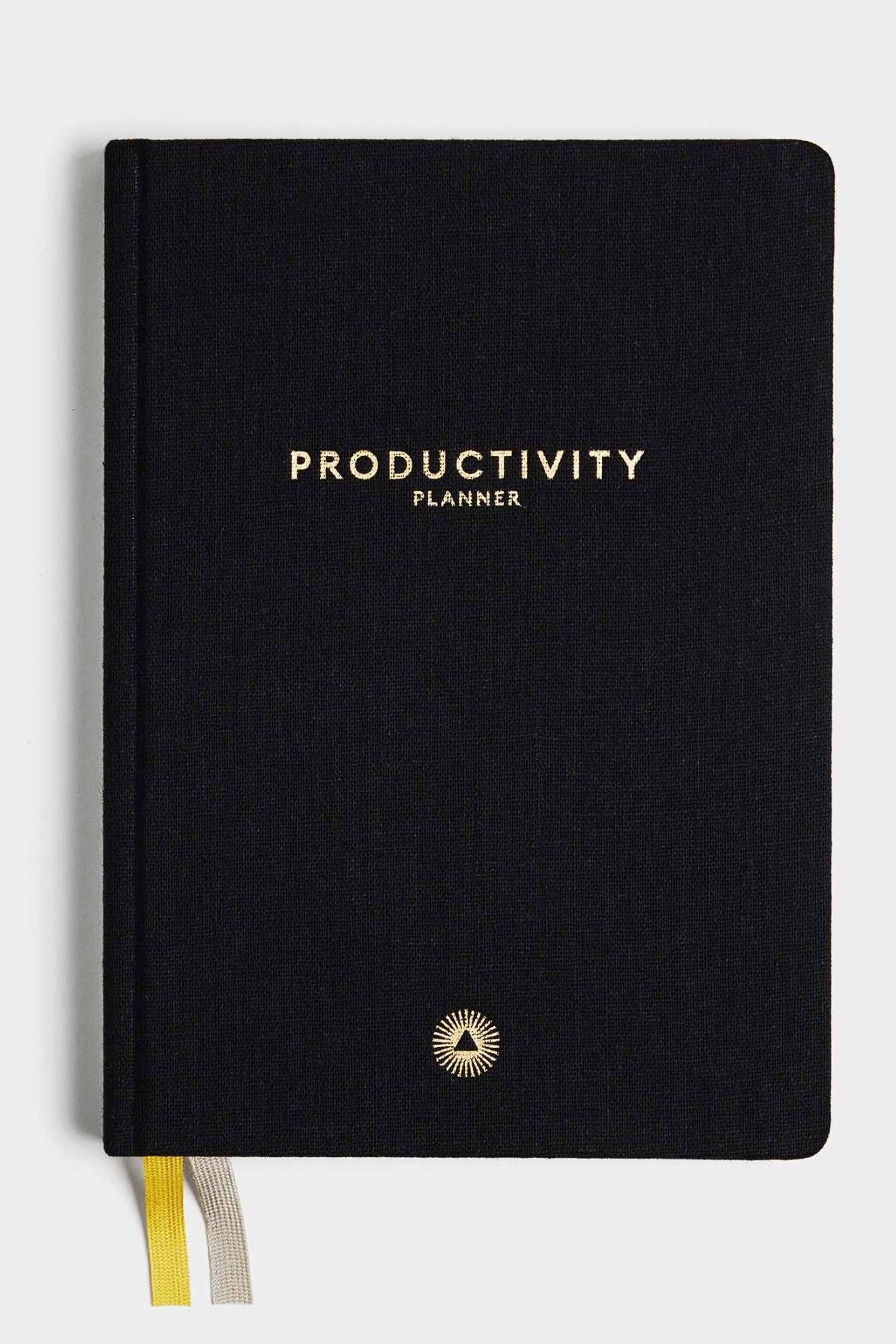
2. The Best Productivity Planner for Prioritization, Productivity Planner
If you are not interested in journaling and want to start working, this is the best productivity tool for you. The main focus of this simple yet effective planner is to prioritize your tasks.
Research is also the basis of this blueprint; more specifically, research into goal setting and productivity principles. Along with the simplicity of this productivity blueprint, it is very effective for improving productivity. Although I keep a journal, if I had to choose a simple blueprint to improve my productivity, I would certainly choose this scheme.
The 5-Minute Diary blog was also created by the makers of Productivity Planner, with support from entrepreneur Tim Ferris.
Features of the Productivity Planner:
- Reduce Burnout: A simple yet effective blueprint for productivity.
- Increase your effectiveness: by prioritizing your tasks each day.
- Develop yourself: with weekly review sections.
The only downside to the planner is that it focuses on working days, so if you want to stay productive over the weekend, you may find the other options on this list more useful. However, this planner is for anyone looking for a systematic way to prioritize each workday.
3. The best productivity plan for small projects, "High-Performance Planner"
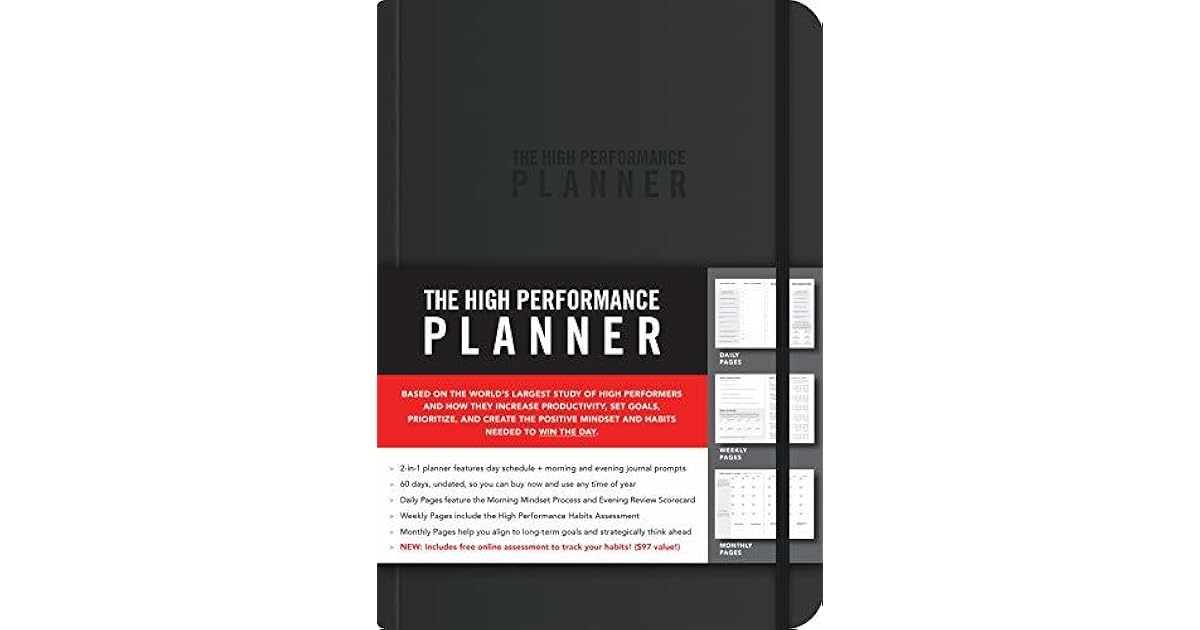
The feature of this notepad is simple: it creates urgency for your work and boosts personal performance. It's also the shortest notebook on this list, with pages that last up to 60 days.
During the morning, there are questions to get you ready to start the day. The daily, weekly, and monthly sections help you reflect on your level of performance, and the section on setting your goals and priorities prepares you to start the day.
Features of the High Performance Planner:
- Quick Trial: The 60-day limit for this daily diary creates a sense of urgency.
- Developing Habits: The same principle uses urging to develop habits faster.
- Wake up feeling energized: by getting ready in the morning.
- Develop yourself: with many questions for self-reflection.
The urgency aspect of this daily diary makes it one of the best diaries for people in work environments that need to get to work quickly; a good example is short projects, but it's also great if you want to try out new ideas or projects.
4. A productivity planner to define your to-do list, To-Do Planner
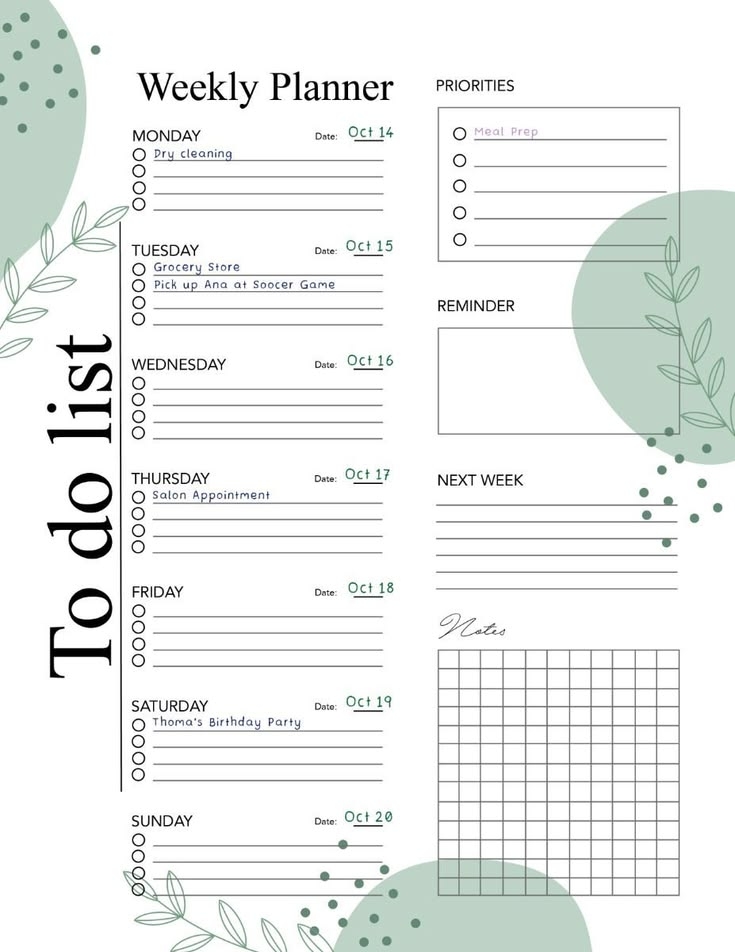
Do you always feel stressed because of the many tasks that you have to do? Then the To-Do Planner is the best option for you, and it also includes a to-do section to help you prioritize.
Along with tasks and priorities, there's a section for setting your appointments, too, and there's even a tracker to record how much water you drink. Everything in this planner is designed in such a way that you don't have to remember everything anymore. You can even use your mental strength to achieve your tasks.
Features of the To-Do Planner Productivity Planner:
- Less stress: You no longer need to remember all your tasks.
- Feeling focused: By prioritizing your most important tasks.
- Organize: Instead of using lots of sticky notes.
- Feeling better: by tracking daily habits.
If you are feeling stressed or disorganized, this is the best productivity planner for you. When you write down everything you have to remember, you will feel more relaxed, and now you can focus on what matters to you: getting your tasks done.
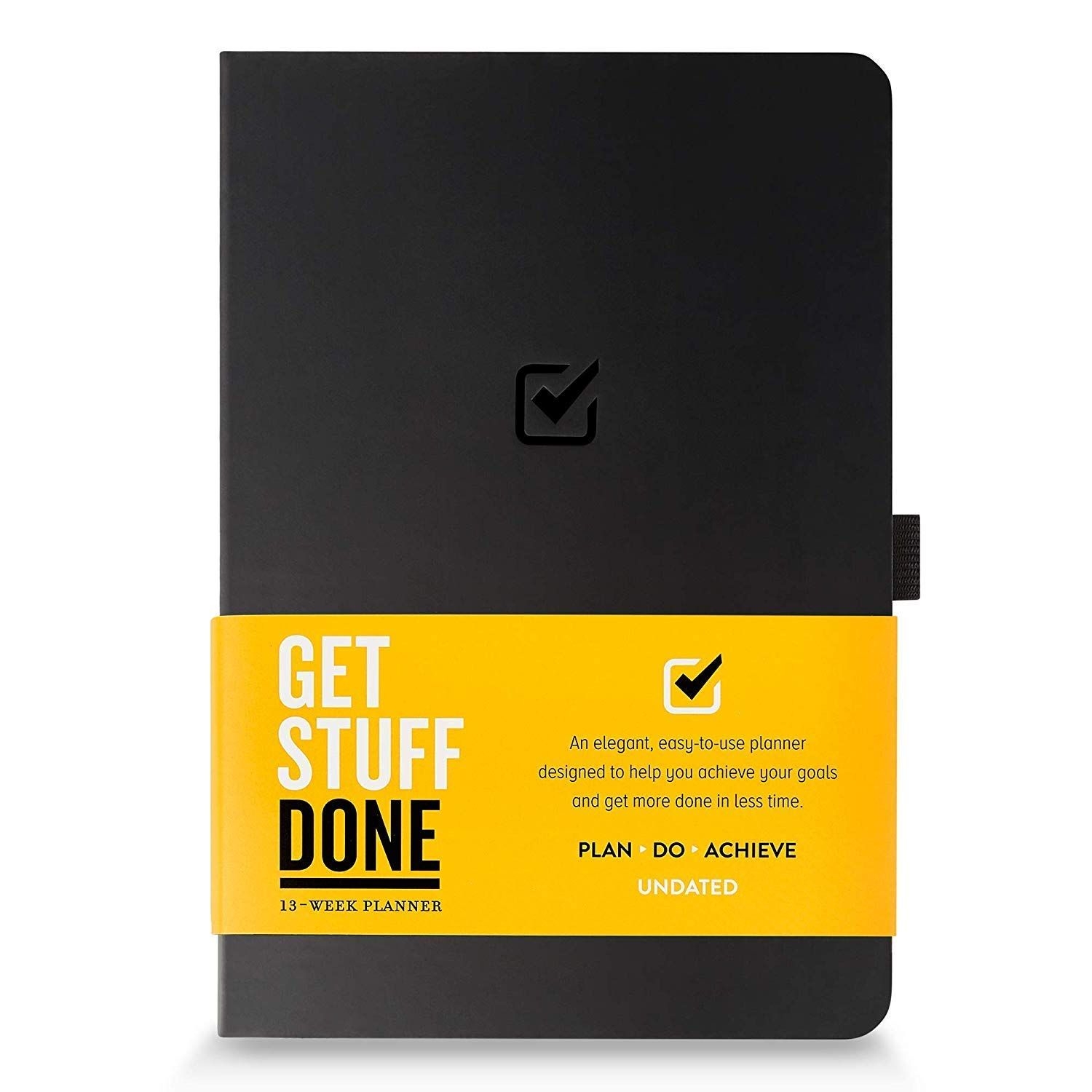
5. The Ultimate Goal-Setting Productivity Planner: Get Stuff Done
Are you looking for a planner to organize your goals? This is the best productivity planner for you because it is about setting goals, planning them, and, of course, achieving them.
The outline begins with a 10-year plan to outline your future vision, including a section dedicated to a vision board. The next section divides the vision into smaller goals. Once you know your smaller goals, it's time to plan them. The planner will help you create an annual plan, which is then divided into months.
Then the months are divided into weeks and days. Where this personal diary perfectly matches the theory of "The 12 Week Year", many times we set goals for a year and get off track after two months. As a result, people feel overwhelmed and give up on their goals, only to try again the following year. This notebook is the solution to this problem because it lasts 13 weeks. So instead of setting your goals only once a year, you review and renew them four times.
Features of the Get Staff Done Productivity Planner:
- Creates Clarity: Start with your big goal and then break it down into smaller goals.
- Feeling inspired: using the built-in future vision board.
- Better Focus: Develop a clear plan to achieve what you want.
- Achieve more: Work on your most important task each day.
- Persistence: You renew your goals every 13 weeks to adjust them during difficult times or unexpected challenges.
This is the best productivity planner for anyone who is serious about setting and achieving goals.
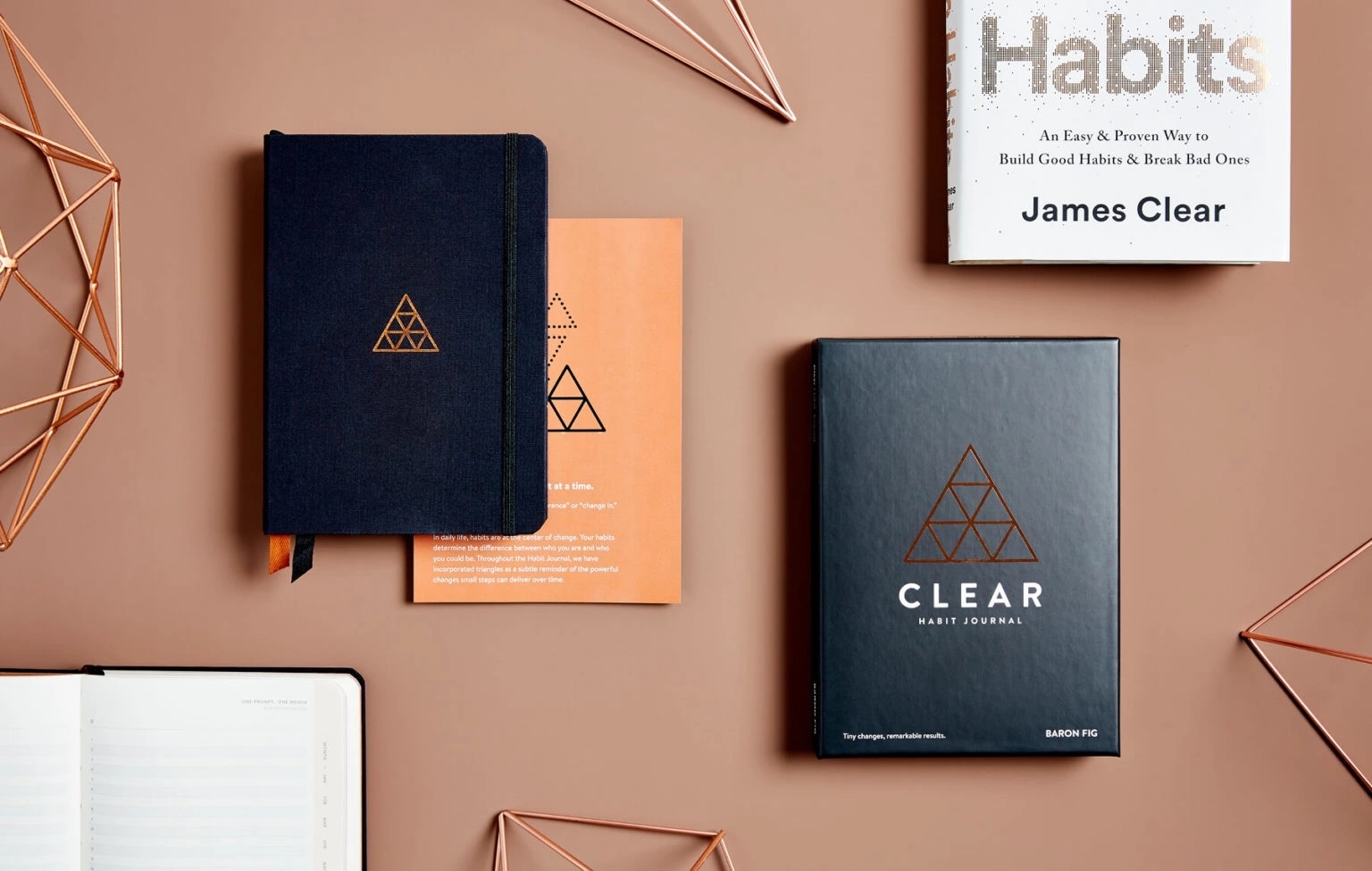
6. Best Creative Productivity Chart, Clear Habit Journal
I am currently using this planner and love its customization features. Bullet pages provide the flexibility to track and measure your productivity in any way you want.
This way, you can take the best practices from all the productivity planners and customize your own to make it the best productivity planner for your needs. In addition to that, there is a daily habit tracker in it to keep track of your productivity.
Features of the Clear Habit Journal Productivity Planner:
- Customizable: Combines the best ideas from all productivity platforms.
- More Personal: Use your creativity to make the layout your own.
- Develop good habits: using the daily habit tracker.
- great value: This planner is high quality and contains enough pages and habit tracking sheets for a year.
This is the best productivity planner if you are already experienced with other options and know what works best for you. Although it may not be your typical productivity planner, you are able to customize it and make it your own. It is also for those who ask for improvement in various areas of life, not just productivity.
7. Best Free Productivity Planner, Google Workspace
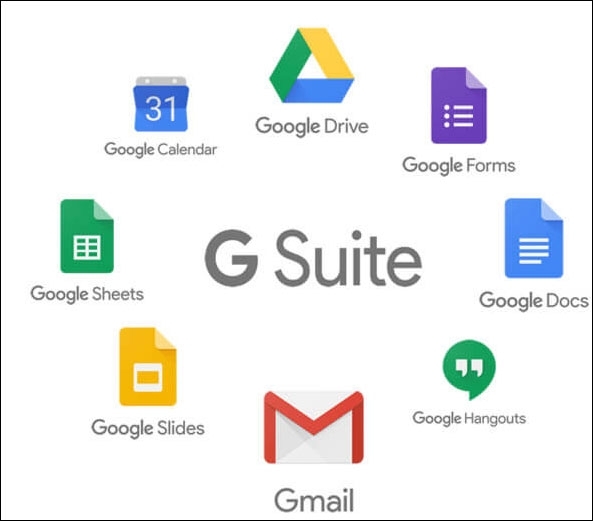
Although writing in this notepad by hand is better for organizing the mind, there are, of course, free online tools that you can use as a productivity planner, and the entire suite of Google products is a case in point.
You can use a calendar to schedule and organize your day; you can track your tasks in the Google Task app; and you can create a personal goal tracker in Google Sheets.
Features of the Google Workspace Productivity Planner:
- For free.
- With digital storage: Never lose your tasks or planners.
- Accessible: It can be used on different devices.
Although hand charts organize your mind better, these online options are great for those who can't afford to buy them yet.
Conclusion
There is no one-size-fits-all productivity planner; hopefully this article gave you some pointers in the right direction, and for beginners, I'd recommend using a very comprehensive version like Option 1. That way, you know exactly what you like and don't like about journaling.
For those who have been journaling for a while, they may have found their own, but if not, try a few of these planners for a while. Experimentation is the best way to find out what works for you.




Add comment