



Time is the most precious thing a person has, and it is the basis of tier success in professional life in various aspects of their life. Utilizing it properly leads to a state of balance between professional and personal life.
Time management plays an important role in achieving goals as quickly as possible because it helps the mind focus well on the task in order to implement it in the best way, away from the stress and anxiety that a state of chaos creates. Rather, it is filled with positive energy because it is far from regret resulting from wasting time, and all of the above is what distinguishes a successful person from others.
Of course, time management is one of the most important life skills that can also be acquired and mastered to enhance productivity and success. Reading is one of the most important ways that tells you about the importance of time management, and presents a way to develop skills in self-management. Therefore, today we have chosen a group of the best books that talk about time management and organization so that you can benefit from every minute that passes during your day, so continue reading the article to get the most important tips.
The best books on the art of time management and organization
The best way to learn how to manage time and enhance productivity is to read inspiring books. Below are the best books on the art of time management and organization:
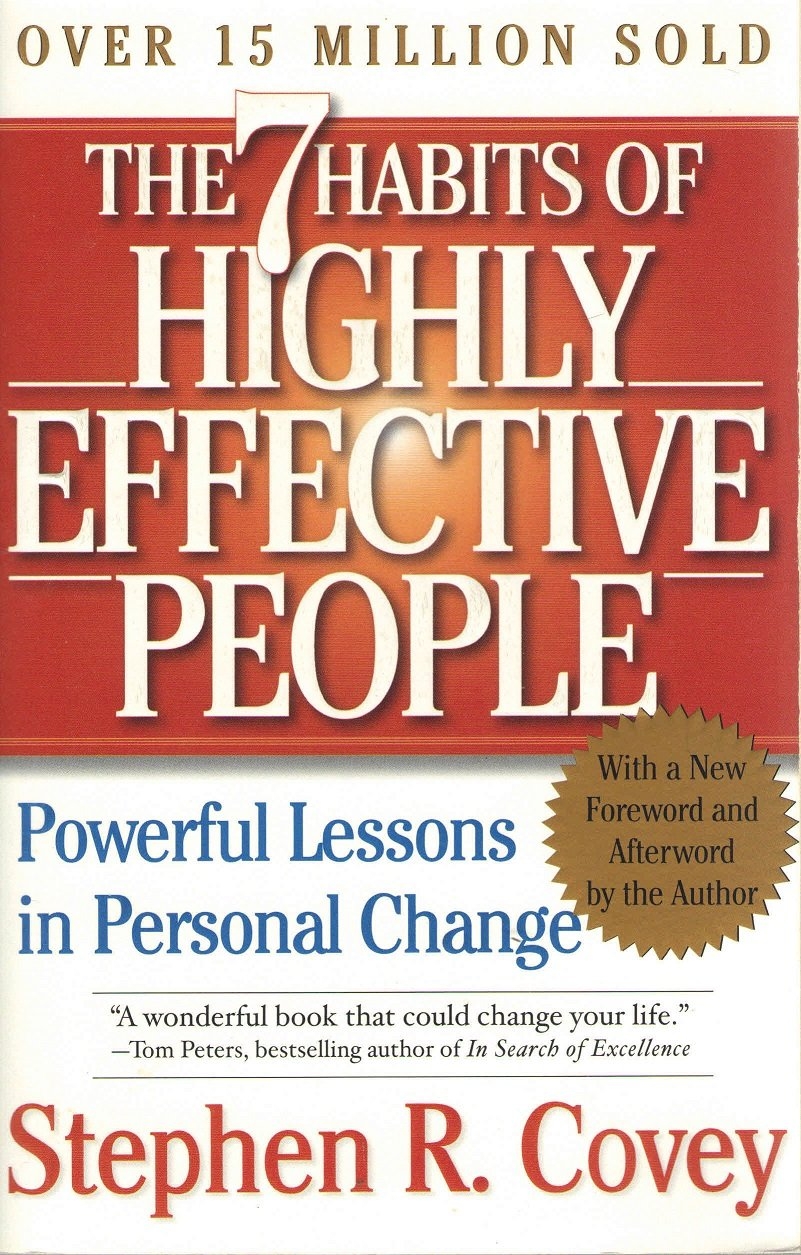
1. The Seven Habits of Highly Effective People: by Stephen Covey
It was first published in 1989 and is considered one of the best international books. It provides powerful lessons that lead a person to a major change, whether in professional or personal life and develops your good habits without working to get rid of bad habits and wasting time by teaching you how to stay on track, setting priorities in your life and your main goals.
Covey uses an analogy to explain his ideas in this book, which is that you put rocks, sand, and pebbles in a bowl and determine the things you put first, which represent the priorities in your life. For example, if you put small things like sand or pebbles first, they will not later accommodate the rocks, whereas if you put pieces of rock first, the small spaces will still accommodate the pebbles, and if you put sand last as well, the grains of sand will find a place. Your time can also expand if you complete your work in order from most important to least important.
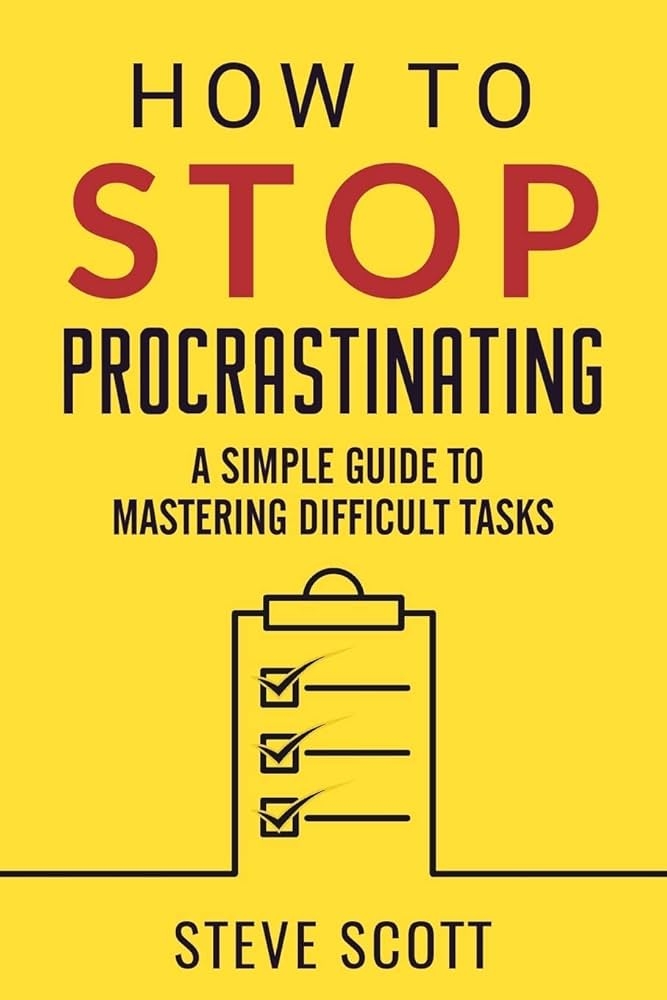
2. How to Stop Procrastinating: by SJ Scott
The book revolves around overcoming procrastination, which is one of the bad habits that can destroy businesses. It is thinking that you will work and accomplish something, but you are satisfied with thinking and talking. If you suffer from procrastination, you should definitely read this book because it is a practical book that reveals to us the reasons behind procrastination.
The writer tells us about his own experiences to provide simple guides on how to manage time and overcome procrastination. The book is distinguished by clarity and simplicity, which makes it easier for the reader.
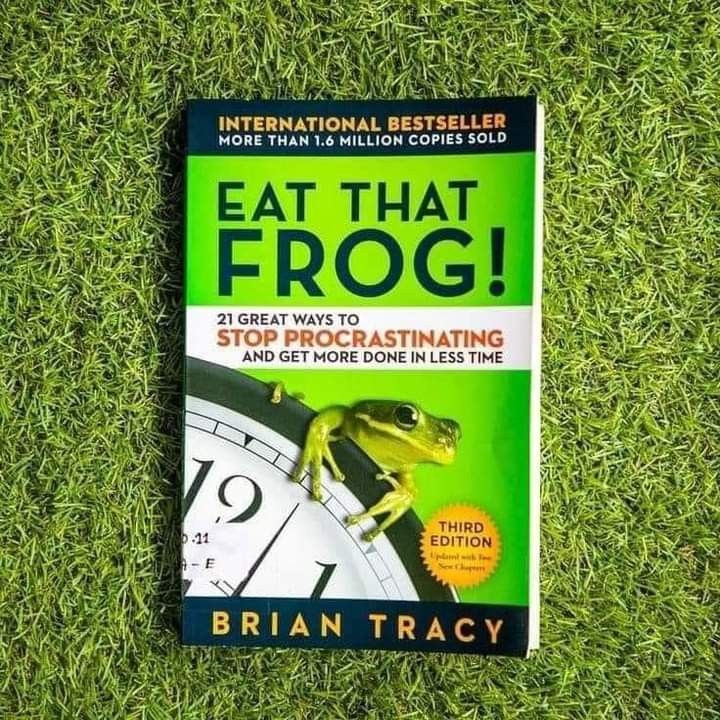
3. Eat This Frog
One of the famous books that teaches you how to stop procrastinating and is inspired by a famous saying by Mark Twain, which is: “Eat a live frog in the morning and nothing worse will happen to you for the rest of the day.” From this principle, the writer Brian Tracy set out to teach us how to manage time to achieve greater achievement. A number of tasks in the shortest time as well, as it shows us how to set goals and organize so that we begin to accomplish the most challenging task in the morning, which is the frog, according to Mark Twain’s saying.
Tracy explains that controlling life and time can only be achieved by changing one's way of thinking and dealing with the tasks and responsibilities that increase daily and never end so that one finds enough time to do all the work, even simple activities.
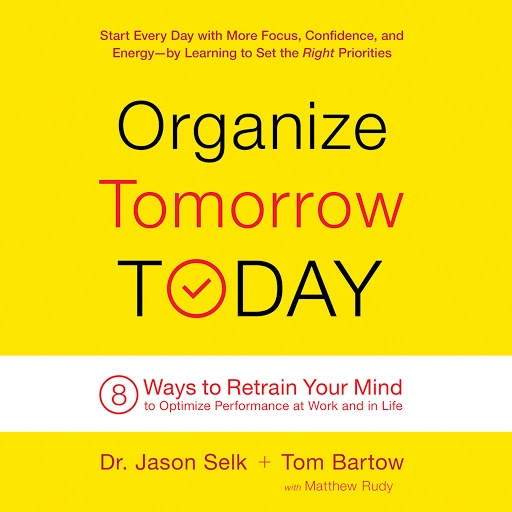
4. Organizing Tomorrow Today
In this book, Dr. Jason Silk, director of mental training for the St. Louis Cardinals, and Tom Bartow, a business coach, explain how to train the human mind. This improves business performance by presenting 8 effective methods that contribute to improving the way a person lives teir life, setting their goals, and getting rid of bad habits that hinder the implementation of business and the achievement of goals. All points aim primarily to maximize time as it is the key to success. Success, as the book explains, does not require you to be a brilliant person; It requires you to be a regular person.
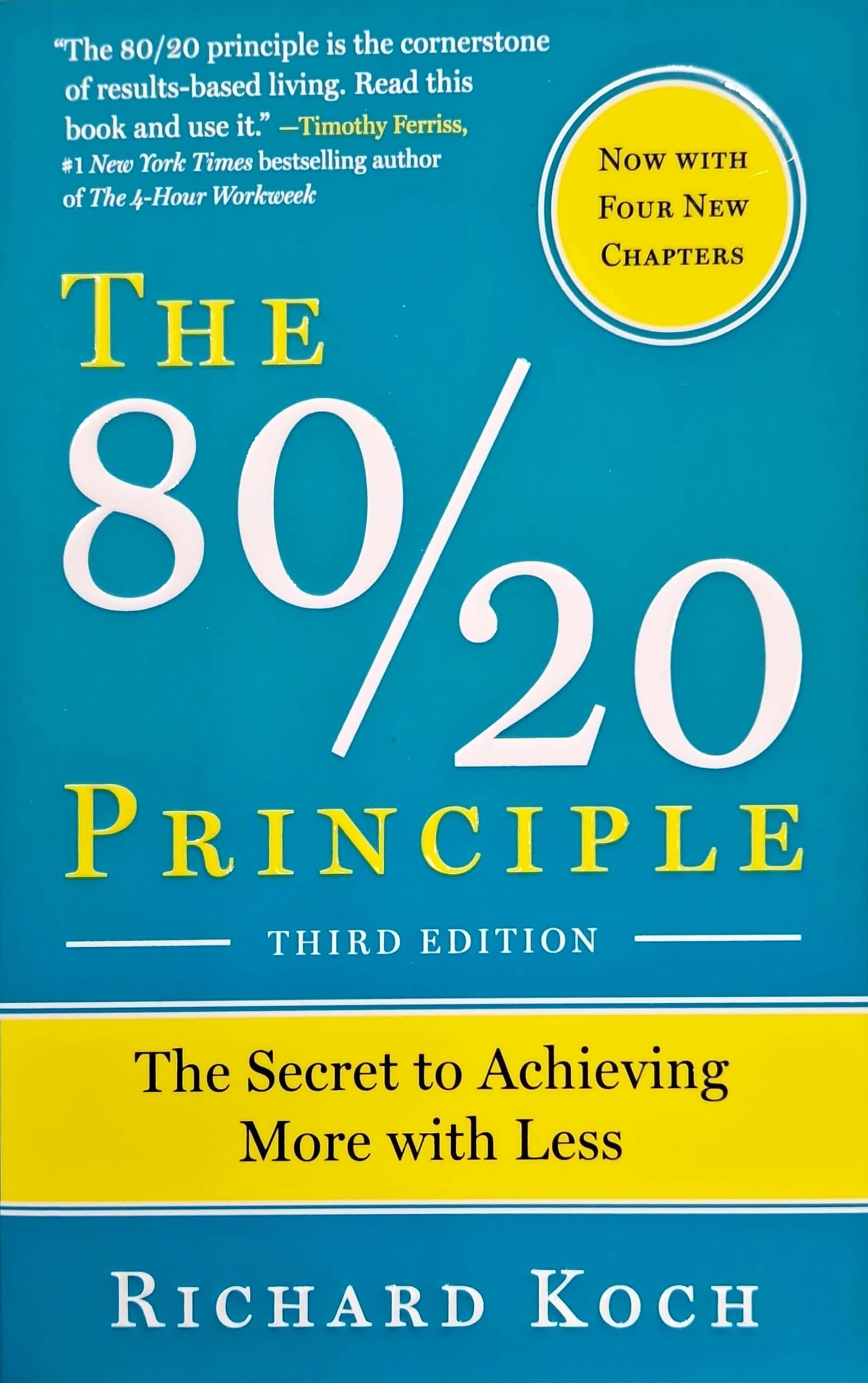
5. The 80/20 Principle: by Richard Koch
He tells us that 80% of the results we get result from 20% of the effort, and to succeed in your life does not mean that you have to stay busy all day. You should invest your energy in 20% of the work, which are the tasks that are of high importance and should be given high priority. The book also explains strategies that can be used in the corporate world and provides effective ideas to reduce time wastage.
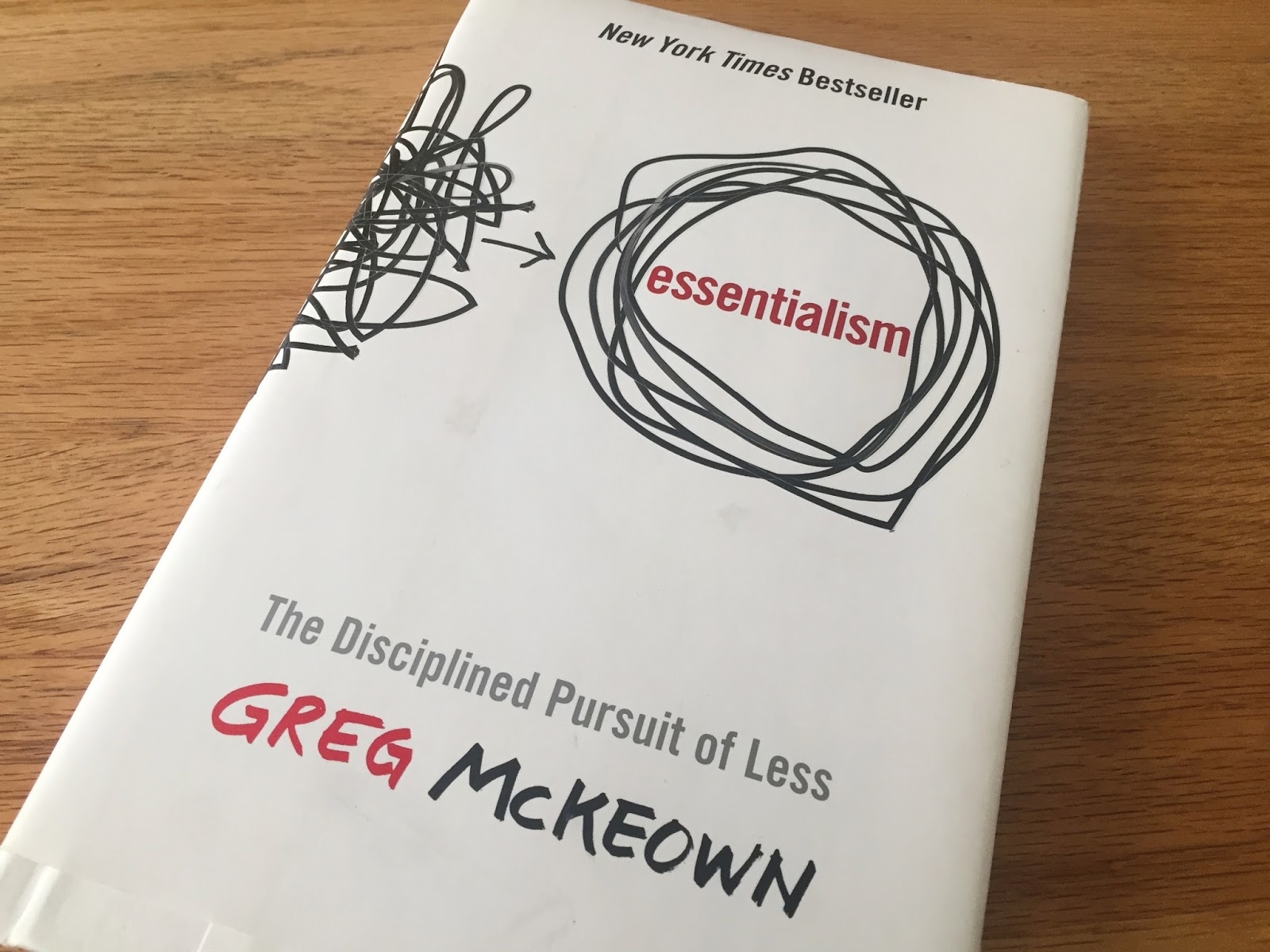
6. Intrinsic: by Greg McKeown
He shows how to devote time and energy only to the work that matters by telling personal stories, advice, and studies that moves the reader to a more regular life, in which he says “no” to unnecessary work, and embraces the basic commitments in his life.
7. The 4-hour Work Week: by Tim Ferriss
He offers a new point of view away from the 9-to-5 work system. He relies on his personal experiences in creating his own schedule, in which he focuses on 20% of the tasks and obtains 80% of the results, thus compressing his productive time. You get rid of distractions and rely on automating work by contracting with an external assistant so that you can live more freely.
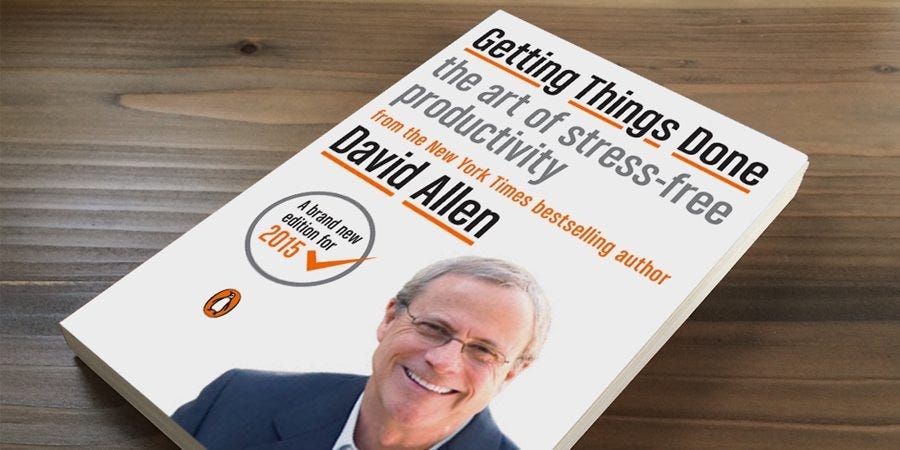
8. Getting Things Done: by David Allen
The book was published in 2001, and since its release, it has been classified among the most important and influential business books, in addition to being important in the field of personal organization. The book explains how to accomplish work based on organizing ideas and time, and stimulating creativity. Although David Allen later modified the book over the years, the basic ideas contained in the book remain the same and depend on the procedure and the result. They are the two basic elements in accomplishing various things.
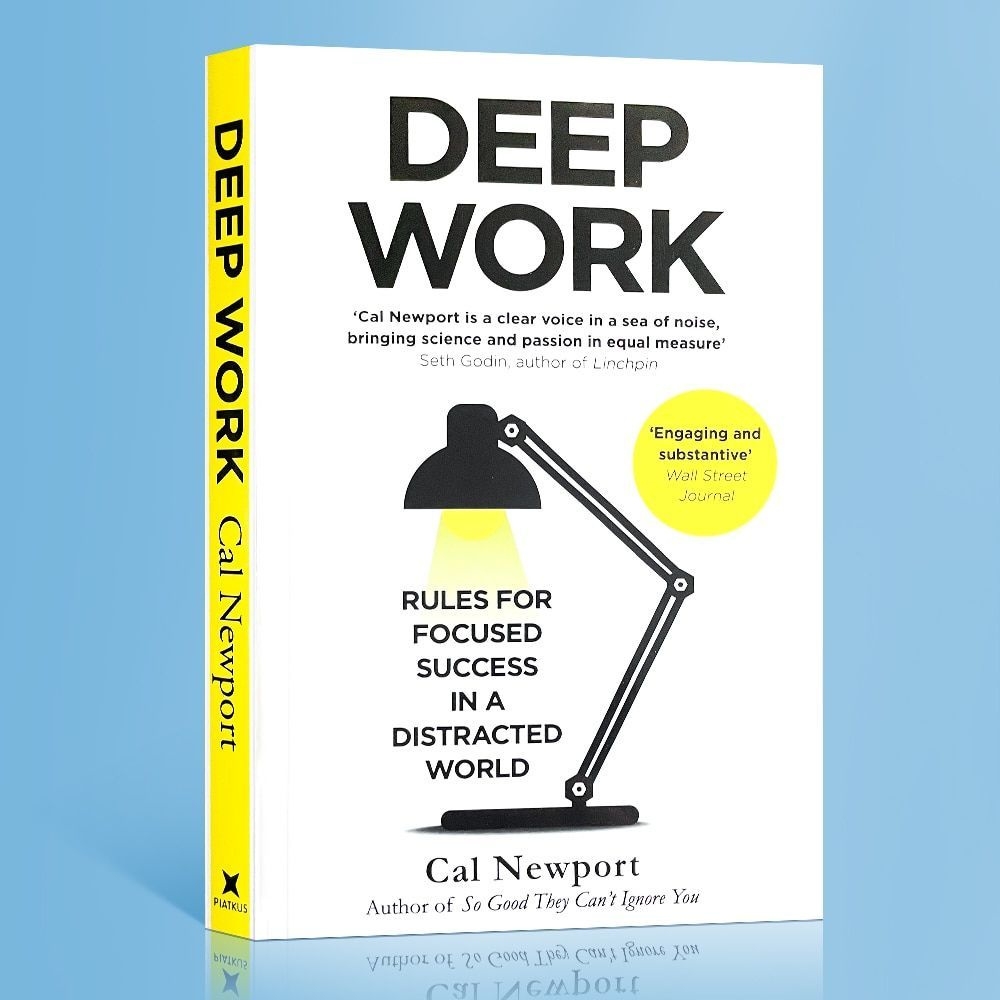
9. Deep Work: By Cal Newbro
He explains that our main problem is that the surrounding world is full of things that distract the mind, keeping us away from working with concentration and depth, and this reduces our abilities to complete and organize tasks, while practical activities that are produced in a state of focus are away from chaos. Distraction shows abilities, which enhances productivity, and the book explains a set of rules that lead an individual to success in a distracted world.
10. Time Allocation: by Jake Zeratsky and John Knapp
The book directs the reader towards giving priority and great importance and highlighting the most important things during the day, so that full strength and energy are focused on accomplishing this task But with great confidence in the importance of this work so that various tasks come in second place, thus keeping the individual away from the randomness of completing tasks.

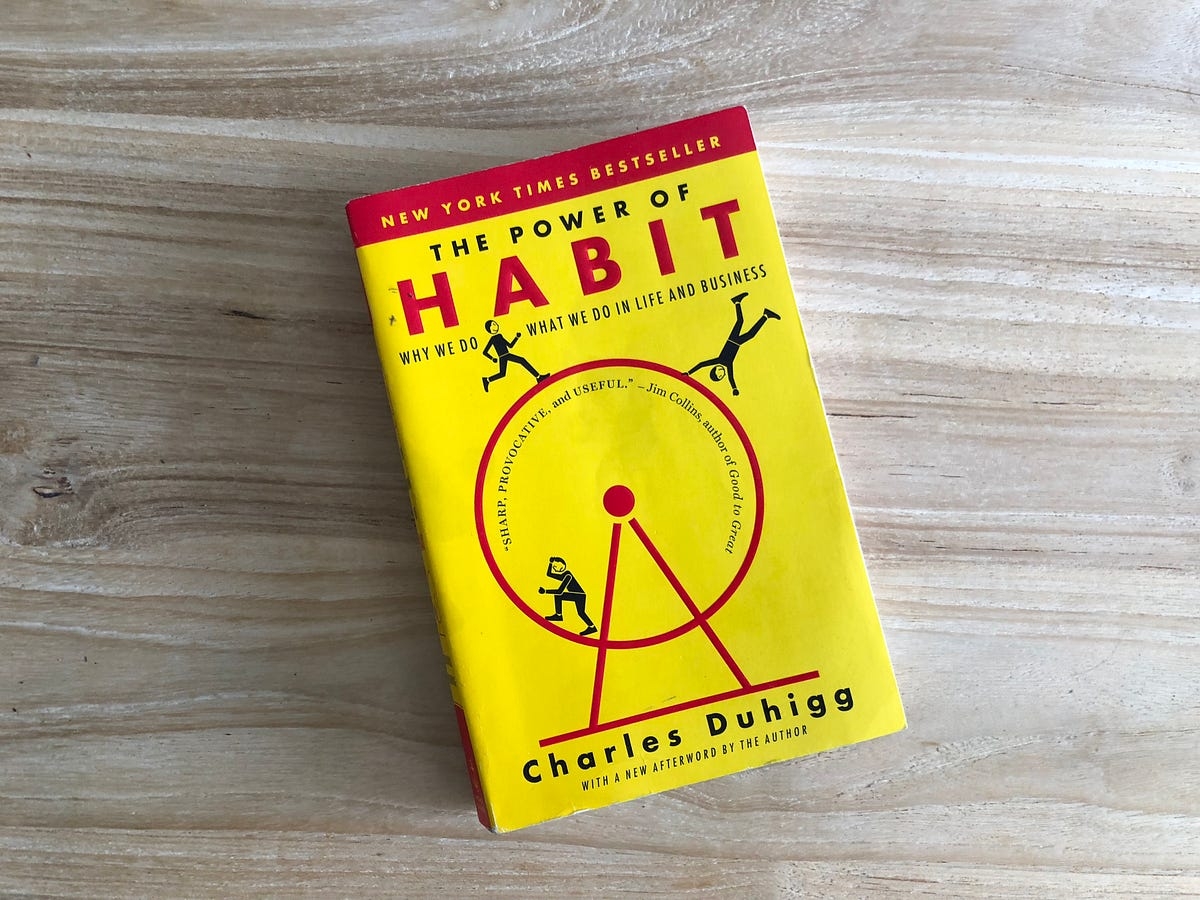
11. The Power of Habit: by Charles Duhigg
in this book, he uses wonderful stories that explain how to change the current patterns of our daily lives by establishing new habits and teach us to focus on good habits to be able to achieve the largest number of goals daily.
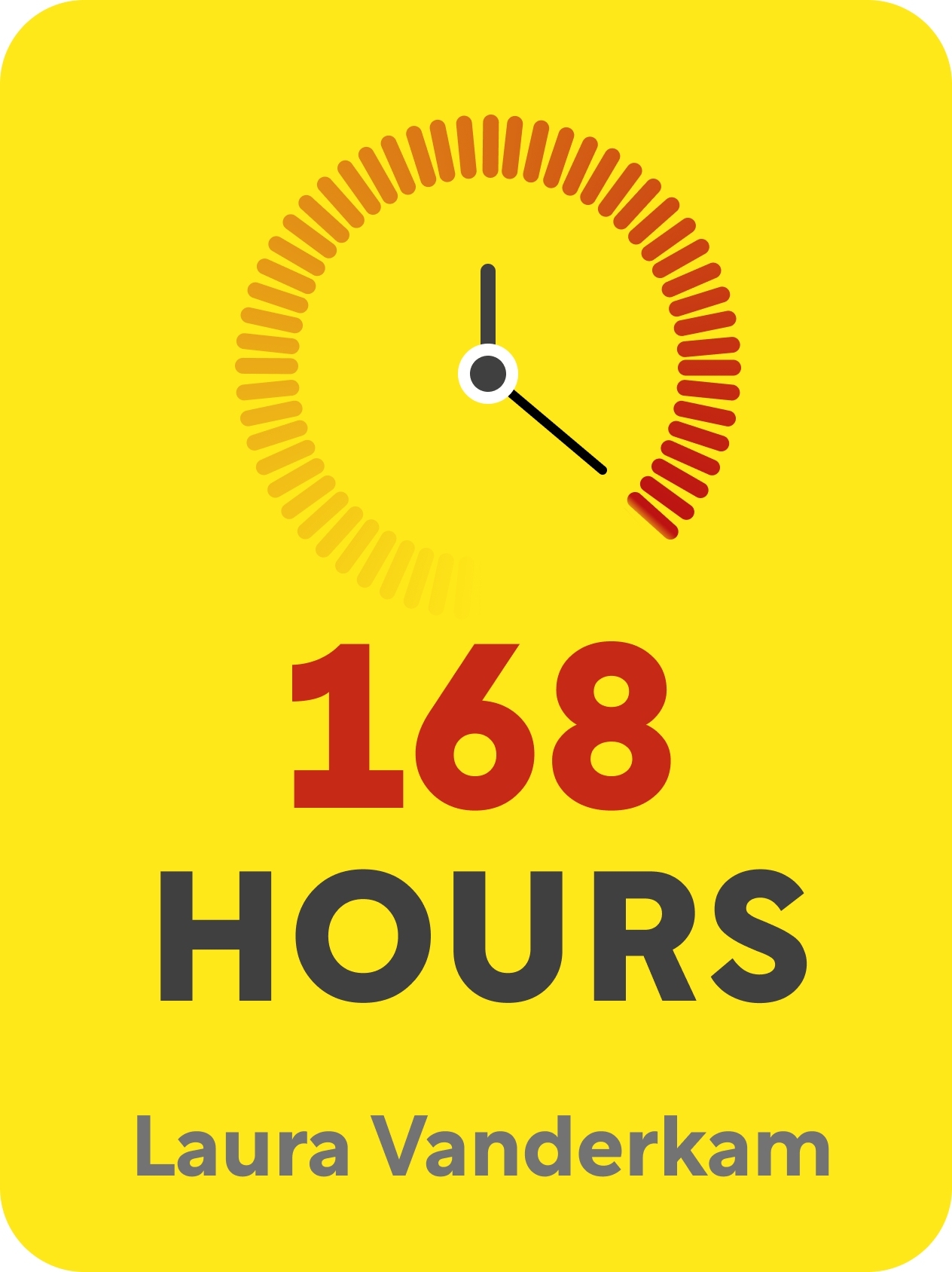
12. 168 Hours Book: By Laura Vanderkam
She explains that we all have 168 hours a week, and that most people who work a lot and are overworked all the time work in ineffective and inefficient ways, and that calling anything we have to accomplish work does not give it importance. Rather, time must be allocated to the really important things and accomplished first, and the book includes a group of true stories from people who are successful in their lives and happy as well.
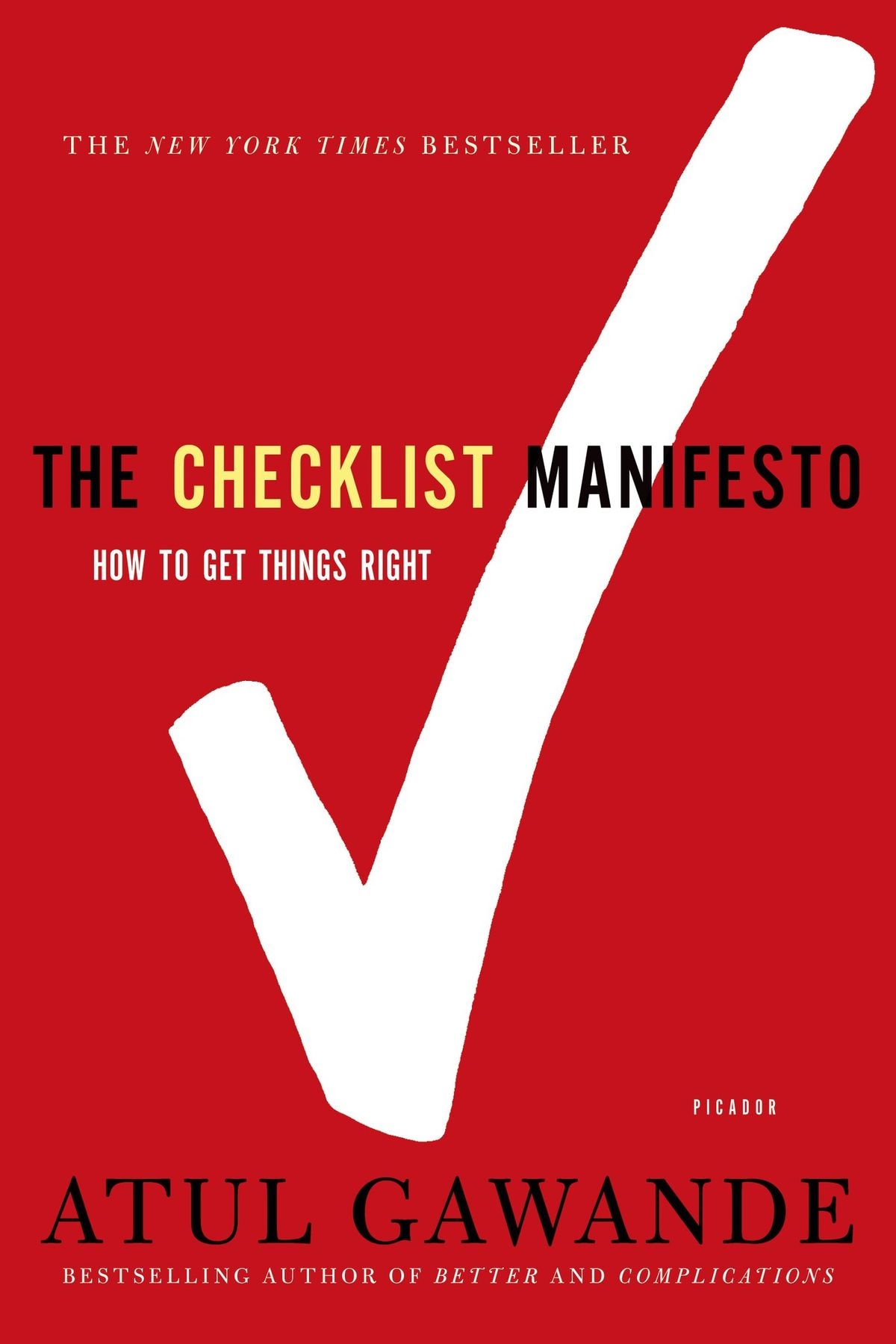
13. Checklist Statement: by Atul Gawande
He explains that checklists can protect us from simple problems surrounding us; the book includes a collection of important and motivating stories from which we can learn how to succeed in accomplishing various tasks.
14. Impulsiveness: by Matt Kane, Sergey Skorek, and Steve Gargiulo
This book provides a guide that directs you immediately to implementing postponed ideas. Most of us have ideas for important work, but we lack the enthusiasm to rush towards implementing them. We should not wait for the right time. The time is now. For work, there is no perfect moment; Rather, we are the ones who make it.
In conclusion
Organizing and managing time appropriately is the key to success in life because it allows a person the ability to accomplish necessary and unnecessary tasks, so they do not get busy with work and forget their personal life. Therefore, most writers tried to teach us how to manage time by setting priorities and following rules that prevent wasting time.
In our article, we mentioned a group of the most important books that talk about time management, such as The Seven Habits of Highly Effective People, How to Stop Procrastinating, which teaches us to overcome procrastination, Eating This Frog, Organizing Tomorrow Today, and Getting Things Done by David Allen, and “Deep Work,” which directs us toward working with focus and getting rid of distractions, as well as“Allocating Time,” which directs us toward prioritizing the most important work. The various books mentioned stress that success begins with changing habits and the way we deal with daily tasks.



Add comment