



You feel the familiar winds of stress as you think about the mountains of commitments and fears that lie ahead of you tomorrow, distracting you from the things that typically make you happy. No one blames you because you walk a tightrope as thin as hair, balancing work, family, and personal obligations, and it won't be long before it snaps under all these demands weight.
In fact, in the 2017 American Psychological Association stress survey, 45% of respondents admitted that they couldn't sleep at night for a month because of stress, and 75% said they had experienced at least one physical or emotional symptom due to stress during that month.
Despite feeling helpless and uncertain about how to regain control of your life due to the never-ending stress cycle, the good news is that you can take these steps.
Finding the precise sources of stress and acknowledging the symptoms they produce is the first step. After that, you can deliberately alter your daily routine to modify how you handle your stressors and lessen their negative effects on your health.
What Is Stress?
Stress affects us in various ways and at different physical and emotional levels.
Studies have indicated that stress can occasionally be advantageous, increasing our attentiveness and improving our performance in particular circumstances. However, it has been discovered that stress is only beneficial if it is short-lived, and excessive or chronic stress can lead to diseases such as heart conditions and mental health problems like anxiety and depression.
Your body goes into stress mode when it senses that you are in danger or that something is upsetting you. This can cause various physical symptoms, alter your behaviour, or bring on stronger emotional feelings.

Stress Physical Symptoms
People react differently to stress. Some common physical symptoms include sleep issues, perspiration, or changes in appetite.
Stress hormones are released in your body in response to pressure or threat, which enable you to deal with the situations, which cause these symptoms. This is referred to as the "fight or flight" response, in which the hormones noradrenaline and adrenaline cause an increase in heart rate, blood pressure, and perspiration.
In addition to decreasing skin blood flow and stomach activity, these hormones prime your body to react to emergencies. Cortisol, a different stress hormone, causes your body to burn sugar and fat, giving you more energy.
As a result, you may experience headaches, muscle tension, pain, nausea, digestive disorders, dizziness, increased breathing rate, palpitations, or other pains. Furthermore, long-term risks could include heart attacks and strokes.
This is something that humans have inherited from their prehistoric ancestors, who needed the ability to either fight or flee from danger. Stress hormone levels usually return to normal when the threats or pressures are no longer present. However, these hormones stay in your body if you are under constant stress, which causes stress symptoms to manifest.
You cannot consume the chemicals your body produces to protect you if you are stuck in a crowded train or office where you cannot escape. The buildup of these hormones and their changes over time may be detrimental to your health.

What Causes You Stress?
“It appears that feeling like you don't have enough time for everything is the most common cause of stress,” said Dr. Heidi Hanna, a neuroscientist and executive director of the American Institute of Stress. “People ask for more time and effort than they can manage, and being constantly connected to technology makes things worse.”
Research has indicated that the most common cause of stress is feeling like there is not enough time to do everything. Also, most people don't realise that their internal stress makes external circumstances much harder to deal with. For example, if you have inadequate sleep, eat poorly, or lead a sedentary life, your nervous system becomes more disrupted and more susceptible to perceived sources of stress or threats in your environment.
Dr. Hanna stated, "With all the technological advances, it's easy to forget that we're still dealing with a very primitive brain pattern encoded for protection in every way. The stress response system is triggered if we feel we lack time, energy, money, or other resources like social support."
Aside from being unable to accomplish everything, our relationships, health, and financial status are other common causes of stress. Even though these concerns are often on our minds, they become more pressing when an obstacle arises.
“Stress is a part of our relationships and our need to socialise. Stressors in our lives include having a sick family member, relationship problems, money, and public obligations,” according to New York family psychologist Dr. Jennifer Hartstein. She says, “Stress exists everywhere. What matters is how we effectively deal with it to keep it from taking over our lives.”
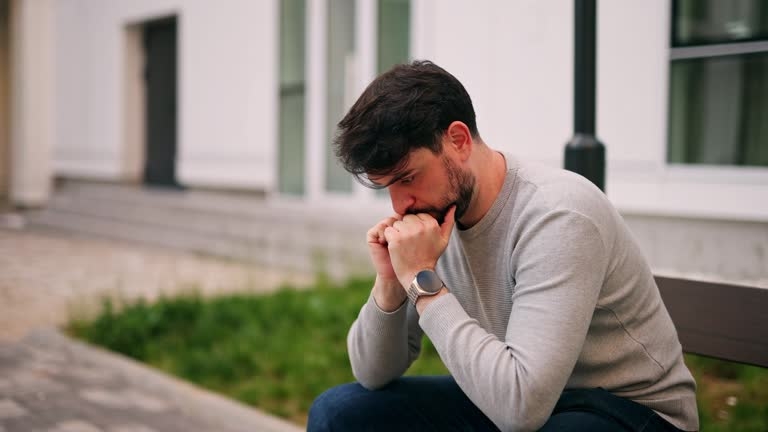
Be Cautious of These Symptoms
Stress can have physical, emotional, and mental effects; at times, these symptoms may be obvious, and at other times, they might not. According to Hanna, the telltale sign that stress takes control of your life is when you no longer feel like yourself.
"You may start the day with the best of intentions but suddenly find yourself feeling unsettled or easily agitated, overreacting to things that normally don't bother you, or feeling lethargic and exhausted for no apparent reason," she says.
Physical symptoms are frequently present alongside emotional and mental issues. For example, some people experience headaches or stomachaches, which occur when the body produces too much of the stress-related hormone cortisol.
In addition, you might experience disarray, a shift into a persistent state of anxiety, unusual pessimism, difficulty committing to tasks, and trouble focusing.
Emotionally, you might experience depressing emotions like low self-worth, helplessness, or loneliness. These issues make it more likely that most people will want to withdraw and avoid others when experiencing these emotions.

How Do You Manage Your Daily Life and Eliminate Stress?
Stress is a natural response to challenging situations in life, such as work, family, relationships, and financial issues.
As we previously discussed, a healthy stress level can help us function better in trying times. However, chronic or excessive stress can cause physical health issues like low immune responses, digestive disorders like Irritable Bowel Syndrome (IBS), or mental health issues like depression. For this reason, it's critical to control our stress levels and keep them at a healthy level to avoid long-term damage to our bodies and minds.
Try following these tips when you feel stressed:
1. Recognise When It Becomes Problematic for You
Do not disregard your body's warning signs, such as tense muscles, extreme fatigue, headaches, or migraines. You should connect your stress levels and feelings of exhaustion or illness.
2. Identify the Causes
Try to determine the underlying causes of your stress. Categorise the potential causes into three groups: those that can be changed, those that will get better with time, and those that are beyond your control. Then, try to let go of the causes in the second and third categories because there is no point in worrying about things you cannot control or will go away on your own.
3. Review Your Lifestyle
Are you doing more than you can handle? Are there things that can be delegated to someone else? Can you do things at a slower pace? You may need to prioritise your goals and reorganise your life to avoid attempting to do everything at once.
Additionally, you can assist yourself in defending against stress by following the tips listed below:
3.1. Eat Well
A healthy diet lowers the chance of developing diseases linked to poor diets. Numerous studies have demonstrated that food impacts mood, and you can sustain your sense of well-being by ensuring that your diet includes enough water and vital nutrients like vitamins and minerals.
3.2. Refrain from Drinking and Smoking
Although they may appear to reduce stress, this is misleading. These behaviours have the opposite effect and can worsen existing issues.
3.3. Exercise
Physical activity is very effective in relieving stress. Even going out for some fresh air and engaging in light physical exercises like walking and jogging may help.
3.4. Rest
Taking time to rest is important; saying "I can't take a break" will not benefit you if you are forced to take time off later due to illness. Finding a balance between your responsibilities towards others and your self-responsibilities is crucial in reducing stress levels.
3.5. Be Mindful
Research has shown that anywhere, at any time, practising mindful meditation can lessen the effects of stress, anxiety, and related issues like sleeplessness, lack of concentration, and depressed mood in certain people.
3.6. Get Enough Sleep
Getting enough sleep is important because stress frequently brings sleep issues.
3.7. Don't Be Too Hard on Yourself
Everyone has bad days, so try to keep things in perspective.
In Conclusion
Maintaining organisation and balance is essential to managing your daily life and eliminating stress and distractions. The secret to accomplishing this might lie in daily routines and setting aside time for rest, relaxation, and motivation.
Also, you should learn time management techniques and be adaptable when handling last-minute changes. Finally, allow yourself adequate time to savour life and balance your personal and professional lives.


Add comment