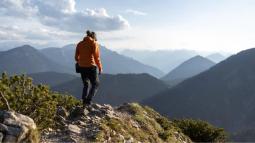



Note: This article is based on the work of lawyer and entrepreneur Jay Harrington, who tells us about his experience of breaking the daily routine by taking a long walk to get out of his comfort zone.
I had carefully planned the trip with my three friends. We packed our bags with enough food, clothes, tents, and supplies to get us through the trip, and we also needed the means to filter the water of Lake Superior, from which we needed to drink to avoid dehydration.
But as is so often the case when planning an outdoor adventure, small mistakes must be made that affect the level of comfort during the trip. I decided at the last minute to switch to a different pair of shoes than I had originally intended to wear, and instead of wearing lightweight running shoes, I opted for a heavy old pair of hiking boots.
As I had chronic weakness in my ankles due to many sprains over the years, I worried that I would sprain my ankles on long walks on the trail or be a burden to my friends. It is not easy to deal with the injury while walking long distances.
Walking shoes provide good ankle support when hiking but have recently caused some painful damage to my feet, which I checked right out of the tent that morning.
It was clear that I would have blistering problems after walking several miles on the first day; however, the painful blisters weren't the problem, as long as they could be controlled. The main problem was that the blisters on my heels might cause a change in gait. This results in abnormal tingling on the balls of my feet, which causes a deep, painful bruise (Morton's tumor) that grows on the balls of the foot.
After we'd re-lit the campfire from the night before, made coffee, and cooked breakfast, it seemed obvious I'd have to put my old shoes back on and get used to the idea of being uncomfortable for a few days.
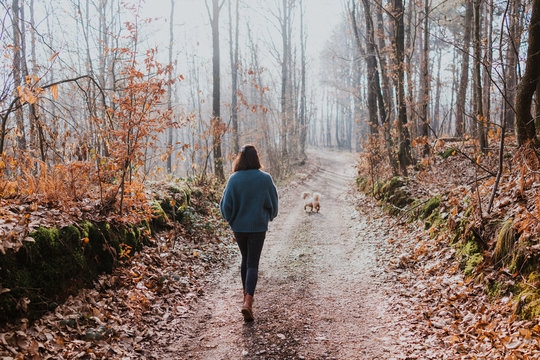
After 11 miles, we reached our second destination and quickly pitched our tents. During the hike, we had the opportunity to enjoy the slopes, the stunning views of Lake Superior, and the waterfalls and other natural wonders that the rocky region is famous for. Lake Superior is one of the most beautiful places on earth.
The second camp was in an area deep in the woods, where mosquitoes spread everywhere. So we set down our baggage on the shore as soon as camp was set up. It was easier to deal with the black flies, and we spent the next six or seven hours lounging on the beach, cooking dinner, letting the freezing waters of Lake Superior wash away the aching and sore feet and calf muscles, and then making our way back to camp after sunset. About 10:30 p.m., we closed our tents as quickly as we could as mosquitoes buzzed us.
On the third day, after we started our hiking trip, we began to weigh our options. We had another 21 miles to go, which we intended to complete over the next two days, but the idea of setting up camp among another swarm of mosquitoes was not appealing.
After walking 13 miles, we took a break at Miner's Beach about 5 p.m., and by this point, we were all experiencing some level of discomfort, from blisters to sore knees, backs, and feet. We still had two more miles to get to the camp, but we decided to cut back on our energy, cut off the last eight miles of our walk, and spare ourselves the trouble of dealing with the mosquitoes.
By the time we started the last stage, we knew we had only about three or four hours left of the day, so we had to move quickly. Our hike turned from walking to jogging, and we arrived by dark at 10:30 p.m., sweaty and dry in the throat, thirsty but elated.
Our little adventure may seem like a small thing compared to the epic journeys circulating on Instagram or documented on Netflix, but for me, as a middle-aged administrative employee, it was a short trip that was absolutely gorgeous and definitely took me out of my comfort zone.
Growing Through Discomfort
It is easy to get stuck in a fixed daily regimen. As we get older, our lives begin to be organized within familiar patterns of life, so the spontaneity of youth disappears and the sense of adventure diminishes due to the monotony of events, while the days get longer and life runs quickly.
Practicing life within fixed rules (routine) is comfortable, and breaking the fixed system (routine), even if in small ways, is uncomfortable. This is why most people do not get out of their comfort zone, but the path to self-growth is when you feel comfortable getting out of your comfort zone.
Here is an easy example of the gains I made by getting out of my comfort zone: I usually spend my time checking emails to make sure I get a reply from my new employer, but walking through the woods in a place cut off from wireless signals for three days forced me to break this system.
At first, I used to pull out my phone and check my mail every once in a while, even knowing that it was useless, but within a few hours, I had to adapt to the new reality (life without the Internet). As a result, I have become more present in the moment.
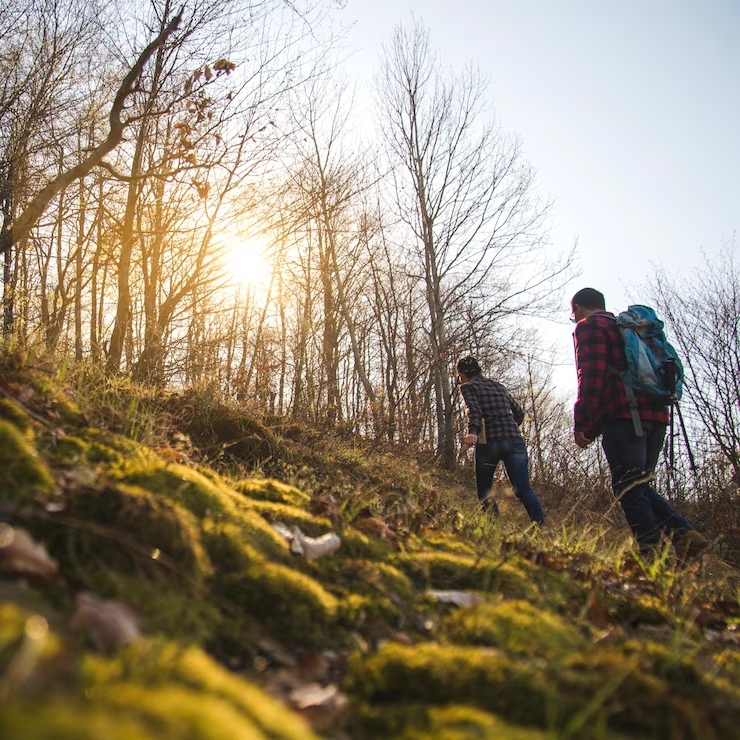
While it felt uncomfortable at first, I realized how bad it was to let technology steal my attention away from enjoying the beauty of the wonders of the world around me, and after I got back to town and the call came up, I found that I had to endure a digital detox for three days, and of course it wasn't quite ideal.
But the positive vibes of the weekend away from technology prompted me to cut back on my phone in search of temporary happiness. There are far more attractive things to contemplate in Traverse City.
Another example: Fitness has always been an important part of my life, but for the 12 months leading up to that trip, I had slacked off on exercise. My workout regimen became so boring that I started to feel sluggish, and a weekend spent walking through Pictured Rocks National Lakeshore helped break that boring lifestyle.
To be honest, walking that distance was a physical challenge for our agility. Traveling 43 miles in three days through rugged mountain terrain with high humidity, muddy trails, and plenty of obstacles, in addition to carrying heavy backpacks, was grueling; however, despite the increasingly sharp pain in my feet, walking became easier as the days went by, and we ran the last eight miles on the third day.
This was an important reminder that the human body is a pretty amazing machine, and the physical limitations we face (except for injury and disability, of course) are mental and psychological. While the body's instincts work to save energy, it takes it out when we're in trouble or when we need it.
Although the first two days of the physical challenge were very difficult, by the third day the body had begun to acclimatize, drawing on rarely used reserves and an unfamiliar sense of relief amid the uncomfortable conditions of the hiking trail, like detoxing digital control, a great asset for improving fitness and committing to more rigorous training.
Try Something New Every Once in a While to Create Lasting Change
Rather, this experience was given to you in all its details to reach one conclusion: that the best way to break free from the old system is to push oneself to face new circumstances and experiences (which may be uncomfortable), so you cannot think of a way to get out of unwanted habits on your own, and even online articles or videos will not provide the necessary motivation to overcome the stagnation of the status quo.
That is why it is always necessary to try something new, even if it is currently annoying. To see things differently, personal experience is the beginning of self-improvement, and getting out of your comfort zone is the catalyst for growth.



Add comment