



Note: This article is by Darius Foroux, who talks about pretending you're okay.
The scene I was referring to features a man in his sixties who talks about how he has been living with severe headaches for five or six years.
His wife asked him to run tests. But he used to say: "It's okay, no one ever died from a headache," but headaches can be symptoms of serious diseases, and in the end, the headache worsened and he succumbed to his wife's advice.
It turned out that the man was suffering from a brain tumor, and he said, “It turned out that it was not going well at all, and I learned a lesson,” and he almost paid the price with his life.
In the documentary, they show how lucky he was to survive; his chance of survival was almost nil, and people who go through an experience like this usually don't live long enough to talk about it.
Stubbornness and Paranoia
I know many stubborn people, and I used to deal with everything stubbornly as well. A stubborn person does not admit to having a problem with his physical or mental health and always says that he is "fine," but nobody is fine all the time. We are all going through times of psychological and physical difficulties, and sometimes we are not well, but most of us continue to pretend to be.
In his book, Get Out of Your Way, psychiatrist Mark Goulston talks about the irrational nature of acknowledging pain, writing, “Admitting to yourself that you are upset or in pain can make you feel vulnerable.” And you're afraid that acknowledging the bad feelings will give them more strength, the pain may get worse, and you may not be able to handle it."
When you have negative feelings, your first reaction is to underestimate them or to run away, but as Dr. Goulston says, "Usually the opposite is true.
Acknowledging the feeling releases pent-up tension and makes you feel better rather than worse." I believe there is an extreme stage of stubbornness. It's paranoia; you don't want to go to the doctor or stay in bed because of a minor illness. But you also don't want to pretend nothing is wrong when your headaches have been going on for years.
Acknowledgment: First Step to Being Real
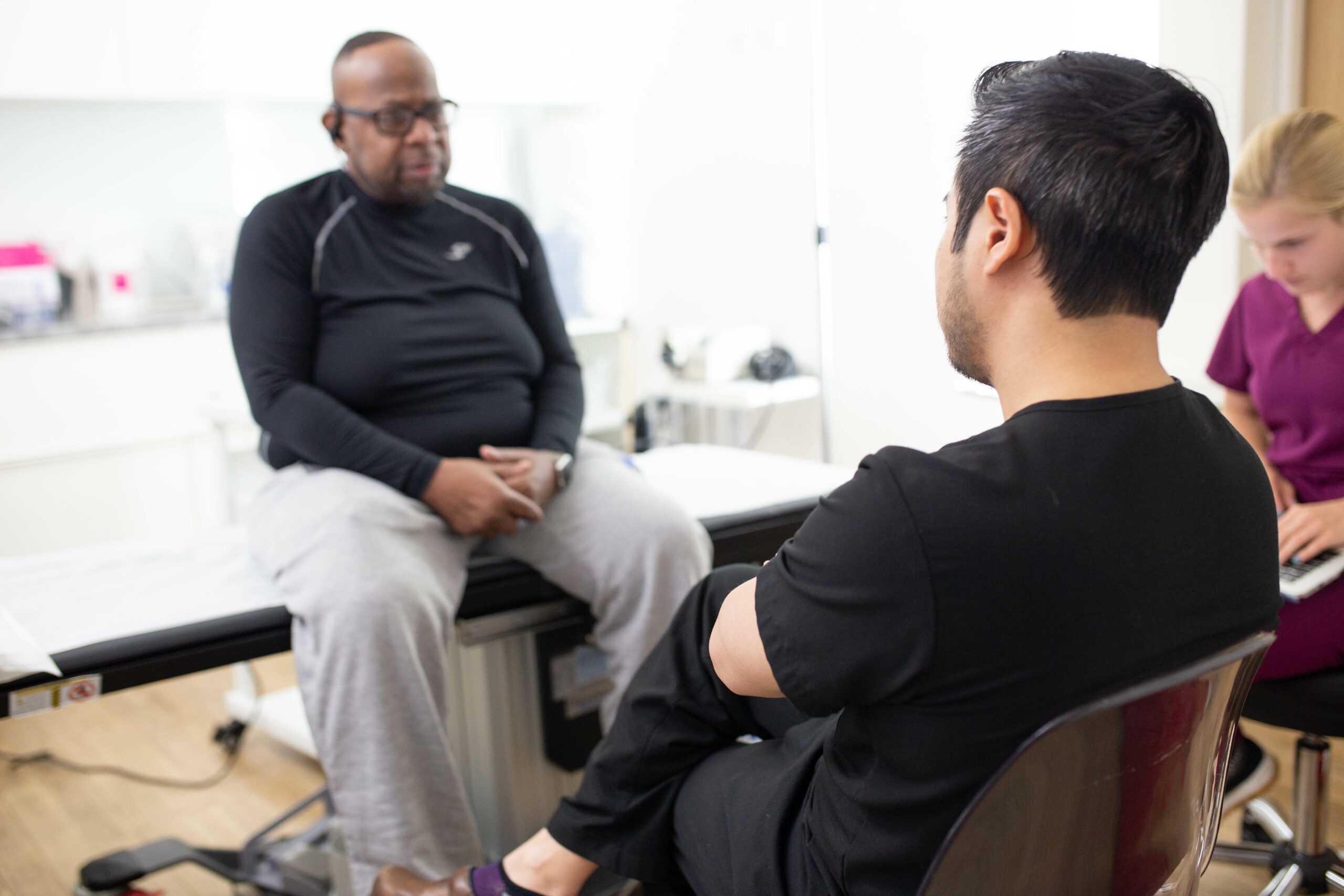
Acknowledge the situation the next time you feel pain or bad about something. It's as simple as saying, "I've been having a headache for three weeks, and I don't feel well." Or if you're going through something emotional, you can say, "I feel down at work." Say it in public. By categorizing what you're going through, you're not just going to feel better about the situation; it is more likely that a solution will be found. The last thing you want is to pretend you're fine when you're not.
Some people are good at pretending they're okay. They convince everyone that everything is fine, and this is not something to be proud of; it can even have serious negative consequences. Physical pain can threaten your vitality, and emotional pain can threaten your will to live. So instead of keeping your ailments hidden, talk about them.
What Should You Do to Keep Going?
Continuing is more important to me than how much progress I have made. I'd rather always have good feelings than great ones; it makes life more interesting for me.
Here are some of the things I do to keep going:
1. When I don't feel energetic, I work less, or I don't work at all
I work better when I feel good, and I do more in one good day than I do in five days when I feel good.
In terms of efficiency, it doesn't make sense for me to work when I'm not satisfied; I'm not a grumbling person, and if I'm in some pain or a little tired, I'm working.
I talk about feeling so bad that you can't think; when it does, it's time to take time off, and if others don't respect it, they should not work with them in the first place.
2. I don't pressure myself
When I set my goals, but don't succeed in achieving them, I ignore them, I don't give anything bigger than its size, whether I don't get the house I want, or I feel too old, or my side project fails. It is enough that I am alive.
3. Adhere to my most important habits
Meditation, exercise, reading, and sleeping are essential things for me. If I have the opportunity to earn more money, but I have to give up any one of those habits, I will give up this opportunity. When I stick to my important habits, I feel so much better, so why sacrifice that?
4. Don't take life too seriously
Humor is truly the best medicine for emotional pain. When you're feeling down, find ways to laugh. Make fun of yourself, watch comedy shows, spend time with a funny friend, and do something that reminds you how simple life is. Not everything has to be so serious.
In conclusion
Most importantly, I ask for help when things aren't going well. I prefer to let go of my pride and tackle small problems early on so they don't become huge. When your challenge is minor, deal with it, and you'll avoid a bigger problem.




Add comment