



So, if you are looking for new ways to help manage your daily stress, here are 8 ways you can try.
Effective Ways to Control Daily Stress
1. Avoid stimuli
If you feel more stressed during your days, maybe you should drink less coffee, and if you smoke, you should quit too.
Quitting completely may be difficult at the moment, but even reducing your consumption of stimulants would help. Although they may seem like effective coping mechanisms, nicotine and caffeine can increase your stress levels and make you more irritable throughout the day. Instead of drinking coffee, prioritize a healthy sleep schedule.
While some stressors can make you crave a stimulant at the end of a long day, they can make stress worse, especially if you wake up unable to multitask during the day.
2. Stop saying “yes”
Some feelings of extreme stress are related to your obligations to others. If you have people who depend on you at your job, at home, or in your social environment, you may feel that you have to agree to more than you can handle. In this case, you should prioritize before you become overwhelmed.
It may be time to take a step back and focus on the things that matter
Author Nora Roberts deftly touches on the topic of prioritization. When you have a lot of priorities, identify the really important tasks and those that can be postponed. Maybe this important task at work is a priority you can't let go of. At the same time, volunteering is certainly something to put off, but attending your child's play that they have been rehearsing for all semester is definitely an important priority. Managing stress is crucial to a healthy lifestyle. So, don't feel guilty about stepping back and re-evaluating what you can handle.
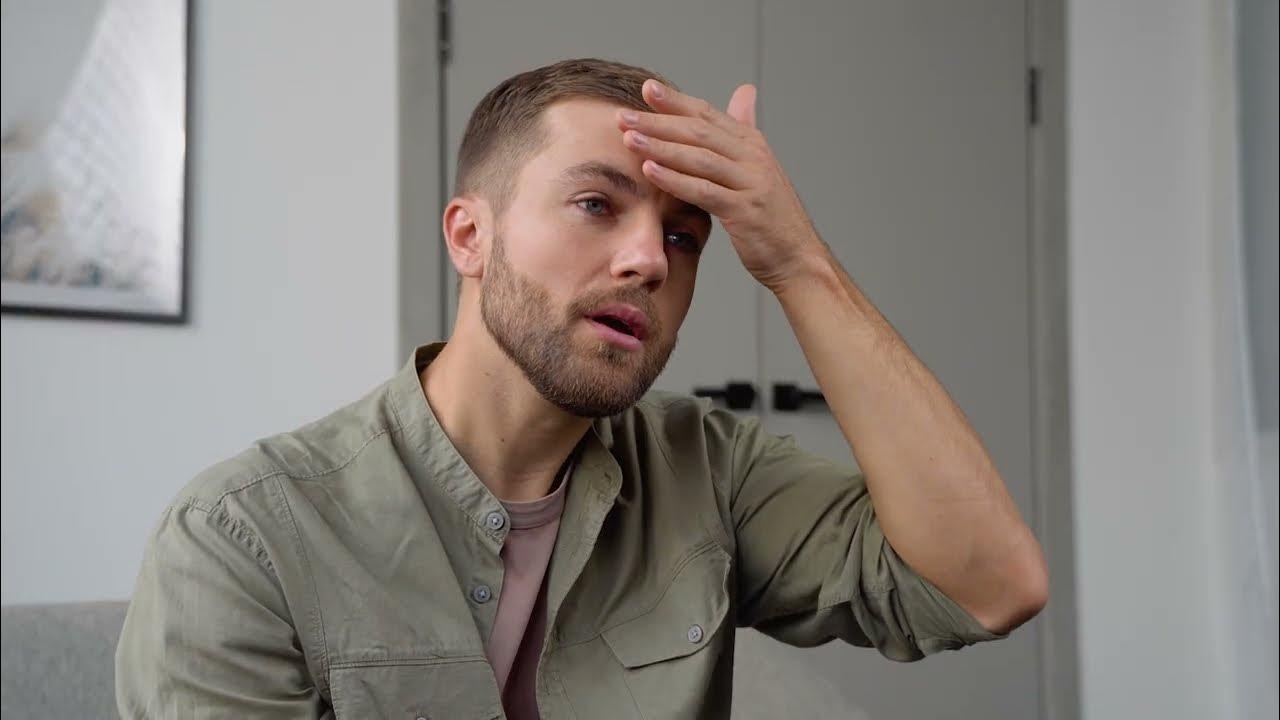
3. Comfort
When you have a lot of tasks that need to be completed, rest may become a secondary item on your list. However, if your mind and body need a break, you will not perform at your best. Rest is crucial when you are physically ill, and you must count it as crucial when you are going through periods of high stress.
Sometimes, avoiding the things that cause you stress can give you a more objective view of the problems and challenges that cause your anxiety. So, putting some distance between you and them can help you get to the solutions much faster than you would have otherwise.
Neglecting to rest for long periods of time can lead to burnout, in which case your efficiency will drop anyway, which can cause more stress. It may be difficult to turn off your mind at first, but taking the time to relax can be the dose of energy you need.
4. Time management
If you lack organization in your day or work schedule, you may not be working efficiently. As a result, you may not see the progress you thought you would make, which can cause more stress. Without managing your time, you may be more prone to distraction. To avoid this, organize your time with a daily and weekly schedule, and try to be realistic.
A work plan might say you have 24 hours to work, but you know how many breaks you need to rest; you know roughly how many hours you need to spend with family, and you know you need to schedule temporary breaks for emergencies or other things that can pop up, like car problems.
Once you've made the changes to how you manage your time, stick to them as much as possible. That way, you don't get stuck on any task and avoid mistakes as much as possible. Once you have a routine, you'll find it easier to move from one task to another because your mind and body will adjust, and you don't need to exert precious willpower to move on to the next task or resist constantly browsing websites on your phone.
5. Ask for help
When stress makes it difficult to do your job, don't be afraid to ask for help. It may be different for everyone, as you may have a lot at work, your colleagues are busy, or your family at home may not contribute as much, or you may need to come to an agreement about taking on fewer household responsibilities while you learn to manage your stress better, as the people in your life probably won't know you're struggling until you ask for help.
While a reallocation of tasks can make stress management easier, sometimes it isn't enough. If you're having trouble managing stress on your own, you may need to get help from a professional. Talking to a therapist can help you identify the sources of your anxiety and how to deal with them in the future.
6. Identify your stress triggers
If you know the situations that cause you stress, you can avoid them. You may not be able to avoid them all of the time, but you can regain some control. If a busy workspace gives you anxiety in the morning, take some time to tidy up your desk before you leave in the afternoon.
If a particular aspect of your job causes you more anxiety, you may be able to switch between your tasks until you feel more comfortable. If your workplace becomes distracting, try using an empty conference room or see if you can work from home one or two days out of the week. Stand up for yourself, especially when it comes to mental health.

7. Exercise
Exercise helps improve your mood, which can make a big difference if you're battling anxiety. While you may not have a lot of motivation to exercise when your schedule is full, a brisk run or swim can make a big difference in how you feel at the end of the day.
Moreover, moving your body can be a great way to allow your subconscious mind to find solutions to problems you face in both your work and personal life. It can also be a social activity that helps you and your friends achieve your fitness goals.
Isolation or loneliness can have a significant impact on mental health. So, finding a walking group, or a workout buddy is a convenient way to achieve two goals that can help you tackle anxiety. While going to the gym is great, you don't need fancy equipment or an expensive subscription to get a good workout. Many ways to exercise are in the comfort of your own home, and many of the courses are available online or on apps for free.
8. Make use of your hobbies
When things get stressful, taking up your hobbies is a great source of stress relief. Whether you're knitting, dancing, or doing any other activity, taking time for yourself can greatly reduce symptoms of stress.
Depending on the hobby, you might come out with a great job, but you have to not associate your value with your productivity because it's becoming more and more common for creative people. If you judge yourself based on the things you produce, something you love can turn into just another source of stress.
In conclusion
Do not worry that you only have two hours a week to dedicate to developing your talent. If you think this way, it is better to work on a hobby that does not produce a material component of your efforts. The alternative solution is volunteering. Since there are many ways you can donate your time and skills, during life changes and huge, unprecedented world events almost everyone will deal with a lot of stress.
This may seem inevitable, but how you handle this stress is entirely up to you, and by using these 8 techniques and focusing on the things within your control, you can better manage your anxiety and boost your mental health in healthy and effective ways.




Add comment