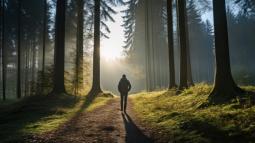



Nature guides us to care more about others and communicate with them as:
- Being in nature increases an individual's motivation to care for others.
- Nature strengthens one's sense of social connection, even when dealing with it alone.
- Reasons why nature directs people to be more connected with others include decreased self-centeredness and increased awe.
In fact, our presence in nature seems to guide us toward greater attention and communication with others. In a study from the University of Rochester, researchers asked participants to watch a slide show of either natural or artificial environments and then complete a questionnaire to assess their values.
Participants who watched nature were more likely to endorse other values related to connectedness and community and less likely to support self-focused values - fame and fortune - than participants who watched artificial environments.
In a separate study, the same researchers found that participants who spent time in nature were more generous with their money than others. These findings suggest that nature can make us less focused on ourselves and more concerned with others.
Nature also strengthens our sense of social connection, even when we visit it alone. Researchers from the University of British Columbia have instructed college students to be aware of the natural or artificial objects they have encountered daily for two weeks and to record how these things have made them feel.
At the end of the two weeks, students who paid attention to natural objects like the trees and roses they passed on their way to university had a stronger sense of connectedness and a positive social orientation than students who cared about rigid objects.
How does our existence in nature stem from our concern for others?
Why does our presence in nature increase our concern for and perceived attachment to others? Researchers aren't sure, but there are at least two possibilities:
1. Being in nature reduces self-centeredness
Researchers from Stanford University asked students to go for a 90-minute walk in a green space overlooking San Francisco Bay or on the busiest streets in Palo Alto, California. Those who walked in the natural environment reported lower levels of rumination than those who walked city streets. Those who walked in nature showed low activity in a part of the brain involved in self-focused thinking.
While we need to look further for the link between rumination and a sense of connection, “coming out of our situation” can increase our ability to think centered on others and strengthen our bonding.
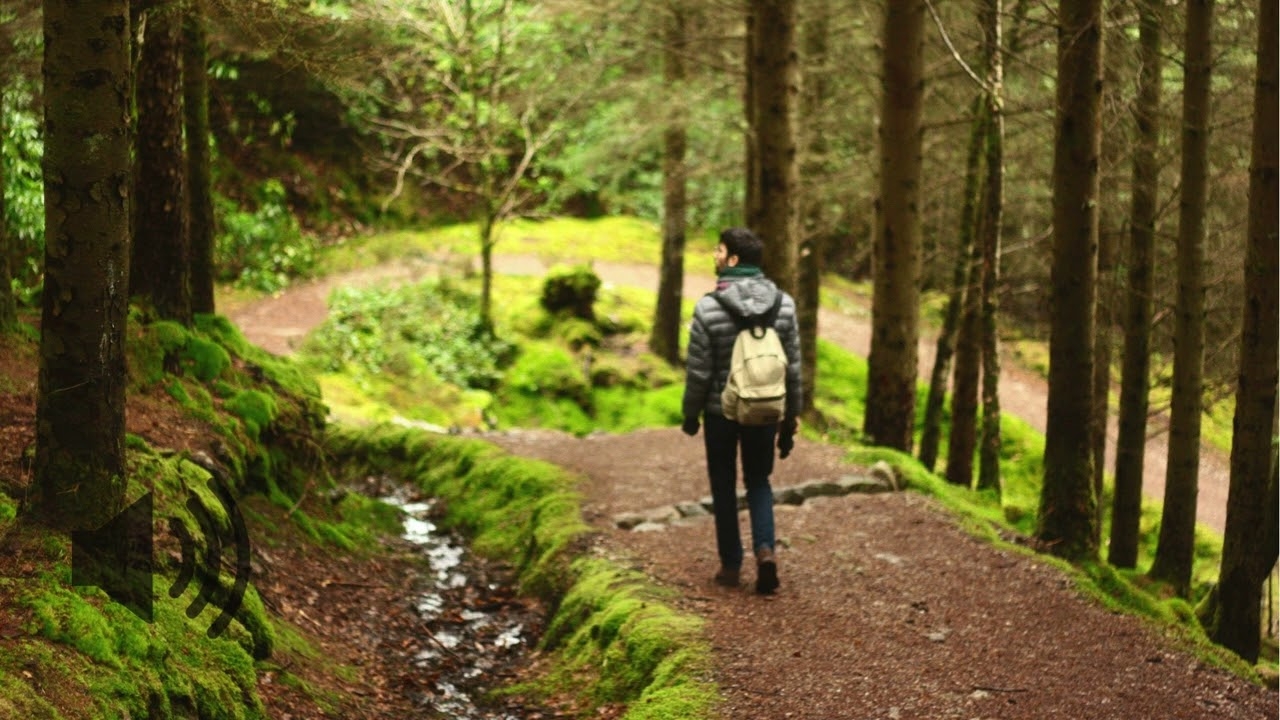
2. Our presence in nature increases our sense of awe, which reduces our sense of self
Nature often evokes awe, a sense of something great beyond our understanding of the world. Research shows that awe reduces our sense of self; this may prompt us to be more caring and helpful toward others.
In one study of awe, participants were asked to either look at a grove of tall eucalyptus trees or observe a high-rise building. Then, those who looked at the trees reported being less deserving and self-important than those who looked at the building. Those who experienced a sense of awe were also more helpful to the person in need.
Other studies show that a sense of awe can make us feel more connected to others and humanity as a whole, as the researchers note, “awe moves people away from being the center of their individual worlds toward focusing on the broader social context and their place in it.”
The bottom line
If you want more connection in your life, get in touch with nature, watch the sunrise, walk barefoot on the grass, or watch a nature documentary online. This can divert your attention from yourself and remind you that you are part of a larger world.


Add comment