



This article begins a journey through time to explore the origins of sign language and reveal the complex development that led to its creation as a vital way of communication with deaf individuals worldwide.
From the early stages of natural gestures in small groups to the formalization of sign languages in educational settings, the development of sign language is a testament to human adaptability and the innate need to communicate. As we delve deeper into the different stages of its emergence, we will reveal the role of deaf communities, deaf schools, and the broader cultural context in shaping complex sign language.
Join us in exploring the silent symphony that is sign language, a powerful and expressive form of communication that bridges deaf people and reflects the flexibility and creativity inherent in the human quest to communicate. Through historical lenses and cultural perspectives, we aim to illuminate this fascinating sign language development in a world dominated by spoken words.
What Is Sign Language in Its General Sense?
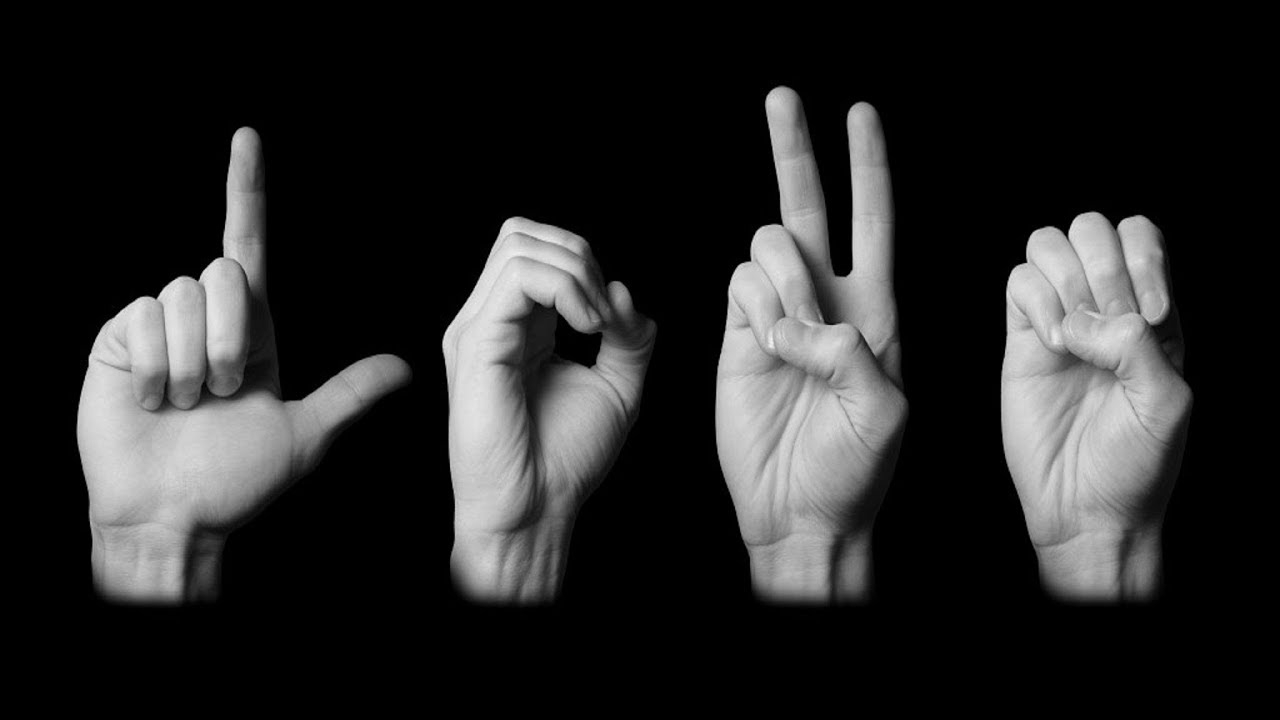
Sign language is a complete and complex language with its own grammatical rules and structure. It is not just gestures; it has linguistic structures similar to spoken languages. In sign languages, different hand shapes, movements, and facial expressions convey different linguistic elements, such as nouns, verbs, and adjectives.
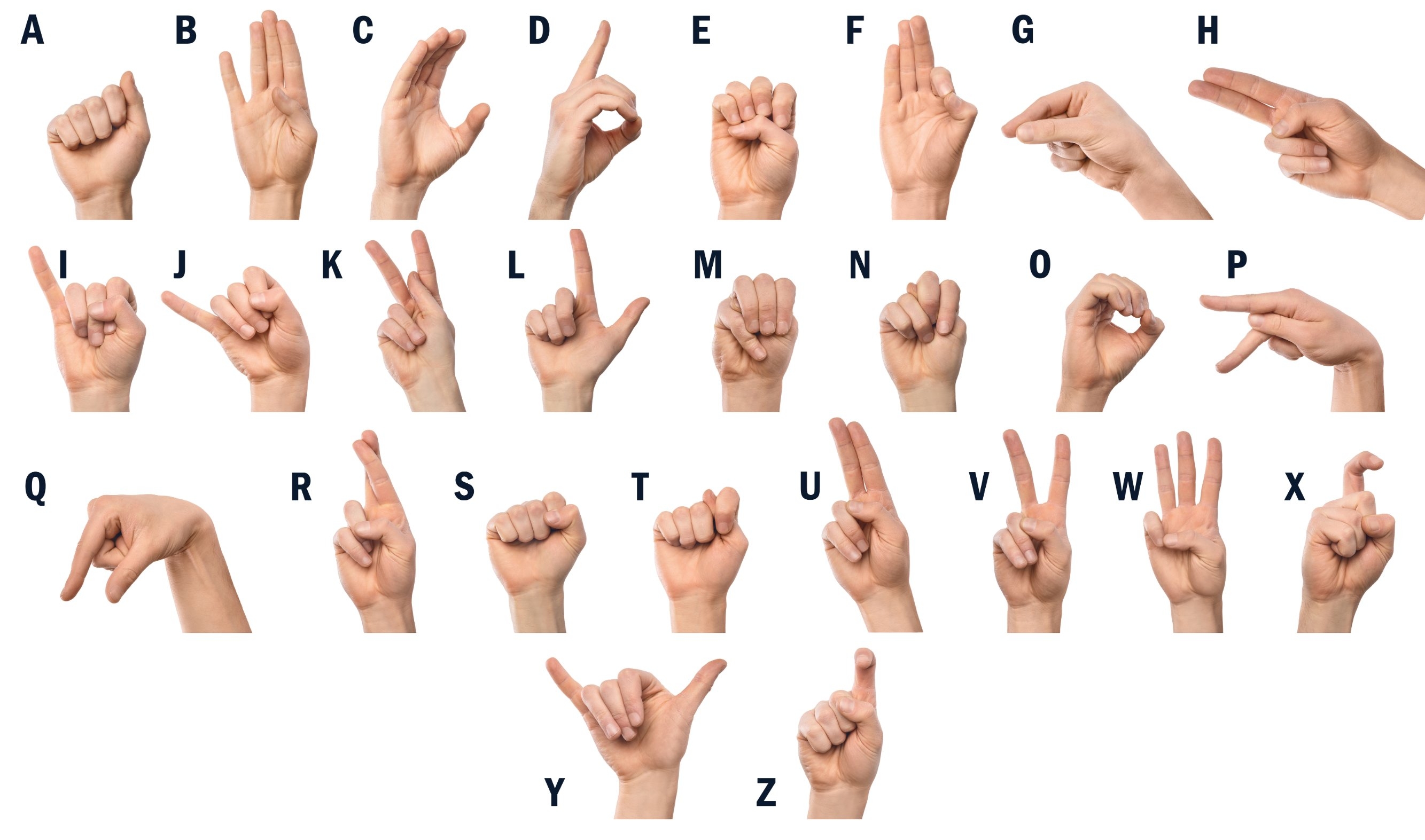
Deaf communities around the world have developed their own unique sign languages. Examples include American Sign Language (ASL), British Sign Language (BSL), and Auslan (Australian Sign Language). It is important to note that sign languages are not universal. They vary between regions and countries.
In addition, sign languages are not limited to manual communication; they involve the entire body. Facial expressions and body movements convey nuances, emotions, and grammatical information. Sign languages provide a rich and expressive means of communication for deaf individuals, facilitating meaningful community interaction.
Number of Deaf People in the World
Estimates of the number of deaf individuals worldwide might vary due to factors such as definitions of deafness, data collection methods, and regional disparities. However, the World Health Organization (WHO) indicates that approximately 466 million people globally suffer from disabling hearing loss, such as individuals with varying degrees of hearing loss.
Not all individuals with hearing loss are classified as culturally deaf. Some may use something other than sign language as their primary means of communication. The number is subject to change. It is important to refer to the most recent data available for the most accurate estimates, but these estimated numbers reflect the broad segment that uses sign language.
What Are the Stages of Sign Language Development?
The emergence and development of sign languages are complex processes shaped by the needs of deaf communities and patterns of communication over time. While the specific details may vary, here are the general stages through which sign languages can be said to have evolved:
1. Spontaneous gestures
In the absence of formal sign language, deaf individuals likely relied on natural gestures for basic communication. These early gestures were intuitive and spontaneous and served as a means for deaf individuals to convey simple ideas within their immediate social circles.
2. Development inside the home
When deaf individuals interacted with their families or small groups, they likely developed informal gestural communication systems known as “house signs.” House signs were personal gestures created to convey specific meanings and reflect family members' immediate needs and experiences.
3. Deaf communities
As deaf individuals gathered together in larger communities, house signs evolved into more standardized forms to facilitate communication between a wider group of people. Shared experiences and the need for more inclusive communication likely contributed to the development of sign language within these communities.
4. Schools for the deaf
Establishing schools for the deaf was a pivotal point in the formalization of sign languages. Teachers and students in these schools played a crucial role in improving and standardizing sign languages, often adapting and expanding existing systems.
5. Deaf culture and identity
Deaf communities linked by shared experiences and unique cultural identities have contributed to the organic growth of sign languages. Sign languages have become tools for communication and essential components of deaf communities' cultural and linguistic identity.
6. Recognition and documentation
Linguists and educators have recognized the legitimacy of sign languages as distinct linguistic systems. They made efforts to systematically document the study and preservation of sign languages, contributing to their official recognition and promoting a deeper understanding of their linguistic structure.
7. Technology and globalization
Modern technology, such as video-sharing platforms and online communities, has played a transformative role in the globalization of sign languages. Deaf individuals worldwide can now communicate, share, and collaborate, contributing to the continued development and enrichment of sign languages.
In short, the emergence and development of sign languages involves a dynamic interaction between cultural, social, educational, and technological factors. Each stage contributes to the complex fabric of these unique and expressive forms of communication within deaf communities.
How Did Sign Language Contribute to Integrating Deaf and Mute People into Society?
Sign language played a crucial role in integrating the deaf into society in several areas, perhaps the most prominent of which are:
1. In the field of communication
Sign language allows deaf individuals to communicate effectively with others, such as those who do not know sign language. This facilitates interactions in various contexts, such as education, work and social settings and contributes to a more inclusive society.
2. In the field of education
Sign language has been an integral part of deaf education. It has allowed deaf individuals to access information and participate in learning environments. Deaf students who use sign language can participate fully in educational activities, promoting better academic outcomes and a sense of inclusion.
3. In the field of employment opportunities
Proficiency in sign language enhances employment opportunities for deaf individuals by enabling effective communication in the workplace. As workplaces become more inclusive and diversity-conscious, sign language may bridge communication gaps and promote equal access to employment.
4. In the field of cultural identity
Sign language is a vital component of deaf culture. Contributing to the unique identity of the deaf community, embracing and recognizing sign languages as legitimate language systems helps preserve and celebrate the rich cultural heritage of deaf individuals.
5. On social integration
Sign language allows deaf individuals to participate in social activities actively, reducing social isolation. By facilitating communication between deaf and hearing individuals, sign language promotes inclusivity in social gatherings, events, and public places.
6. On legal recognition and rights
The recognition of sign languages in legal contexts and the recognition of the linguistic and cultural rights of the deaf community contribute to the comprehensive integration of deaf individuals into society. Legal recognition often improves accessibility and accommodation, ensuring that deaf individuals can participate fully in various aspects of civic life.
7. In advocacy and awareness
Sign language serves as a powerful tool for advocacy and raising awareness about the needs and rights of the deaf community. Increasing awareness promotes a more inclusive stance within the community, which challenges stereotypes and promotes understanding.
Overall, sign language serves as a bridge to facilitate communication, education, employment, and social participation for deaf individuals. Its recognition and use significantly create a more inclusive and equitable society for people with hearing differences.
In Conclusion
In tracing the fascinating journey of how sign language emerged, we have explored the silent worlds of human communication, from early instinctive gestures within close-knit societies to today's standardized and expressive sign languages. Our investigation has revealed a narrative as diverse as the cultures from which it emerged.
Born out of necessity and improved through the collective efforts of deaf communities, sign language has not only become a lifeline for those navigating a world without sound, but it has also evolved into a testament to the flexibility and adaptability of human communication. Establishing schools for the deaf and recognizing deaf culture highlights the collaborative efforts that shaped sign language into the rich and sophisticated language we know today.
As we reflect on the origins of sign language, we recognize its pivotal role in promoting inclusivity, education, and cultural identity. The silent signs developed over the centuries have empowered deaf individuals in their daily lives while also becoming a source of inspiration, challenging societal perceptions, and contributing to a more interconnected world.
By understanding how sign language emerged, we gain insight into the past and a deep appreciation for the diversity of human expression. Born out of necessity, silent language has transformed over time into a powerful form of communication. This reminds us that there are endless ways to hear within human interaction.




Add comment