



Note: This article is taken from the blog of Joseph Pennington, who shares his personal experience with bioenergy.
We always look to the mind for a solution when we investigate mental health issues and consider how to overcome them. However, the mind and the body are influenced by each other equally.
According to modern science, the "mind-body relationship" is far closer than previously thought. Heart rate, blood pressure, tense muscles, posture, facial expressions, and physical state all affect our emotions, thoughts, and even behaviour.
Therefore, if psychological therapy treats mental problems by exploring the mind, and physical therapy treats muscle problems by addressing the body, then mind-body therapies like "bioenergy," introduced by Dr. Alexander Lowen, treat the mind through exploring and addressing the body. In bioenergy therapy, patterns of neural holding, such as anxiety, fears, and repressed emotions, are explored and released through effective bodily expression.
These expressions, which involve particular breathing, movement, and body positioning techniques, help to release accumulated tension in the body, disabling repetitive movement patterns and relieving hidden muscle tension.
The founder of bioenergy therapy, Dr. Alexander, lists a plethora of emotional and physical benefits, some of which include easing chronic muscle tension, stress, depression, anxiety, insomnia and improving sexual activity, emotional expression, and happiness. So, let's look at some ways to incorporate bioenergy therapy into your life, whatever your goals may be.
Harmonise More with Your Emotions
Our culture believes all issues can be resolved by considering all relevant variables and influences. This is annoying because self-control and willpower are limited resources that are exhausted throughout the day due to disagreements, choices, and diversions.
When our minds are fatigued, we believe that our energy is gone. We seldom stop contemplating how our physical selves impact our mental faculties. Making tough choices, managing anxious clients, and discussing ideas with coworkers or family members are all short-lived mental experiences, but they have long-term physical effects. Therefore, even though we have spent the entire day sitting in a comfortable office, we feel physically exhausted at the end of the day.
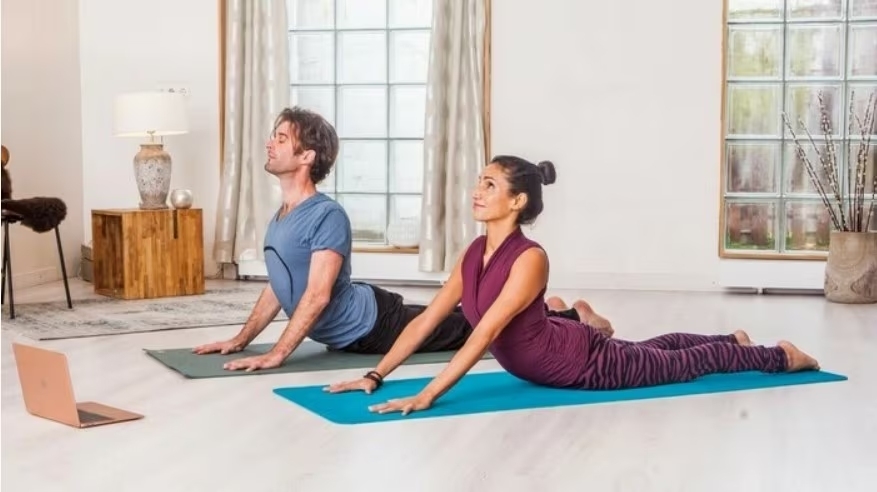
Engage in these morning or daytime exercises to help your body release tension and energy:
- Stand with your feet shoulder-width apart and your arms hanging down by your sides.
- Start moving different body parts and explore different and unusual movement patterns.
- Breathe deeply to help distribute oxygen and relax tense muscles.
Focus on the Present Moment
The body's tension and muscle pressure result from gradual energy build-ups from past events and experiences. As with letting go of negative experiences and thoughts, you can start embracing stronger emotions that come up in the present when you start freeing your body from the past weight.
You can try accomplishing this through conversation, but it will only have limited success because words are just ideas, and ideas don't affect the body like physical movements do. They may help you realise the stress affecting your shoulders or stomach, but you can do that and much more through some movements:
- Stand with your feet shoulder-width apart and your arms up in the air.
- While keeping both feet on the ground, start making small jumps and repeat the word "hah."
- Let out a loud sound from within you each time your feet strike the ground. Your whole body should move. Do this for a few minutes.
Concentrate on the present moment to let go of negative thoughts and become more in tune with your body. Then, you will soon find relief from tension and an acceptance of your current circumstances.
Increase Energy Levels
Have you ever seen a movie where a psychologist is sitting on a big chair, and the patient is crying uncontrollably because of their issues, then after a while, starts smiling?
The body's stored tension and trapped energy are unlikely to be released in today's fast-paced world. We sleep, drive cars, sit at desks, go to coffee shops, and repeat. So, we use our bodies' free energy in an unbalanced way when we engage in this repetitive behaviour and the repetitive movements that comprise it, like eating, writing, walking, and sitting.
This doesn't just result in poor posture; we also forget how our bodies can move outside this limited range, quickly leading to lethargy, fatigue, and decreased energy levels.
Therefore, break repetitive movement patterns and fill your body with oxygen through the following steps:
- Bend your knees slightly, lean back, and place your hands on your lower back.
- Relax your back and chest muscles, look forward, open your mouth, take a deep breath through your nose, fully expand your diaphragm, and exhale forcefully.
- Don't worry if you start shaking, as it means your body is trying to release muscle tension. Continue for several minutes.
In Conclusion
Bioenergy is about living a better quality of life, not just problem-solving. Although this practice might initially seem a little odd, our bodies are made for much more than just watching videos and browsing social media. Experience bioenergy and harmony right now, not with what you think you want, but with what your body truly desires.




Add comment