



Note: This article is based on the work of Darius Foroux, in which he tells us about his experience applying the 80/20 rule for effective thinking.
Sometimes I say that actions speak louder than words and that you can never succeed without taking action, and other times I say that if I act without first thinking things through, I might make mistakes.
If your thinking doesn't result in action and achievement, it is useless, and if you just act without thinking, you might find yourself in a sticky situation. This is why the thought-action ratio is so crucial, but the majority of us never give it any thought.
I Live According to the 80/20 Ratio
Before I explain why this is the case and how you can come up with your own ratio, let's take a look at two of the most well-known people of our time: American investors Warren Buffett and Charlie Munger. Both are renowned for making wise decisions and having a systematic approach to investing, and they are both successful businessmen as well as thinkers.

What Are You Doing?
It is well known that Warren Buffett spends most of his time reading and reflecting, and this is what he does as soon as he enters his Omaha office. Buffett reads books, magazines, annual reports, and newspapers for at least five hours every day, according to his biographer, Alice Schroeder.
For most people, reading seems like a kind of idleness, as there is no physical activity in it, and outwardly you seem to be doing nothing. I think this is the first problem in the challenge we tackle in this article, as Western society is biased towards work. Just think of how often people ask you this question: "What are you doing?"
You may have frequently heard this question at work, school, or home. Activity is the key because people constantly want to do something.
Given that we spend much more time acting than thinking, I believe that most organizations have a thought-action ratio of about 10:90. This is not an efficient ratio, if there is anything we can infer from Buffett-Munger's book. Buffett and Munger "habitually devote more time to learning and thinking than acting," claims author Peter Bevelin.
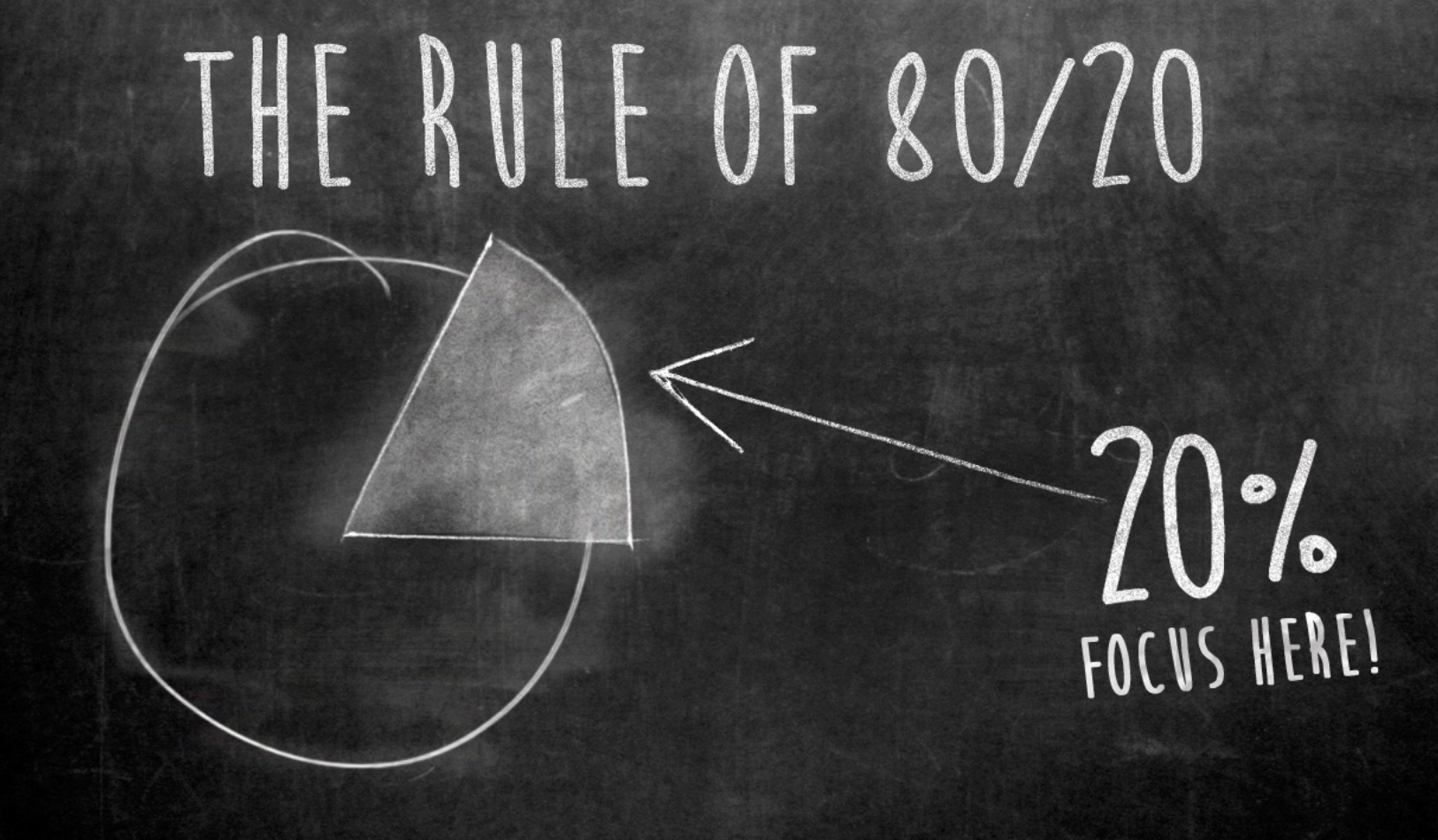
This indicates that these two men have an 80% thinking ratio and a 20% action ratio. To be clear, I'm only speculating here based on what I see, but Buffett and Munger have this ratio.
What’s Your Nature?
So, should we all spend 80% of our time thinking? This depends on two factors:
- Your nature.
- Your work.
Some people are natural thinkers, as they enjoy reflecting on things, reading, and discussing their ideas. In contrast, there are also those who dislike it, proving that everyone is unique. Given that you're reading this article, you might be a thinker. Otherwise, you wouldn't waste 5 minutes of your time reading this article.
However, our work also affects how much thinking we require. Buffett is a value investor who makes very few decisions, but when he does, they are huge ones. There aren't many professions like that outside of investing. The majority of us need to put more into practice, as we need to make calls, send emails, attend meetings, etc.
Therefore, even though I've discovered the ideal ratio that suits the majority of people, always keep in mind to consider your nature and work, as these two factors will determine your ideal ratio. But what about those who prefer action over thinking?
Writing 500 Books in 42 Years
One of the most prolific authors of the twenty-first century is Isaac Asimov. Pebble in the Sky, his debut book, was published in 1950. When he passed away in 1992, he had written almost 500 books. Even though some of his books were quite brief, they are still excellent references.
This implies that he used to write one book per month, which is a lot of work given that it appears that his work ratio was almost 100%. He may have been thinking and working at the same time, but most of us only do one of these two things.
Be Firm
We examined two extreme cases: Asimov worked nonstop, and Buffett and Munger spent most of their time thinking. Unfortunately, the extremes do not accurately reflect reality, but we can still learn from them. For me, this means that we must be firm.
Asimov wouldn't have written 500 books if he hadn't made a commitment to writing every day, and Warren Buffett wouldn't be as well-known if he hadn't placed large bets. Although the two men's lives are very different, they are both firm, which is the key to reaching your ideal thought-action ratio.
We care more about the quality of our thinking than the quantity. You are wasting your time if you are thinking 40% of the time while you're indecisive. On the other hand, if you are very firm and only think 1% of the time, you are effective.
The 80/20 Rule for Effective Thinking
I follow what I refer to as the "80/20 Rule for Effective Thinking," and I believe that for the majority of professionals in today's world, this ratio is adequate, though I have to constantly remind myself to work more than I think because I am a natural thinker.
Once more, the quality of your thinking is more important than the ratio. In the end, the quality of your thinking determines your outcomes.
In Conclusion
You can justify poor results, but you can't justify bad decisions and a lack of thinking. The reason is that while you have complete control over how you think and make decisions, you have no control over the results. The 20/80 ratio likely helps you avoid wasting a lot of time, money, and worry.
When we take the time to consider our options carefully, we are less likely to make poor decisions based on emotion, and when we are firm, we make a decision and stick to it. In the end, this is how we achieve our goals.




Add comment