



It is very difficult as a result of this to find an ideal mechanism to deal with adolescents, they are not children, and they are not adults at the same time; This is what causes suffering to both of the former parties and causes many psychological and social problems and disturbs the atmosphere of serenity and stability that prevailed in childhood; Is every adolescent rebellion or refusal to be considered a real psychological problem that necessitates the intervention of parents, specialists and therapists?
The behavior of adolescents is characterized by a little sharpness, rebellion, and independence, and this does not mean that they have any defects or psychological problems. Still, suppose the wrong behavior is repeated and accompanied by many disorders in mood, eating patterns, and some physical problems. In that case, we may be facing psychological problems that adolescents suffer from. We must intervene to treat it before it leaves traces in the psyche and personality of the adolescent, and it may be very difficult to erase it in the future.
Only mental health professionals or psychiatrists can assess and diagnose the problem to provide the necessary advice and treatments, whether cognitive behavioral or pharmacological in advanced cases. Therefore, given the great importance of this stage and its great role in determining the features of the personality that the adolescent will have later, we will talk in this article about the most common psychological problems in adolescents and methods of treatment.
What are the most common psychological problems among adolescents? How do we treat it?
1. Depression
Depression is one of the most common and most influential psychological problems among adolescents, and it may be a gateway to other problems and may lead to serious consequences if the parents don’t notice and intervene directly to find a solution. The symptoms of depression appear in the teenager through changes in his feelings and fluctuations between sadness and joy.
He is also dominated by feelings of indifference and unwillingness to participate in activities and social sessions with his peers and tends to isolate and sit alone the condition may develop so the depression becomes more severe and accompanied by episodes of severe anger, and these symptoms last for a long period of more than two weeks, and its symptoms are more severe and clear.

The reason is likely to be an emotional problem, the loss of a loved one, family quarrels, or problems at school. Even physical disorders may affect the adolescent’s psyche, causing depression. This does not mean that everyone affected by the previous cases has become depressed. In the case of depression, the adolescent’s influence is longer than It is supposed, and it could be accompanied by bouts of sadness and behaviors that are difficult to control.
It is noteworthy that only doctors and psychiatrists can diagnose, and of course, this diagnosis is based on the observations of parents and teachers, about 5% of adolescents suffer from depression, which is not a small percentage at all, and this psychological disorder includes many other disorders such as disruptive mood disorder, and depressive continuous disorder.
As we mentioned above, there are many reasons behind adolescent depression, some of which are related to genetics, lifestyle, and conditions experienced by adolescents, and some doctors believe that chemical abnormalities in the brain play a role in this as well.
There are also other medical opinions related to hypothyroidism or the presence of low levels of folate in the cerebrospinal fluid, in short, some factors and circumstances combine to push the adolescent and make him more susceptible than others to depression.
Symptoms of depression in adolescents
Symptoms vary according to the disorder that the adolescent suffers from. In the case of persistent depressive disorder, the episode of depression lasts for more than two weeks with a feeling of deep sadness, self-hatred, guilt, inability to integrate, and unwillingness to participate in activities that were previously a source of happiness.
These psychological problems are associated with physical problems as well, such as eating disorders that cause abnormal weight gain or loss. This affects body weight and plunges the teenager into a new cycle of self-loathing and lack of acceptance of appearance.
Adolescents due to depression also suffer from sleep disturbances, nightmares, hyperactivity, aggressiveness, or lethargy. These symptoms may lead to suicidal thoughts and affect adolescents’ ability to think, and affect their social activities and academic achievement. A teenager may need approximately a year to be treated for persistent depression, and it doesn’t need therapeutic intervention. Still, the depressive episodes may return, and in the case of persistent depressive disorder, we notice the same previous symptoms, but these symptoms are less severe.
Symptoms of disruptive mood disorder are summarized by persistent and recurring outbursts of anger that last for long periods, knowing that these symptoms are often accompanied by disruptive and aggressive behaviors, when parents notice the previous symptoms of one of their children in adolescence, it is necessary to consult the specialist to diagnose the condition accurately, based on questionnaires and observations of the doctor, parents and teachers, then judge the adolescent’s condition and assert that the condition is depression or only a normal response to the situations he is going through.
Treating depression in adolescents
Psychotherapy is used to solve the problem of depression in adolescents, and psychotherapy sessions should be conducted by experienced professionals, and it is preferable to give antidepressants and medications with these sessions, group therapy is also recommended in addition to individual therapy, and instructions must be provided to the family so that they can provide appropriate and effective care.
2. Anxiety
It is one of the common psychological disorders among adolescents that carries many bad effects for the teenager and affects the quality of his life and the shape of his relationships, so you find his ability to mix and form friendships has declined; This affects his social life and his psyche a great deal.
Anxiety in adolescents has its effects on school and its ability to focus and to achieve as well. The treatment of anxiety in most cases does not need medicines, and many times the problem is solved by talking with adolescents and listening to their problems and identifying the sources of anxiety then trying to find a solution, when the cause is absent, it will be absent the result.

3. Attention Deficit Hyperactivity
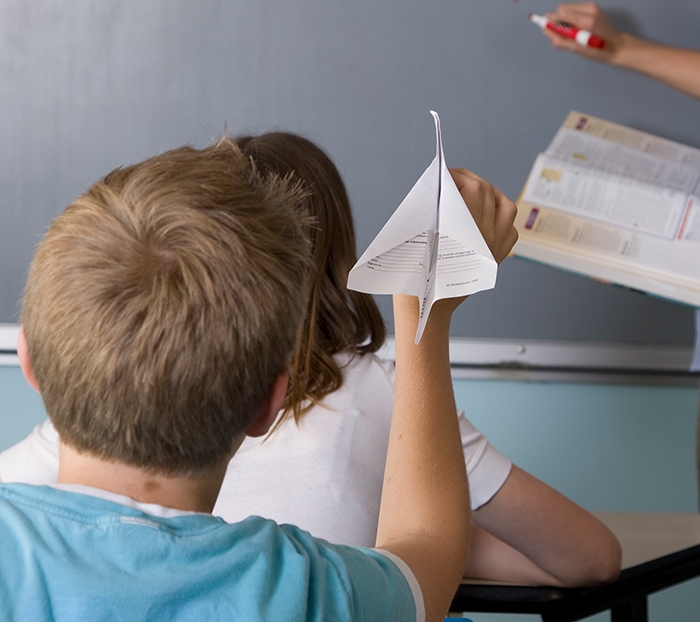
The roots of this problem start from childhood and become more difficult and more serious in adolescence; Because the teenager will be unable to sit still; This is what causes his thinking to be distracted, and he lacks the ability to focus and pay attention, so the dimensions of the problem are at their peak in the class because they have a great impact on him and his understanding of lessons, and make him a source of concern for his colleagues and teachers; This is what affects his relationship with them.
The treatment of the problem of hyperactivity and inattention in adolescents is through some medications prescribed by a specialized doctor, and for the treatment to be effective, the medications must be accompanied by cognitive behavioral therapy, and parents must also at home follow up the condition of their children and be patient as much as possible because the wrong treatment for any problem may make the mud worse and exacerbate the problem even more.
4. Eating disorders
Eating disorders are more common among adolescent girls than boys, and this problem may reach a serious stage that threatens life or causes serious diseases. The nature of these disorders varies from loss of appetite to intentional abstinence from eating and ignoring meals.
Although the causes of this disorder are not precisely known, but there are several helping factors, such as social or psychological pressures or a personal desire to have a perfect body, and genetics may also play a role in the injury, as treatment is always related to opening the doors of communication with adolescents and not leaving them to suffer alone.
Most important of all, do not trivialize their problems. If your teenage daughter feels that she is overweight and she is very upset about it, the problem should not be trivialized and reprimanded. Rather, it is necessary to work to raise her self-confidence and take her hand to exceed the standards of perfection, and make her at every moment draw her own standards, if the problem worsens, it is preferable always to consult the specialist.
It is worth noting that the affliction of adolescents with these psychological problems results in many wrong behaviors, such as blind imitation, which we find widespread among adolescents, and the roots of this behavior are often traced back to the state of dissatisfaction with the self that afflicts adolescents due to a psychological problem, so you find them trying to compensate for this Imperfection by following someone, who is - more often - a celebrity, and setting him an example, They act like him and imitate his way of dressing, his movements and even his way of speaking, and this blind imitation is not limited to imitating celebrities, as adolescents may imitate certain behaviors that are not consistent with the nature of our societies.

The great openness that the world is witnessing today due to the spread of social networking sites has helped spread this phenomenon; Here, the role of parents is clear in the necessity of following up their adolescent children and informing them of the cultures of the societies that they are affected by, helping them to choose the right habits and behaviors instead of the wrong ones, and introducing them to the nature and characteristics of each society, and above all working to make the teenager accept himself as he is, and love himself, to be permanently immune from any external influence.
Some tips for dealing with teenagers to help them overcome their psychological problems
It is worth noting that adolescence is a critical period in the lives of your children. So this stage should not be ignored; Rather, it must be given enough time and the necessary patience because everything you sow at this stage will reap in your son’s personality in the future. Building a psychologically balanced person capable of interacting within society is the responsibility of the parents.
Therefore, you must bear in mind that adolescents have special needs, starting with the necessity of living within a healthy home environment in which all means of care and love are available, to be a source of safety for the teenager to return to without fear or anxiety when he faces a problem or falls into a crisis.
In order to achieve this, we can offer the following tips:
1. Never infringe on the independence of the teenager
Or try to lock him up and restrict him with many prohibitions under the pretext of protecting him.
Protection is not by keeping the teenager between four walls; Rather, as a worthy person, you must allow him to go through life, touching everything in it, whether it is sadness or happiness, staying only one step away, this is what makes him feel his independence and makes you ready to intervene at the moment that requires it.
2. Do not treat the teenager as a child
Respecting his privacy is imperative and necessary in order for him to feel that he is a being to be respected; This increases his self-confidence and self-esteem.
3. Make the family atmosphere full of honesty and a lot of love
the teenager should feel that his parents are able to accept any mistake from him:
Here we focus on the word accept, not acceptance. Parents do not accept mistakes, but they have to accept them with open arms and make their teenage son feel that, for the teenager’s mistake does not cause the end of the world, and if he retracts the mistake, the key to survival will always be in his hands, no matter how difficult the consequences.
4. Share your teenage experiences with your teens
Tell them about the mistakes you made, this is what makes them feel safe and takes them away from fear when talking about their mistakes with you.
5. Do not ignore any symptoms that are out of the ordinary and familiar to adolescents
Observe their behavior and the various mood changes they are going through, and watch the way they eat and sleep, so in the event that specialists must intervene, one should never hesitate, this does not mean that the family should stand aside so that someone can play its role; Rather, parents should always search for reliable information about the problems of their teenage children and learn about the experiences of others in this regard.
In conclusion
As Gibran Khalil Gibran said: “Your children are not yours. Your children are the children of a life that longs for itself. They come to the world with you, but not from you.” This saying summarizes a lot of what we want to say in the end. Our whims and desires are not right, and often frustrate both parties.
Therefore, it is important to leave a space for them to live their lives as they like and choose, especially during adolescence; This is because it is the most important stage in the life of every person, and if the parents are able to take advantage of it and direct the energies of their children in the right way, they will completely eliminate the wrestling arena in which we find most parents have involved themselves with their children at this stage.




Add comment