



Indeed, it's far more complex than that. In fact, memory is an exceedingly intricate process, and experts are continually striving to unravel its complexities. However, delving into the workings of memory and the findings of current research can assist us in understanding how to enhance the efficiency of our memory.
Basics Of Memory Functioning
Neurons And Synaptic Connections
Memory primarily originates from the actions of neurons and neural synapses. Neurons are the nerve cells present in the brain, while neural synapses are the nerve connections that transmit signals from one neuron to another, forming the pathways that can shape memories.
This process occurs through neurotransmitters, which are chemical substances that enable nerve cells to transmit signals across neural synapses. These chemicals prompt nerve cells to send signals to other nerve cells through their synaptic connections. However, synaptic connections aren't permanent; the brain consistently alters its neural pathways, continuously shaping, fading, weakening, and strengthening them.
If you're looking to improve your chances of remembering something, strengthening these neural pathways is a good starting point. In essence: utilize these neural pathways to avoid losing them.

The Three Stages Of Memory
1. The Encoding Stage
We must receive any input through one of our senses before a memory of it forms, a process known as sensory input. We see someone or smell something to remember it later.
Encoding is the process of changing those sensory inputs so that we can store them as memories later on. There are three different ways in which encoding occurs: visual, auditory, and contextual.
Encoding takes place when visual inputs are converted into images or visual representations, auditory inputs into auditory representations, and contextual inputs into words. For example, you engage in visual encoding when observing a painting, auditory encoding when repeating someone's name to commit it to memory, and contextual encoding when jotting down your thoughts in your own words.
2. The Storage Stage
After encoding sensory inputs, the brain stores the encoded information as memories using two primary methods:
- Short-Term Memory: This memory type is located in the frontal cortex of your brain, situated behind your forehead. The brain can hold a limited amount of information in short-term memory before either transferring it to long-term memory or completely forgetting it.
- Long-Term Memory: Another primary method of memory storage involves converting it into long-term memory. This process entails consolidating a set of short-term memories together. It occurs when neural pathways are strengthened by increasing the number of signals, particularly in a brain region known as the hippocampus.
Different types of long-term memory exist, such as procedural (implicit) memory and declarative (explicit) memory.
Procedural memory doesn't demand conscious retrieval. For example, riding a bike falls under this category. This type of memory is implicit, meaning there's no need for deliberate recollection.
Conversely, declarative memory occurs when you can consciously recall numbers, representing a type of explicit memory. This means that we remember information consciously and deliberately.
3. The Retrieval Stage
The last phase in the memory formation process is retrieval, where you recall information previously encoded and stored through neural pathways. What makes this retrieval process interesting is that the information is never recalled exactly as it was when initially inputted or stored.
Retrieval resembles reconstructing what was encoded and stored, unlike replaying a video that remains unchanged with each playback. Retrieval is a creative act, requiring the brain to sift through various neural pathways to recreate memories. Thus, the accuracy of our recollection often depends on the competing signals sent by these neural pathways.
Recent discoveries by scientists have revealed that the retrieval process is significantly influenced by what the brain has forgotten.
The Importance Of Forgetting
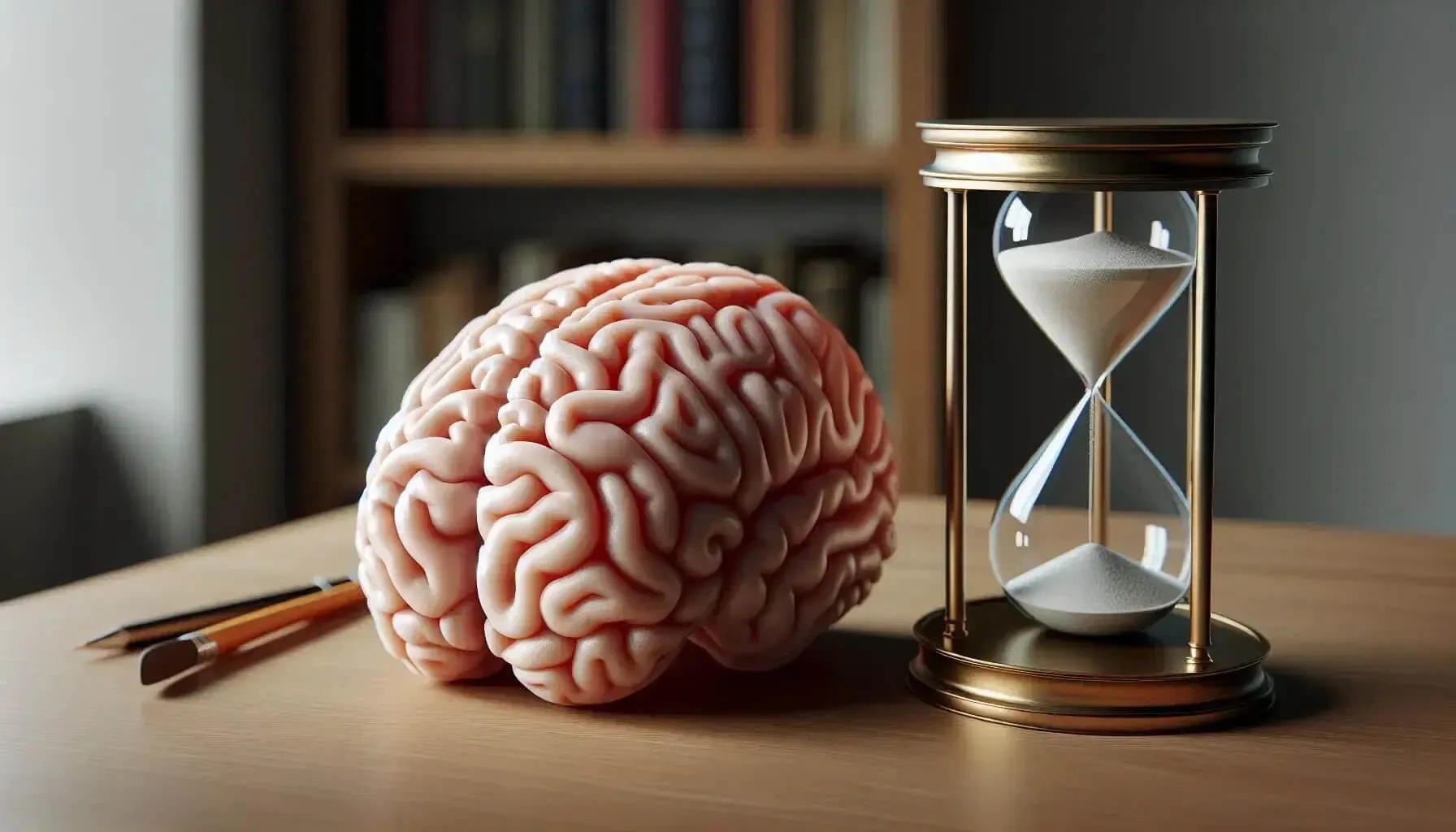
In recent research, scientists have found that neurons in the hippocampus region actively erase old memories during sleep. Some researchers now theorize that forgetting serves as an efficient mechanism in the brain, helping to clear unimportant information for better retrieval of essential data. They've identified a cluster of neurons in the brains of mice that remain active even during rapid eye movement (REM) sleep. These neurons suppress other neurons in the hippocampus, effectively erasing some memories during the dreaming phase of sleep.
This process might explain why people often struggle to recall their dreams, as an efficient forgetting mechanism takes place during sleep. Its purpose is to delete certain neural pathways and filter out some neural noise in the brain, making the retrieval of important memories smoother.
Now that we've explained the mechanics behind our memory, you can embark on enhancing the efficiency of your memory.
How Can You Optimize Your Memory For Better Performance?
1. Practice Different Encoding Strategies
Considering that the brain encodes information through three distinct methods—visual, auditory, and contextual—experiment with each of these approaches to see which resonates best with you.
Recognizing that every individual's brain is unique, with its billions of nerve cells and diverse memory types, it's sensible to understand that encoding won't be uniform for everyone. Thus, blend these encoding techniques: visualize, vocalize, and personalize the information to suit your cognitive style.
Many people consider auditory encoding to be crucial for long-term memory. Therefore, try converting information into a catchy song or repeating it aloud multiple times to embed it into your long-term memory.
2. Don't Rely Solely On Your Brain For Remembering
Your body might aid in forming certain memories, especially when considering procedural memory. So, don't forget to engage your whole body to enhance your ability to recall information more effectively.
So, get moving! Take a stroll, or why not dance a little while rehearsing the information you want to retain? In essence, incorporate physical activity into your memory formation process.
3. Pay Close Attention To Sensory Inputs
Memory recall begins with sensory inputs, so the more connected you are to your surroundings and the people around you, the greater the likelihood of remembering things.
Pay attention to your surroundings. Given that memory starts with sensory perception, put your phone aside and provide your mind with focused input.
4. Take Notes
Memory isn't flawless, it relies on encoding. Another effective way to boost memory is by jotting down notes.
Writing acts as a form of contextual encoding, but it's also a hands-on and active practice, engaging multiple areas of your brain in the process.
5. Ensure Getting A Full 8 Hours Of Sleep Every Day
As some scientists suggest that eliminating old pathways is essential for recalling other memories, it's important to give your mind a chance to declutter.
Therefore, ensure you get a restful night's sleep, allowing your brain the opportunity to clear out unnecessary pathways and enhance the retrieval of memories.

6. Practice Memorization Techniques
Memory is an active process, so make a habit of regular training to strengthen your neural pathways, enhancing your ability to remember the things you want to recall.
7. Exercise
Engage your body and allow oxygen to reach your brain. Research indicates that exercising not only strengthens memory but also reduces brain inflammation, enhancing the connectivity between nerve cells.
8. Recognize That Memory Retrieval Is A Creative Process
Now that you understand memory recall isn't flawless, leverage this insight. Practice retrieving information and remain open to others' interpretations of past events; acknowledging memory's imperfections is essential.
In Conclusion
How does memory function? Memory begins with sensory inputs and then progresses through encoding, storage, and retrieval processes. The act of remembering hinges on the strength of our neural pathways and the competition among them and other pathways.
The encouraging news is that the brain is adaptable. It undergoes its most significant changes when we're young, but it continues to be flexible throughout our lives, never ceasing to adapt.
The brain's neural pathways are in a constant state of flux, shaping and reshaping based on our experiences and interactions with the world. These pathways determine what information is deemed significant and how it's stored for future recall. So, be mindful of your sensory inputs, intentionally encode information, and then focus on integrating it into long-term memory.
Memory is a dynamic and intricate process, and the more we engage with it, the more robust and efficient our neural connections become over time.



Add comment