What is FOMU (Fear Of Meeting Up)?
Last week, I had two panic attacks in one day. However, since I've experienced actual panic attacks in the past, like the one I had while driving to a job interview last year, I realized these attacks weren't the same as those in the past and were instead caused by stomach cramps, which both times were a reaction to the idea of going out and meeting new people.
Note: This article is based on the blog post by Frances Dodds, in which she tells us about her experience with the fear of meeting people.
In the first panic, I received a letter from a dear friend whose wife had given birth to a child and the last time I saw them was before the pandemic. He invited me and my fiancée to see their newborn baby. Even though they lived practically far away from us, the trip was worthwhile to see a couple who brought a new human being into the world. Nevertheless, I experienced these cramps.
The second panic occurred during a video interview with my boss at work. He said that there had been some developments about returning to work in the office, after which he said that we would not return for a few months. However, between starting the conversation and informing me that we won't be getting back to work in the office right away, I experienced the same cramps.
I know I'm not the only one who finds it difficult to consider scheduling meetings or returning to office work, both of which require leaving the house, moving around, and spending the entire day around other people. Hundreds of thousands of people have died from the coronavirus, and the feeling of guilt that you could infect someone with weaker immunity than yours was enough to make you avoid social interactions. Also, we have to decide how to interact socially, taking into account people's different levels of comfort and anxiety about the judgments that will be made; who among us has not seen a very apathetic person and another who is paranoid, as a friend recently told me: "I'm more concerned about what people will say than I am about catching the virus."
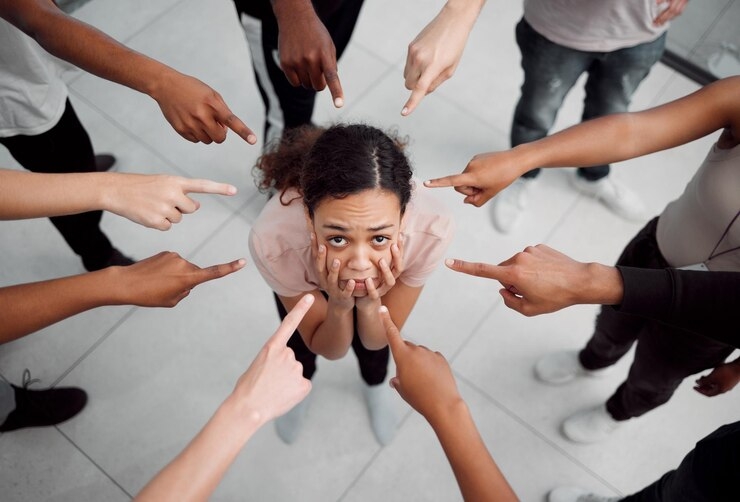
According to Rhiannon Staples, Director of Marketing at Hibob, an organization that promotes employee development and engagement, "We used to hear about FOMO ‘Fear Of Missing Out’ where people are afraid to miss out on events, gatherings, and experiences for fear of not being part of the action." However, the opposite has occurred since the pandemic's beginning, as people tend to avoid social gatherings as well as professional meetings out of their ‘Fear Of Meeting Up’ (FOMU). In a recent study we conducted on the Hibob platform, we discovered that 45% of American workers are uncomfortable about going back to working in offices.
There is a psychological component to it in addition to the fear of illness or the potential for infection transmission. Since I've been working from home for years, I've come to understand that the further away from others one is, the more difficult social interactions will be. Additionally, there are various definitions of what constitutes appropriate social interaction.
"It is reasonable that the Fear Of Meeting Up with people can be attributed to fear and social anxiety, as interacting with others has become restricted by new rules and boundaries that make people anxious when they try to understand them and set other rules and boundaries for themselves. However, if people do not trust those around them, it will raise social anxiety inside them, pushing them to stay at home," says Staples.
Finally, there is another factor that contributes to the Fear Of Meeting Up at work. Most people, I believe, do not want things to return to their previous state. Of course, they miss the lifestyle they had before the pandemic, such as their children going to school, being able to socialize freely, dining out, and attending weddings and events. However, they don't want to go back to working five days a week in an office, as the majority of them did before the pandemic.
Most employees are dissatisfied today because their employers did not take the remote work culture seriously. Transparency is essential, and employees require support and flexibility to feel confident.
In the past, workers were bound to a strict work model, and now that they spend so much time working from home, it's hard for them to adjust to a full-time work schedule. According to Staples, the pandemic will permanently alter workplace culture, so businesses must adopt reasonable compromises. She says, "A hybrid work model, in which some employees work in offices and others from home, can be a satisfactory solution to both problems: the feeling of resentment from daily contact with other people and the feeling of confinement at home in the case of remote work.
Companies can try alternating schedules, in which some teams come in for half the week and other teams work from the office the other days, or they can simply let the employees decide the days they work from the office. We at Hibob have developed a ‘work from office’ request in our platform so companies can manage who and when comes to the office.”
Our Fear Of Meeting Up and the stomach cramps that come with it will fade one day, but we hope that the work culture that has developed in which employers see employees as individuals with unique needs will not.