Social Psychology and Its Prominent Figures
A person’s life begins as an infant, driven only by needs. They spend most of the time sleeping, and if they need something, they wake up and start crying for it—this is the only way to express what they want.
However, human growth does not stop; it is not limited to physical appearance alone but also mental, emotional, and social growth. The child then takes another path to express needs, so instead of screaming and crying, they express through a set of socially acceptable behaviors, entering a new phase of dealing with the environment. Here, they succumb to the group and coexist with its behaviours.
This interaction with the social environmen begins in childhood and is very important in the formation of the individual’s personality. It could push them to modify unfavourable behaviors and acquire favorable ones - thus, giving the behavior a social character.
Psychologists have been interested in this interaction between the individual and society, its results, the psychological processes it includes, and the factors that affect it due to the nature of society, culture, customs, values, and even language. These studies are particularly at the heart of social psychology. Our article today will explore this philosophy, its history, its importance, and its most prominent figures.
What is Social Psychology?
There are several definitions of social psychology. In this section, we will mention some of them:
1. Krech and Crutchfield, 1948
"The scienceof behaviour of the individual in society. whether a family, school, or peers."
2. Lambert and Lambert, 1964
"An experimental study of individuals' behavior in different social situations. This study is not limited to the psychological aspect of the individual but also includes the social environment surrounding the individual."
3. Sherif and Sherif, 1956
"It is the study of the individual's experience and behavior and the relationship between these two aspects—experience and behavior—in social situations." They assert that focusing on one and ignoring the other, as did the previous scholars, neglects an important aspect of the individual's response to social situations.

Based on the previous definitions, we can define social psychology as "a branch of psychology that studies the systematic and scientific interactions that occur between an individual and others or what others represent, and the outcome of these interactions."
Accordingly, a person's behavior is the outcome of a variety of interrelated, dynamic factors that influence their behavior. These factors include:
- The psychological formation of the individual.
- The facts—customs, traditions, norms, and values—that exist in the psychological sphere of the individual. This refers to the environment in which they exist, which includes a set of facts and influences perceived by them and affecting their behavior.
Behavior is the result of the interaction between the individual and others, or between the individual and what represents others. The study of this behavior and the resulting values, principles, norms, and trends is in the field of social psychology.
The Importance of Social Psychology
We might question the value of social psychology in our daily lives. Putting it differently, what is its actual application? By considering the following, we can assess the relevance of social psychology:
- Our understanding of the field of social psychology concerned with studying the individual’s behavior in terms of influencing and being influenced by their social environment and the relationships that result from this interaction. Thus, we have a clearer and more comprehensive understanding of the nature of human relationships and the behavior of individuals that will inevitably differ despite their presence in the same social environment. We often wonder about the difference in the behavior of two siblings who underwent the same upbringing. Here, social psychology helps to understand an important point, which is that people’s perception of their surroundings is different and their behavior stems from this awareness.
- Social psychologists realize the importance of a person's sense of security and contentment in their social surroundings and in their interpersonal relationships. There is no doubt that a person who feels alienated from their social environment will live a miserable life. Therefore, social psychology scholars make a great effort to help individuals live happily with sound mental health and social relationships.
- Social psychology helps us understand an important point, which is that the judgment that we pass on to others should be according to their perspective, not our own. Here's an example: We may notice that some children are raised inappropriately, but if we take into account the child’s responses, behaviors, and the way they approach situations, they do not show any negative effects. This is due to the way the child perceives what they are exposed to—they perceive cruelty differently from us. They might be focusing on the reward they would receive for exhibiting certain responses, not on the cruelty itself.
- Social psychology helps improve social relationships. It first examines the nature of these relationships. If they are healthy yet unsuccessful, they proceed to find the underlying cause of the wrong response to the right relationship. For example, your colleagues may treat you nicely at work, yet you remain apprehensive and afraid of it. You are treated well but respond poorly; this is due to your past experiences that make you doubtful.
- The importance of social psychology is not limited to one aspect; it extends to all other aspects of life.
The Most Prominent Social Psychologists
Many scholars, thinkers, and philosophers have immersed themselves in the field of social psychology. In the following, we will mention the most famous of them:
1. Avicenna
Avicenna studied the relationship between mental illness and social behavior. He even believed that the basis of mental illness is social behavior, and he explained in many of his books the impact that the group has on individuals’ behaviors and attitudes towards themselves and others, as well as the great role that the group plays in their physical and psychological wellbeing.

2. Jean-Jacques Rousseau
Jean-Jacques Rousseau belongs to the class of thinkers known in the 18th century AD as the "Romantics," who rejected the idea of evil being innate in man. These ideas appeared clearly in his book, The Social Contract.
Rousseau spoke a lot about the good nature of man and how society plays a role in changing the nature of human beings to steer it towards evil. And that man, had it not been for society, would have maintained his good nature. People are born alike with similar needs, and they change because of the social environment. Society’s lack of respect for the individual leads to a distortion of their behavior.

3. Thomas Hobbes
In the 17th century, Hobbes proclaimed the evil nature of human beings and that man, by nature, seeks pleasure and avoids pain. Hobbes is considered to be the thinker who spoke the worst possible about the nature of man, as he believes that man is in a constant quest for control, dominance, and power. For this, he does not stop destroying others.

Hobbes said that no one can understand the structure of society if they do not first understand the psychological structure of individuals, their nature, and their anomalies. In his perspective, man has a great inner desire to control the behavior of others in society and seeks to subjugate and control them in order to preserve his own survival.
4. Gabriel Tarde
Tarde has done a lot of research trying to answer one of the most important questions in social psychology, which is why an individual's behavior when in a group changes from when they are on their own. This applies to most behaviors; for example, the way a person eats when alone differs from the way they eat when in a group. Tarde attributed the reason to the customs that the individual adopts to fit in with society.
5. Gustave Le Bon
Le Bon is the first to develop the theory of social psychology, which is the theory of The Crowd: A Study of the Popular Mind. It states that members of society unite as one body to defend their survival.
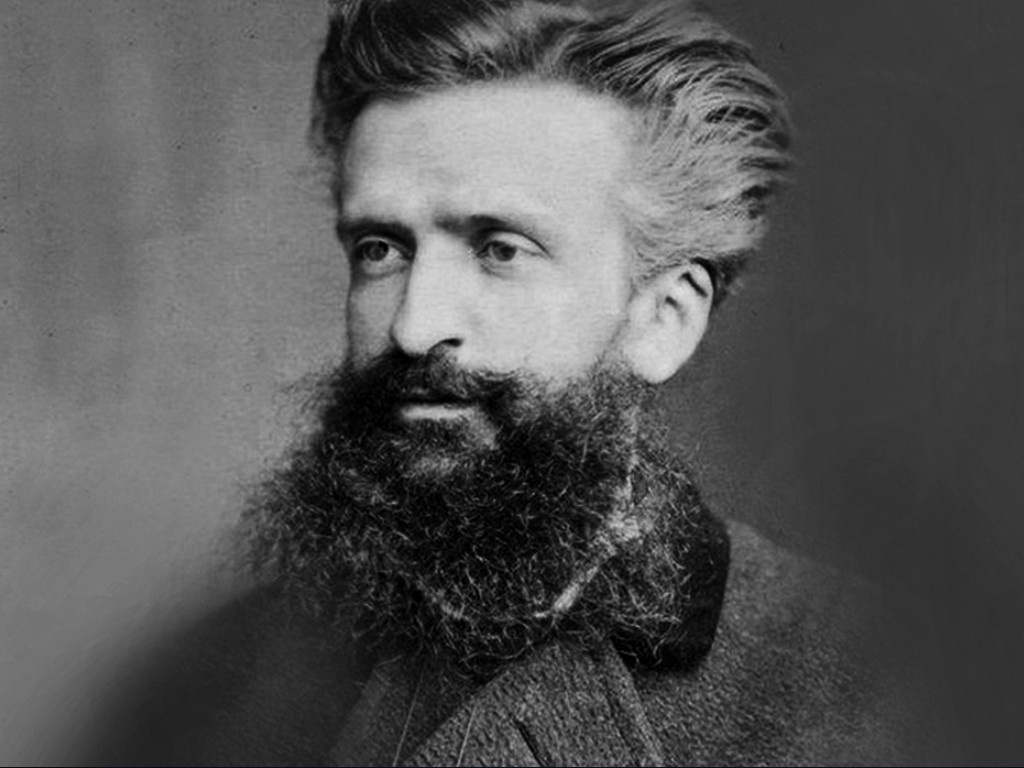
The behavioral characteristics of individuals when they are fused are completely different from the behavioral characteristics of individuals when they are isolated from each other. Le Bon has investigated, compared, and evaluated these behavioral differences as well as the elements that influence them.
6. Freud
Freud's views and theories influenced most branches of psychology, especially clinical psychology. Social psychology was also influenced by Freud's theories and psychological analyses, especially in aspects related to social upbringing and the impact of man's first experiences in life and in all relationships.
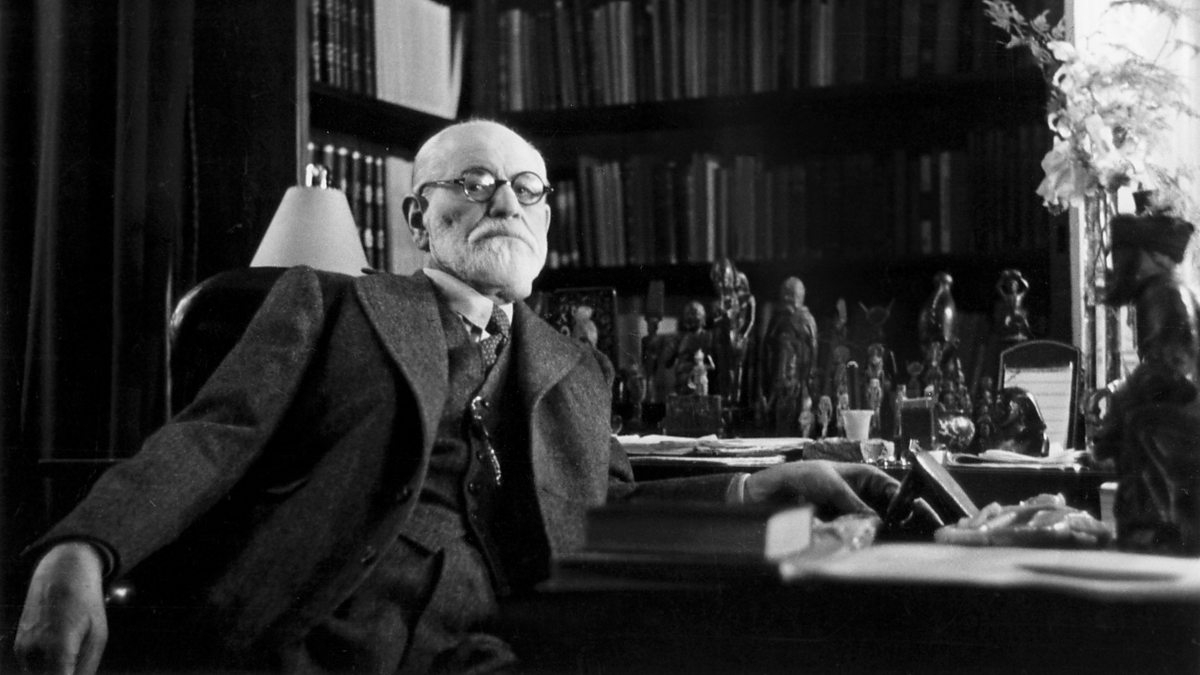
Freud wrote about community psychology and the analysis of the ego. In addition, he published a book in this regard in 1921.
In Conclusion
Social psychology is a prominent science because it tries to research and explain human behavior. Many researchers, thinkers, and scientists have worked on the interpretation of collective behavior and human nature to uncover the underlying reason behind the actions and responses to different situations. Is it because of this nature, or is it because of society and how individuals interact with one another in it? Despite the clashing opinions and our inability to find accurate answers to these questions, social psychology has helped us understand our behavior and its relation to the group we belong to.