6 Useful Tips to Build a Positive Self-image
A person's self-image affects all aspects of their life. A person with a healthy self-image lives a completely different life than someone with a negative one.
This difference includes several aspects, like work and relationships. A person’s self-image determines the extent of success they can achieve on the external and internal levels, which is the most important. It is a basic condition for a person to live happily and contentedly.
There is no doubt that the disdainful manner with which most people treat themselves creates anxious individuals who struggle to find their role in this life, especially with the harsh and hurtful judgments they make about themselves that destroy their self-worth.
It may take years to develop a stable and positive self-image, particularly for those who have struggled with issues related to this area of their lives that are either self-initiated or the result of external influences.
Thankfully, it is possible to bring about change through small and simple actions that significantly impact one's self-esteem and help one move away from the self-torture that has long plagued them and toward an image of strength, beauty, and competence.
6 Useful Tips for Building a Positive Self-image
1. Stick to your words and promises
Consider an individual who has always let you down, and you simply cannot trust. Consider their reputation in society. Self-image is your reputation from your personal point of view. This is where it becomes crucial to actually follow through on whatever decision or statement you make. It will eventually come to hold the firm belief that whatever you say or determine matters. You are, therefore, a significant individual.
2. Take responsibility for your life and actions
Placing responsibility for your life on others is the biggest cause of your feeling of helplessness. The best way to change your self-image is to regain your power and use it to build a better life in which you are responsible for all aspects of your life, including choices, actions, relationships, health, time, happiness, and money. For example, instead of saying, “Why don’t I have money?” say, “What am I doing that prevents me from making money?”
Remember that your life directly reflects your values, beliefs, and choices. When you take responsibility for that, you can make your life better. This will demonstrate your effective responsibility-bearing. Evading responsibility prevents you from doing anything in your life, makes you feel helpless, and destroys your self-esteem.
3. Prove yourself
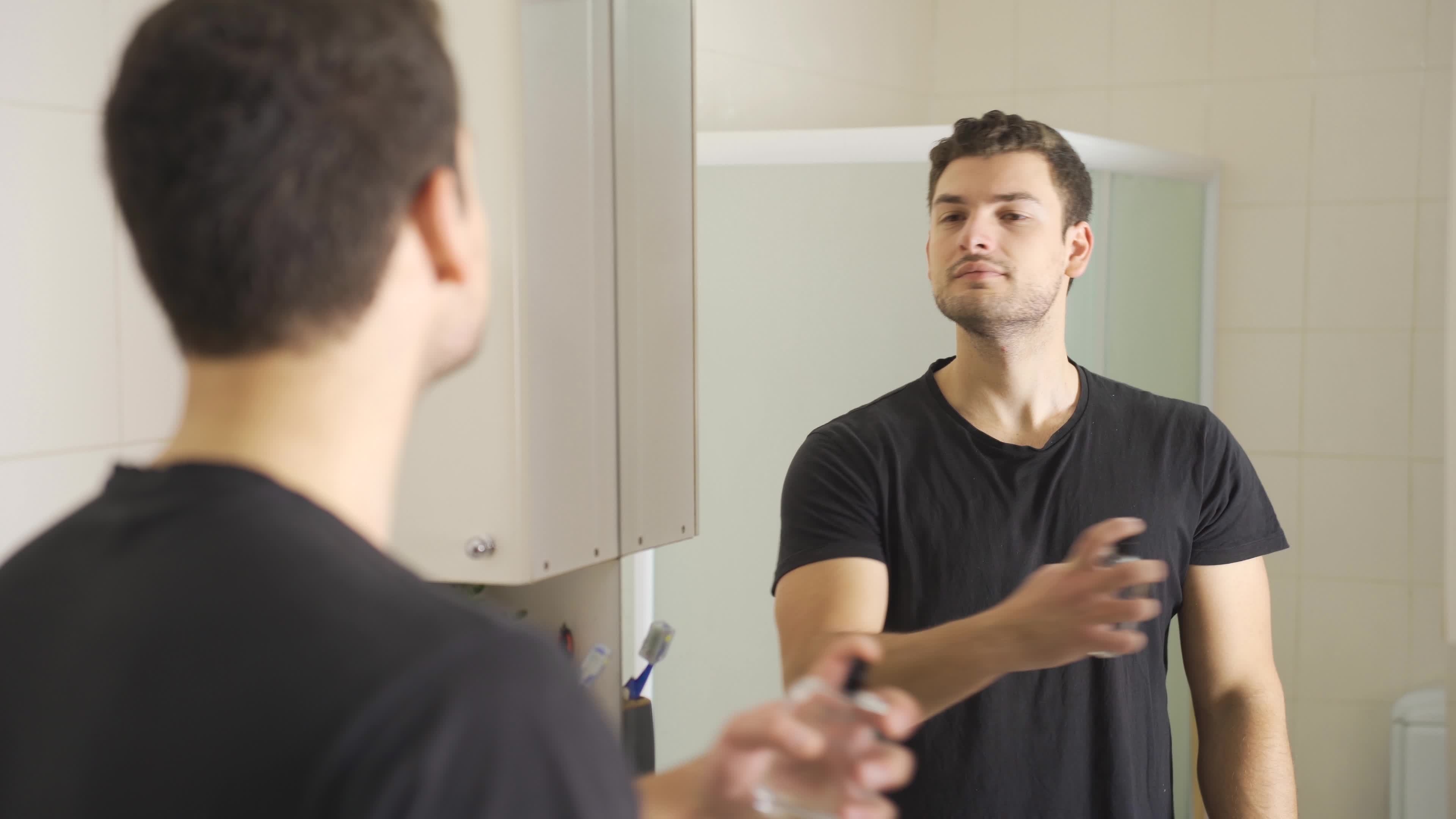
Your personal needs are no less important than the needs of others. Most people are used to sacrificing for the public good, regardless of what it is or how compatible it is with their values and interests. An essential part of self-esteem is to defend your beliefs and express your needs appropriately and clearly, if possible. You are the only person responsible and capable of meeting your needs. You must be in an environment that allows you to do this. If not, looking for a different environment that suits your needs is best.
This includes many details, such as being able to refuse any additional task that is beyond your capacity or not allowing anyone to waste your time talking about repetitive matters and problems. Being firm indicates your positive self-image and high self-esteem.
4. Plan your life, take action, and celebrate small successes
Set a goal for your life, and do not allow circumstances to determine your destiny. Start planning now and determine what you want to be and what success is for you. It is not necessary to plan the simplest daily details. It's crucial to avoid being a passive observer of your life's events or letting them consume you without awareness. Celebrate any success you achieve because it is a milestone, no matter how simple. It resulted from a plan you made and committed to implementing, so you have the right to be proud and celebrate it.
5. Choose your words carefully
How you speak greatly affects how you feel about yourself, others, and life. There is a big difference between saying, “Get out of my way” and saying, “Excuse me.” When you speak politely, no one will feel insulted when you ask them to get out of the way.
Use words that empower you. Saying, “I cannot do that, " means you are not free to choose. Instead, say, “I do not want to do that,” “I choose not to do that,” or “I will not do that.” Stop using the word “should,” as it is unhelpful and suggests helplessness. Also, stop using expressions such as: “I have to,” “I will try,” and “I need to,” and replace them with phrases that remind you that you are in control of your life and have the freedom to choose, such as: “I will,” “I intend,” and “I plan to.” These expressions increase self-confidence and boost your self-esteem.
6. Be kind
Being kind toward yourself will make it simpler to extend kindness and empathy to others and vice versa.
Be kind to others without anticipating anything in return. Continue expressing gratitude and praise to people for what matters to them. Offer help as much as you can. Always smile at others; it is a simple and effective way to enhance your self-esteem. Over time, you will find that you have become more compassionate towards yourself and have gained many friends who all agree that you are a wonderful person.
In Conclusion
You will achieve the kind of personality you have always wanted—a lovely, peaceful personality with high competence and merit—if you genuinely put the preceding tips into practice and have faith in their power and efficacy.