The Mind Is a Beautiful, Limitless Blessing: Tips to Expand and Grow Your Mind
The terms "knowledge" and "mind" are two closely related concepts that coexist in the same space. Activating, stimulating, developing, and broadening the horizons of the mind require engaging in various scientific fields, along with psychological, emotional, spiritual, physical, and physiological readiness to receive and process information.
This process activates the brain, awakening it from lethargy and eliminating sluggishness, laziness, and low activity.
The blessing of the mind
One of the beautiful blessings and grand gifts bestowed upon humanity is the gift of reason. It distinguishes us as human beings, enabling us to think, analyze, deduce, and construct. This profound gift serves as a clear testament to the honor and love that the Lord has for His creation. Reflecting on this, it brings to mind the notion expressed in various wisdom traditions that encourage gratitude and admiration for such a divine endowment.
Various cultures emphasize the importance of reason. "The insight of the smart mind is of the utmost importance and comes from thoughtful people." This statement emphasizes the inherent worth of reasoning in promoting comprehension, awareness, and moral behavior.
Therefore, a conscious and thoughtful individual should not overlook the great gifts of their Lord. Gratitude, glorification, and appreciation should be translated into action by preserving and directing one's mind toward positive thinking and the righteous path.
It is crucial to distance oneself from negative thoughts and indulgence in desires. Recognizing the greatness and significance of the mind, one should not destroy or undermine it but rather enhance and develop it. The elegance of the mind reflects on the body and the soul.
Understanding the Term "Mind"
The term "mind" encompasses several meanings. One significant aspect is the disciplinary force. Here, the mind serves a disciplinary function, preventing individuals from engaging in inappropriate and harmful behavior, imparting lessons in good manners, and guiding them on how to interact positively with others.
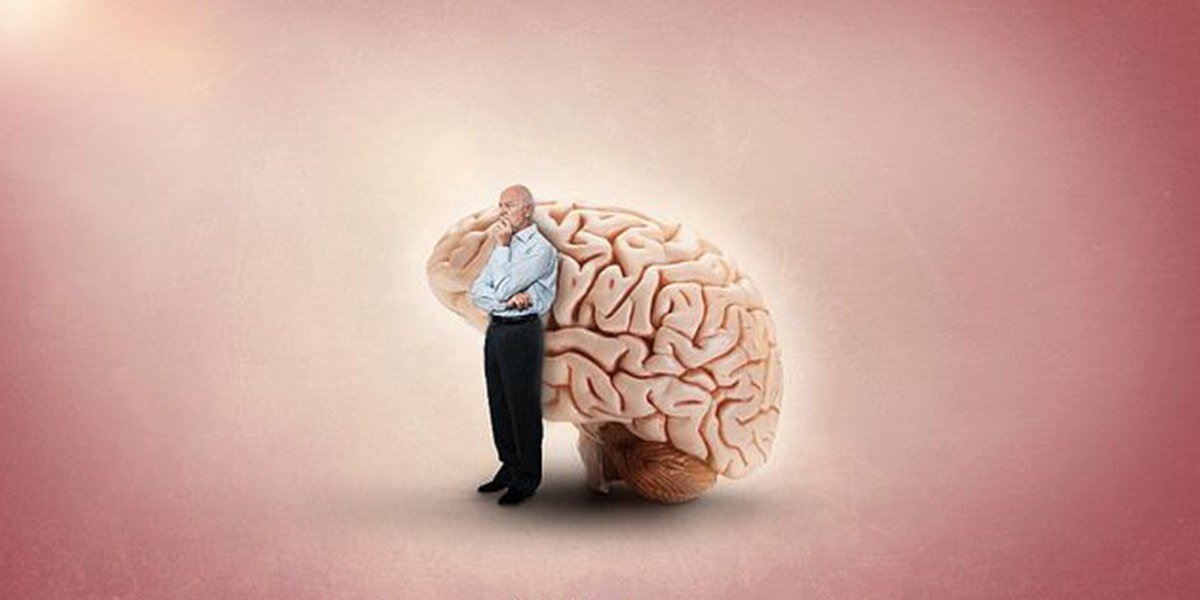
Another meaning associates the mind with the opposite of ignorance, dismissing the strands of regressiveness and lack of knowledge. In this context, the mind dons the garment of reason, knowledge, wisdom, intellectual judgment, comparison, and refined criticism that respects different opinions without resorting to disdain or attacking others' views.
Philosophers and the Mind: Its Secrets and Relationship to Existence
Within this context, we recall the saying of a wise man about the importance of the mind, "The necessary knowledge that occurs from the beginning and pervades the wise," and based on this saying, the human being can never be created without a mind; however, they also cannot detach from their mind.
As a living being, the Lord distinguished them from the rest of His creatures, including plants, inanimate objects, and moving and non-moving animals, with this beautiful and very sacred grace that is the blessing of the mind, meditation, and thinking.
What is the role of the mind?
The role of the mind extends beyond individual development; it has a pivotal place in many religions. All religions, in essence, promote tolerance, love, and peace, emphasizing the fight against ignorance that hinders human progress. These religions have worked to advocate for the mind and the human being and to fight everything that contradicts the human mind, marginalizes their space, and limits their development, growth, prosperity, and advancement.
The rules of love and peace that require the existence of a beautiful, intelligent mind that is open to other cultures, religions, arts, and sciences, whether their origins are oriental, exotic, or Persian,have been established since the dawn of history. Ignorance and extremism led them to fight against the harmful treatment of women. Gender equality was emphasized and women were granted their rights.
The Significance of Mind for Humanity
- The gift of the mind is considered a grace bestowed upon individuals, a manifestation of compassion for the human condition. It provides an opportunity for self-reflection, seeking forgiveness, and embracing a path of virtue. Individuals, by nature, are prone to errors and missteps. Intellect, as a guiding force, allows humans to navigate the complexities of life.
- The mind serves as the means for humans to be the Lord’s successors on Earth. Humans hold the highest status among all creations, superior to scholars, who dedicate their knowledge, lives, minds, and abilities in the service of learning and humanity as a whole.
- The mindful, conscious, and thoughtful human, in recognition of the vastness of this universe and the greatness of the Creator, actively engages in cultivating the earth, establishing hospitals, educating people, securing their livelihoods, and striving to reform the land and its inhabitants. The continuous effort aims at spreading values of goodness, tolerance, building peace, and establishing human justice, all leading to a virtuous city.
- The sane, conscious, thoughtful, and wise man is the Lord’s successor on earth and the dearest of His creatures.
- The mind is the best means for a person to differentiate between right and wrong, good and evil, obedience and disobedience, confession and denial, virtue and vice, sin and repentance, what calls for recognition and reward and what calls for punishment. A human being directs their mind towards good deeds to clean their souls and compensate for their wrongdoings.
It is important to note that the strength needed to nourish the mind is not about physical prowess but refers to wisdom, adherence to religious principles, doing good, avoiding evil, using one's mind for the right things like serving humanity, and contributing to the fields of human sciences through invention, innovation, reasoning, analysis, deduction, and discussion.
Tips for growing your mind
1. Practice new things
Performing new actions that the body is not accustomed to practicing or doing, such as swimming and others, renews the structure of brain cells. This reflects positively on the pathways of the nerve impulse, which leads to a great activation of the brain and an increase in the area of intelligence in a person.
To do new things and go through strange, fun and unfamiliar adventures, try to incorporate more than one activity per day, so read a novel, write a play, play the piano, make a chocolate cake, and learn to swim. All of these activities are beneficial and enrich the tangible mental material in your brain.
2. Exercise regularly
Exercise is life, as it strengthens your brain cells, contributes to their formation and composition, and makes the brain convolutions much wider and deeper than they used to be. Every time you exercise, you will feel like another human being, and this feeling will positively affect the brain, the nervous system, and mental health.
Exercise is the best and most successful way to get rid of the pressure, worries, pains and tragedies of contemporary life. Exercise also contributes to relieving tension and releasing negative energy, conveying a sense of positive energy and a rush towards life, not giving in to difficulties, and challenging the surrounding circumstances that impede success.
3. Make sure to train your memory every once in a while
Memory is a part of your physical structure. It is very similar to the organs of your body, and it needs continuous activation from time to time. It may get tired, like any part of your body, as it may be exposed to great stress as a result of the accumulation of memories and events that occurred in the past. This puts you at risk of forgetting.
Memory fatigue is in the form of early Alzheimer’s, which leads to a person forgetting the location of their home and work office, the names of things, the apartment number, the name of the street, and the addresses of shops and markets.
So based on this idea, you should be keen to constantly train your memory to activate it and give it the ability, space and possibility to remind you of the names of seasons, months, accidents, places, stories, and past events that passed in your life and were entrenched in your conscience and dug a huge and irreparable crack in your soul.
4. Be adventurous and try something new
Life is an adventure and a game, and we are a party to it, whether we are losers or winners, so do not be cowardly, fearful and wary of trying everything new. Beware of cowardice, as it diminishes your intelligence, weakens your personality, destroys your will, and makes you lose pleasure and resistance to challenges.
Fear of the unknown is a disease that settles in the brain, damages its cells, and causes laziness, lethargy in thinking, a scarcity in knowledge, a deterioration in experience, and a collapse in experience.
Strong individuals with steely hearts, steely wills, and open, perceptive minds that welcome everything with openness are what the world needs. Thus, acquire odd skills that you have never used in your life, and you will realize that you are an entirely distinct individual with a different perspective on life as well as a different mindset and way of thinking. Thus, take risks and show no concern, and you'll get the desired outcome.
In conclusion
Make sure you have positive thinking skills, strategies, and approaches. Thinking positively opens up more mental space and stimulates the brain. An optimistic outlook on life, the future, other people, and yourself above all has a major positive impact on your nervous system and psychological well-being.
Negative thoughts that cause destruction, constantly rising anxiety, severe helplessness that lasts a long time, utter negativity, and a gloomy, lethal melancholy all kill nerve cells and have a detrimental effect on your psychological condition.
One of the symptoms of negativity is ignorance, indifference, a narrow perspective, a fading dream, disappointments, depressive episodes, a pattern of persistent failure, and the loss of the real joy that comes from achievement.