The Circadian Rhythm: What Is It? And How Do We Get It Ticking to Keep Our Minds Sharp? (Part I)
Ever feel like your actions are out of sync with your mind or body? Our productivity, our restful sleep, and finally, how balanced our lives seem are all greatly influenced by our daily habits and activities.
Certain processes and functions in our bodies occur at different times of day. Our activities must align with these internal processes to sync up and find balance in our existence.
Take, for instance, the process of gearing up our bodies to digest food and engage in the eating process. Our circadian rhythm, also known as our biological clock, plays a significant role in these processes. Living a healthy, happy, and fulfilling life requires us to be mindful of how to sync it with our everyday activities.
Perhaps you're asking yourself, "What is this circadian rhythm exactly, and how does it affect our lives?"
Well, in this part of the article, let's get right into it so you can understand everything there is to know about the clock in your body. We'll go over its general concept, how it works, provide some examples, and what it consists of.
A Brief Introduction to the Circadian Rhythm
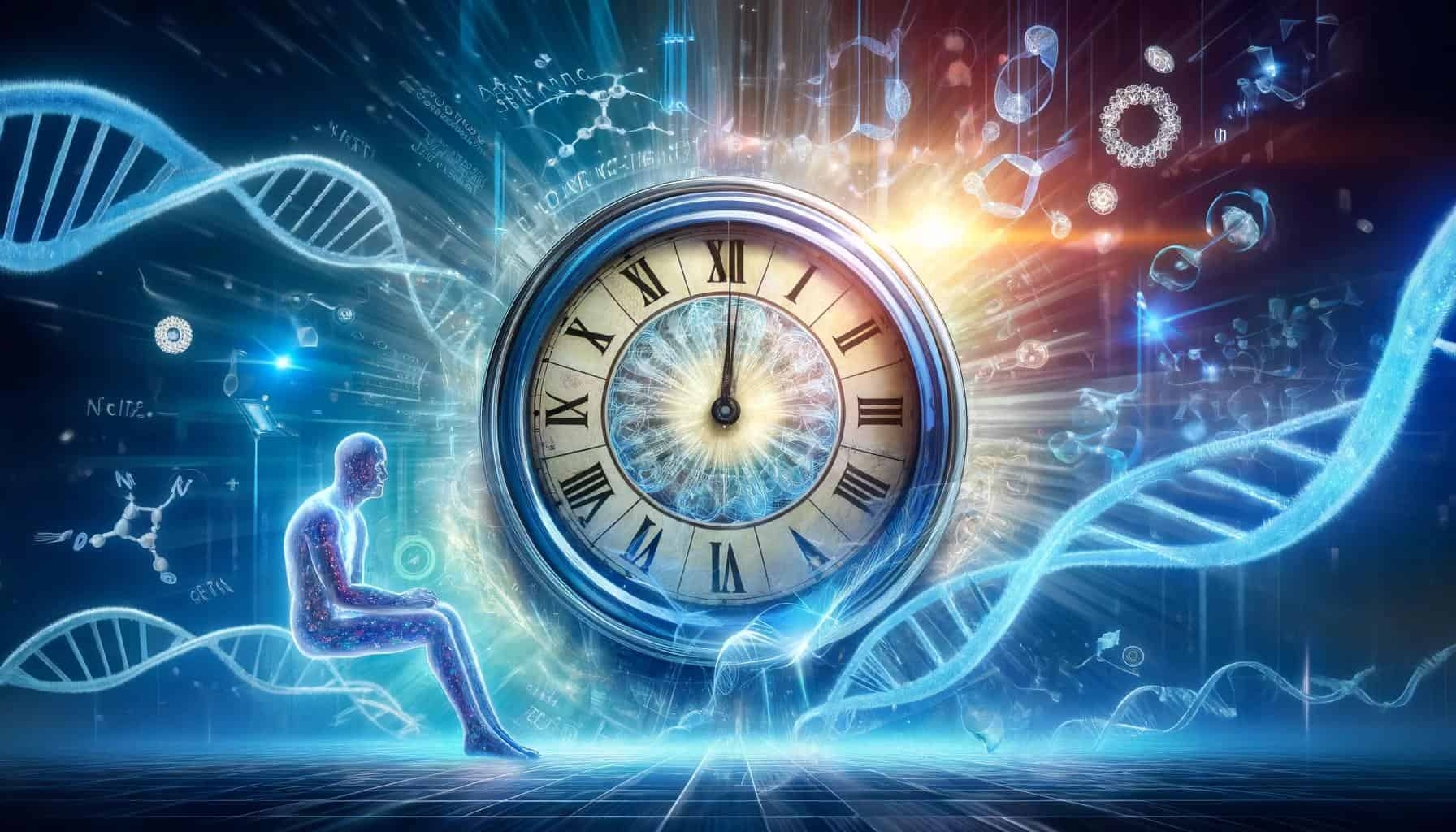
In a nutshell, the circadian rhythm is the pattern of changes occurring in different parts of living organisms, such as their physical and mental aspects, over approximately 24 hours. These natural cycles include changes in body temperature, cell renewal, hormone levels, sleep at night, and wakefulness during the day.
These changes aren't exclusive to humans; they occur in plants, animals, and other living beings as well. For instance, many other biological processes, like food absorption, occur across all living beings at specific intervals.
The circadian rhythm is tied to the daily routines of living beings and is also linked to the Earth's rotation around its axis, determining day and night. External factors, like light, influence it. The term chronobiology refers to the study of the circadian rhythm.
Understanding How Circadian Rhythm Works
Ideally, the circadian rhythm regulates various processes and activities within our brains and bodies and other living beings. Several factors influence it, including our lifestyle patterns, eating habits, age, and physical and social activities.
Despite being an external factor, light is also essential to the circadian rhythm's operation. The suprachiasmatic nucleus in the brain receives information from our eyes as they detect various light levels.
From there, other parts of our brain and body are signaled to activate certain processes and changes depending on the brightness of the light and the time of day. Other processes that do not sync with this time are not activated. In other words, the circadian rhythm regulates body functions according to certain day periods.
It is common to refer to the suprachiasmatic nucleus as the daily pacemaker or the master clock. It consists of approximately 20,000 nerve cells and is located in a part of the brain called the hypothalamus. It's called the master clock because it also controls other smaller biological clocks in living beings.
Smaller biological clocks exist in various tissues or organs of other living organisms, including proteins associated with cells, making the body more or less active. Studies have revealed a striking similarity in the genes that control these biological clocks in plants, fungi, animals, and humans.
Compared to the circadian rhythm, these smaller biological clocks have a much broader scope of operation. They're also responsible for changes in living beings, such as plants, during different seasons of the year. Their work isn't limited to the 24-hour cycle, as circadian rhythms are part of the broader impact created by other biological clocks.
Examples from Different Living Beings
Almost all living beings have a circadian rhythm. Let's take a look at a few examples:
1. Human Biological Clock
The digestive system is a prime example of our biological clock in action. During meal times, the biological clock prepares the body for changes about to occur in the small and large intestines and other parts of the body. It influences the production of proteins, gastric fluids, and other biomolecules required for this process.
2. The Biological Clock in Plants
Gonyaulax polyhedra, a water plant, throws a nighttime light party without a sensible heat or burning process. It's a splendid example of the botanical biological clock, where the plant illuminates the night hours and dims its light during the day. This occurs approximately every 24 hours.
3. The Biological Clock in Animals
Animals have their own circadian rhythm too! It affects the feeding process in rodents, mammals, and birds alike. It's known that rodents have a keen sense of smell at night, and the presence of light detected by their biological clocks situated in a certain area of their hypothalamus helps them determine the best time to search for food. It also influences sleep and activity patterns, as well as mating seasons.
4. The Biological Clock in Fungi
The development of spores and their release in fungi deviate from the known circadian rhythms in living organisms of this type. Light, moisture, temperature, and wind speed are some of the factors that influence spore release. Some spores with thick walls are released during the day, whereas sensitive spores with thin walls—which could be damaged by sunlight—are released at night.
What Makes Up the Circadian Rhythm?
The circadian rhythm involves many factors and changes within our bodies and targets different parts of them. Listed below are a few of them:
1. Period Genes and Cryptochrome Genes
The fundamental Period gene and the Cryptochrome gene play a major role. They are associated with a protein that fills the cell nucleus at night and decreases during the day.
2. Body Cells
The brain has cells that detect daylight and darkness, passing this information to other body parts to prepare for different physiological states, such as sleep, wakefulness, and feeling active, alert, or tired. Parts of your body respond to changes in these cells, which helps you fall asleep and wake up.
3. Body Temperature
Your body cools down to facilitate sleep using the circadian rhythm that regulates both waking up and sleeping. When you're about to go to sleep, your body temperature drops, and when you're about to wake up, it rises, helping you feel more active, alert, and awake to face your day.
4. Hormones
The two hormones that affect the sleep-wake cycle are cortisol and melatonin. When you're about to sleep, high melatonin levels are produced. Light also influences this hormone; in the dark, more melatonin is produced. This is why it's always recommended to turn off lights during sleep. Cortisol, on the other hand, is a stress hormone that is released during the day, particularly in the morning, to help us wake up and be active.
To Wrap Up
In this part of the article, we discussed the meaning of the circadian rhythm, also known as the biological clock. We also touched on its mechanism in living beings, provided some examples, and listed its components and the changes targeting different body parts.
We will continue exploring how the circadian rhythm gets out of sync and how to fix it to have a clearer mind in the next part of this article.