Causes of Exam Anxiety and Methods for Overcoming It
Most people experience anxiety, but it is a fleeting emotion that comes and goes and abounds in moments full of emotions, whether happy or sad.
In many cases, anxiety is an irritating emotion. So, in order to be prepared for situations where courage is required, we must manage and adapt it.
This article will outline the anxiety that a person experiences prior to an exam, where we discuss its concept, causes, and solutions.
What causes exam anxiety?
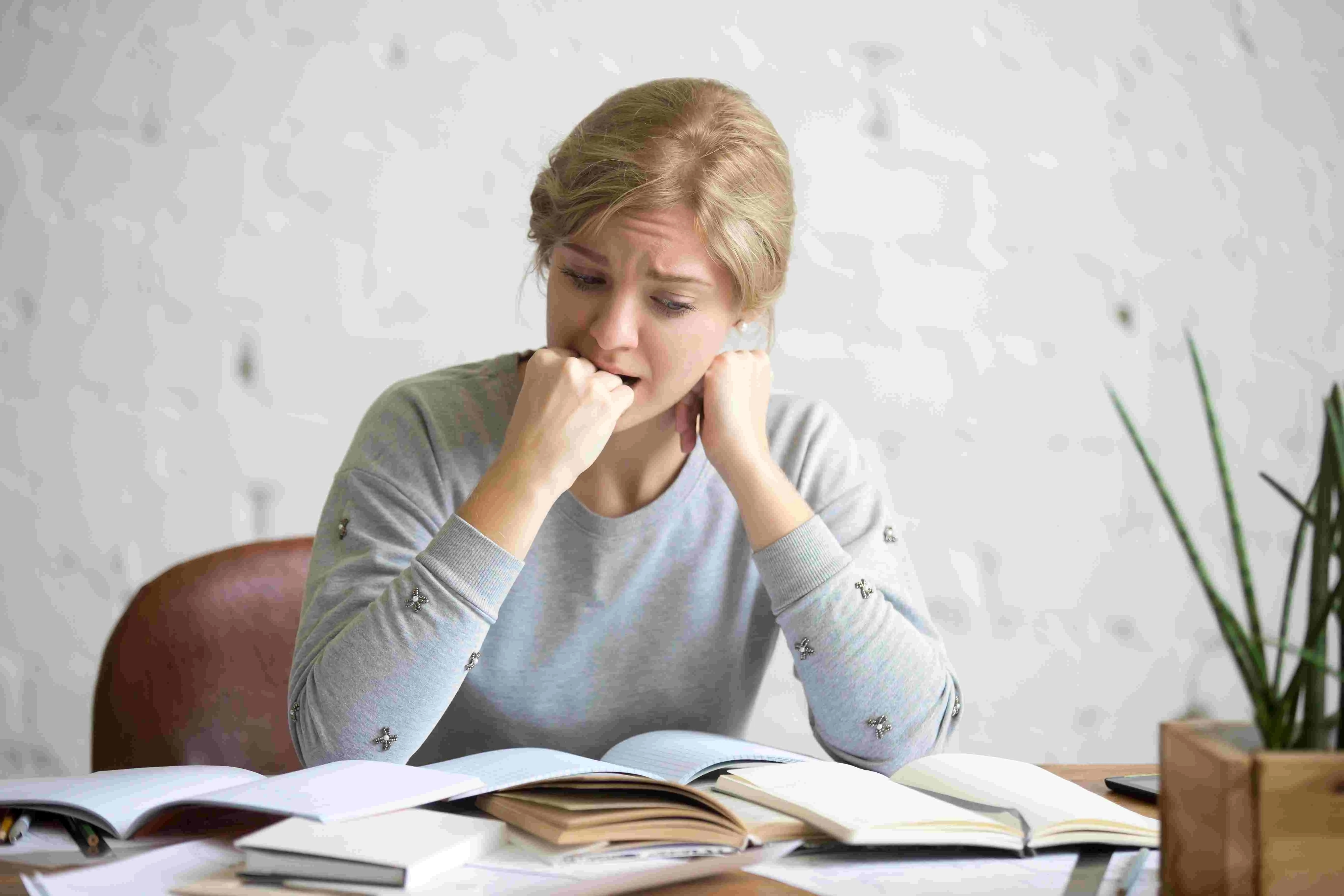
One of the nervous and psychological disorders that causes suffocating distress and insomnia is this one. During the exam period, especially at night, it happens frequently. In the few days leading up to the start of the exams, many people may experience stress and anxiety because they feel as though the crucial moments have begun and there is no time for hesitation or error.
In fact, anxiety serves as a natural form of protection and is a completely healthy emotion because it keeps a person constantly alert on both a psychological and physical level. It also helps people accomplish great deeds because it gives the anxious person a sense of responsibility.
Despite this, excessive anxiety and intense fear have a negative impact on a person's day-to-day activities, which lowers the level and quality of their performance and worsens their psychological and physical health.
What can parents do?
Parents have a big responsibility to calm their kids down before the test. Instilling a state of calm and relaxation in their children prior to exams is largely the responsibility of the parents. They must therefore complete some tasks, such as:
- Children should grow up in a family environment that is characterized by security, peace, and tranquility.
- Throughout the academic year, parents must prepare their kids for the examination stage and reassure them that they have nothing to worry about.
- As much as they can, parents should keep their children from seeing signs of stress or anxiety.
- Instead of making fun of their kids, which undermines their self-confidence and adds a lot of stress, anxiety, and frustration to their lives, parents should encourage, boost their kids' self-confidence, and support them as they persevere.
- In terms of their abilities or potential, parents shouldn't limit their kids, and they shouldn't undervalue their goals, no matter what they may be, especially in public. Dealing with their abilities in a logical and realistic manner is preferable.
- In order to avoid frustrating their kids and impeding their success, parents should avoid comparing their kids to other kids or family members.
- Without considering their talents, ambitions, and abilities, parents shouldn't push their kids to attend a university they don't want to. Instead, focus should be placed on these tendencies, skills, and abilities.
- Children should be encouraged by their parents to study the subjects they find challenging and do not fully understand.
- Before the exam, parents should refrain from overburdening their kids with extra work or pointless housework.
- Children must be persuaded by their parents to abstain from stimulant beverages like tea, coffee, and soft drinks.
Reasons to be concerned before the test
- Lack of thorough early preparation for exams, which increases student anxiety and increases their risk of having a nervous breakdown. Parents and teachers bear responsibility for this issue because they need to adequately and early prepare the student psychologically.
- Thinking about failing or not succeeding in the exam can make a student pessimistic because negative thoughts predominate before the exam.
- Fear of how their parents will react if they don't get the grade they want and sadness over their disappointment if they don't pass the test are both felt by the student.
- The student's desire for excellence and superiority over their peers may lead to a competitive atmosphere among students. While this competition sometimes encourages students to persevere and persist, it can also lead to anxiety before exams.
- The student's lack of confidence stems from their perception that their mental capacity is poor, that they won't remember the information in the exam, and they have thus underestimated themselves.
- Lack of thorough understanding of the exam material, which is the fault of the student who put off learning some material until just before the exam was to begin, at which point they realized they didn't understand it.
- Embarrassment of the subject teacher, which shows that there is a broken relationship between students and teachers in which the student is afraid of the teacher for some reason.
- Parents expect their child to succeed at the highest levels because some parents place psychological pressure on their kids without considering their aptitude or potential. When a student falls short of their parents' expectations, they may experience intense psychological pressure from them, which could impair their ability to concentrate.
- Parents' conflicts or social family crises can put students under psychological pressure, which can have a negative effect on their academic performance and cause stress and anxiety before exams.
- Not giving the student enough time to complete the exam causes psychological stress, which causes them to lose focus on their studies.

How can we overcome the negative effects of anxiety?
- To control anxiety before an exam, a person must present a good motivation that motivate them, strengthen their resolve and persistence, and relieve their tension. For example, if a person dreams of becoming a doctor, they must tire and endure hardships in order to achieve their dream. Also, this person must allow themselves before the exam to imagine themselves as a doctor afterward, which reduces their anxiety about the exam.
- It is critical to direct current anxiety in a positive direction rather than making anxiety a tension of things that will happen in the future, about which we do not know whether they will be good or bad.
- Before the exam, a person should relax for 10 minutes, not do anything, get all thoughts out of their head, and remain clear and calm.
- Exercise for 30 minutes a day leading up to the exam will benefit a person's health, memory, ability to cope with stress, and overall sense of vitality and activity.
- Sometimes listening to soothing music can help you relax and de-stress.
- Avoid stimuli on the days of your exams because they can make you drowsy at night by rousing your nervous system.
- Before the exam, get a good night's rest because it's one of the most crucial things one should do. Sleep plays a significant part in memory formation, which aids in exam memory.
- Lower the level of stress at home. This will have a negative psychological impact, limit the students ability to focus, and increase the likelihood that they will become distracted.
- On the final day before the exam, review the subject's key concepts just for peace of mind because doing so increases confidence in knowledge.
- The morning of the test, consuming walnuts improves memory and stimulate the brain.
In Conclusion
We must understand that the foundation is psychological readiness for anything. Therefore, before completing any task that we must complete, especially if it has implications for the future, we must fully prepare ourselves and make it ready. Our future and the goals and aspirations we base our lives on may be destroyed if we are unable to manage the anxiety that rises before an exam.
Let's live in peace and understand that if a person performs all of their duties, there is nothing to worry about, and that if we can learn to manage our emotions and guide them in the right direction, our wishes will eventually come true.