12 Inventions Were Invented by Chance and Changed the Face of the World
The need is not always the mother of invention. Most of the things we rely on to treat our diseases, cook our meals, and deliberately sweeten our days.
Most of them were invented by chance, and you will learn in this article how the inventions that changed the shape of society - from Coca-Cola to penicillin and microwave ovens - arose by chance.
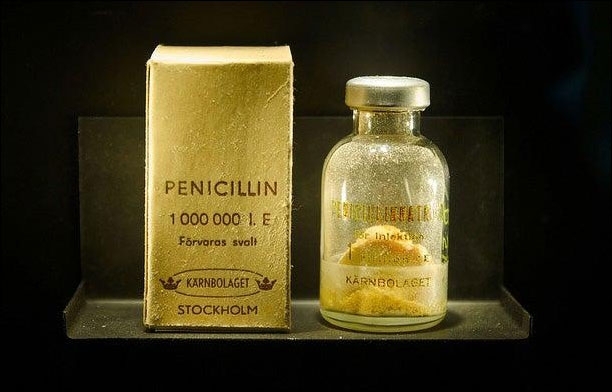
Penicillin
- Inventor: Sir Alexander Fleming, scientist.
- What he was trying to invent: Ironically, Fleming was looking for a "miracle drug" that would cure diseases, but he did not find what he was looking for until he eliminated his experiences.
- How it was made: One day in 1928, Fleming noticed that his contaminated Petri dish contained a mold that dissolved all the bacteria around it. When he planted the fungus, he knew it had a powerful antibiotic, penicillin, to treat many diseases, from syphilis to tonsillitis. Thanks to penicillin and other antibiotics, the mortality rate from infectious diseases is now one-twentieth of what it was in 1900.
Coca-Cola
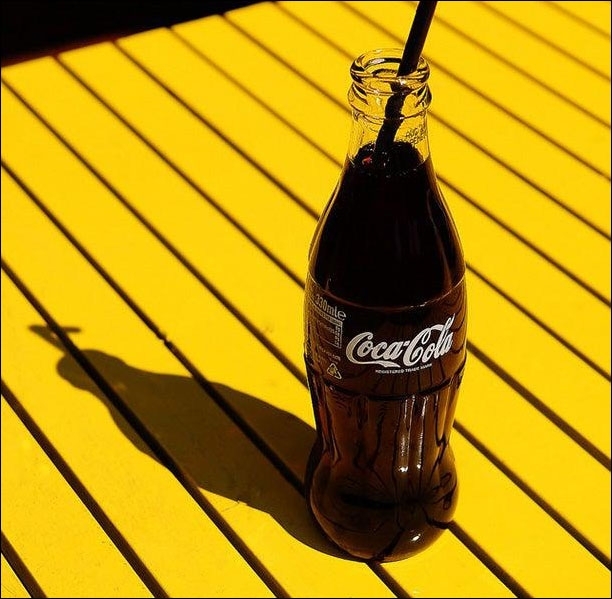
- Inventor: John Pemberton, pharmacist.
- What he was trying to make: While Pemberton lived in Atlanta in the 1880s, he sold a beverage made of wine and coca extract, dubbed Pemberton's French Wine Coca, as a treatment for headaches and neurological disorders.
- How it was made: In 1885, Atlanta banned the sale of alcohol, so Pemberton created a version of the drink based on pure coca to mix with carbonated water and drink as a soda; the result was an ideal brain-stimulating drink called Coca-Cola.
Chocolate chip cookies
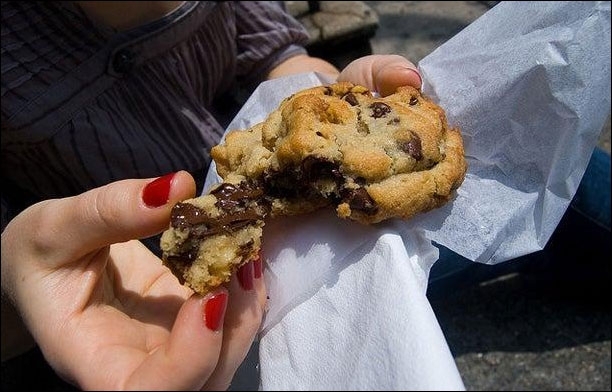
- Inventor: Ruth Wakefield, owner of the Toll House Inn.
- What she was trying to make: Wakefield wanted to make just some chocolate cookies.
- How it was made: While mixing some of the biscuit dough in 1930, Wakefield discovered that the biscuit chocolate had run out, so she broke the sweetened chocolate into small pieces and added it to the biscuit dough as an alternative, thinking that it would dissolve in the mixture, but the small pieces remained stuck.
Potato chips
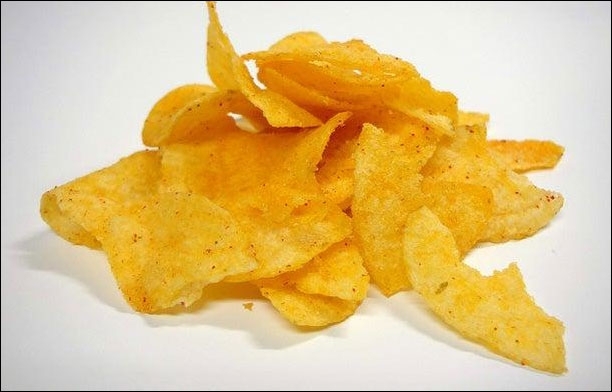
- Inventor: George Crum, an American chef.
- What he was trying to make: Chrome was trying to serve fries to a customer in the summer of 1853.
- How it was made: A customer kept sending french fries back to the kitchen, asking for them to be thinner and more fragile, so Chrome lost his temper, cut the potatoes into fluffy slices, and fried them until they became very crispy, and what surprised Chrome was that the customer really loved them.
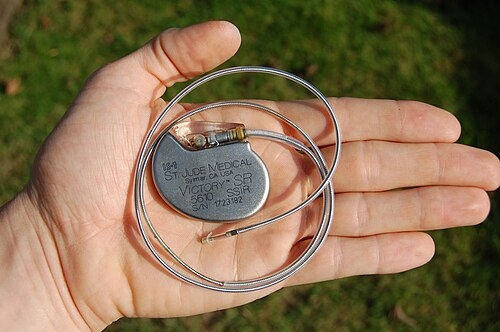
Pacemaker
- Inventor: John Hopps, Electrical Engineer.
- What he was trying to make: Hobbes was researching hypothermia, and he was trying to use RF heat to restore body temperature.
- How it was made: Hobbes realized through his experience that if the heart stopped beating because of cooling, it could beat again by artificial stimulation, leading to the invention of the pacemaker in 1951.
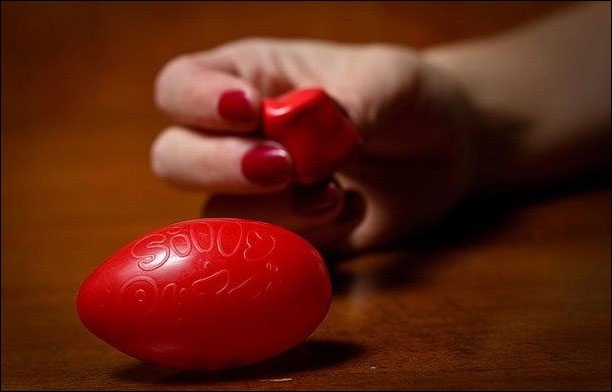
Silicone Putty
- Inventor: James Wright, an engineer at General Electric.
- What he was trying to make: The U.S. government needed rubber for airplane tires, boots, and the like during World War II, and Wright was trying to make a replacement for silicone rubber because it was an available material.
- How it was made: In 1943, Wright added boric acid to silicone oil during his test, which produced a viscous, rubbery substance. Although he did not discover a way to use silicone paste practically, the lack of practical use made it great.
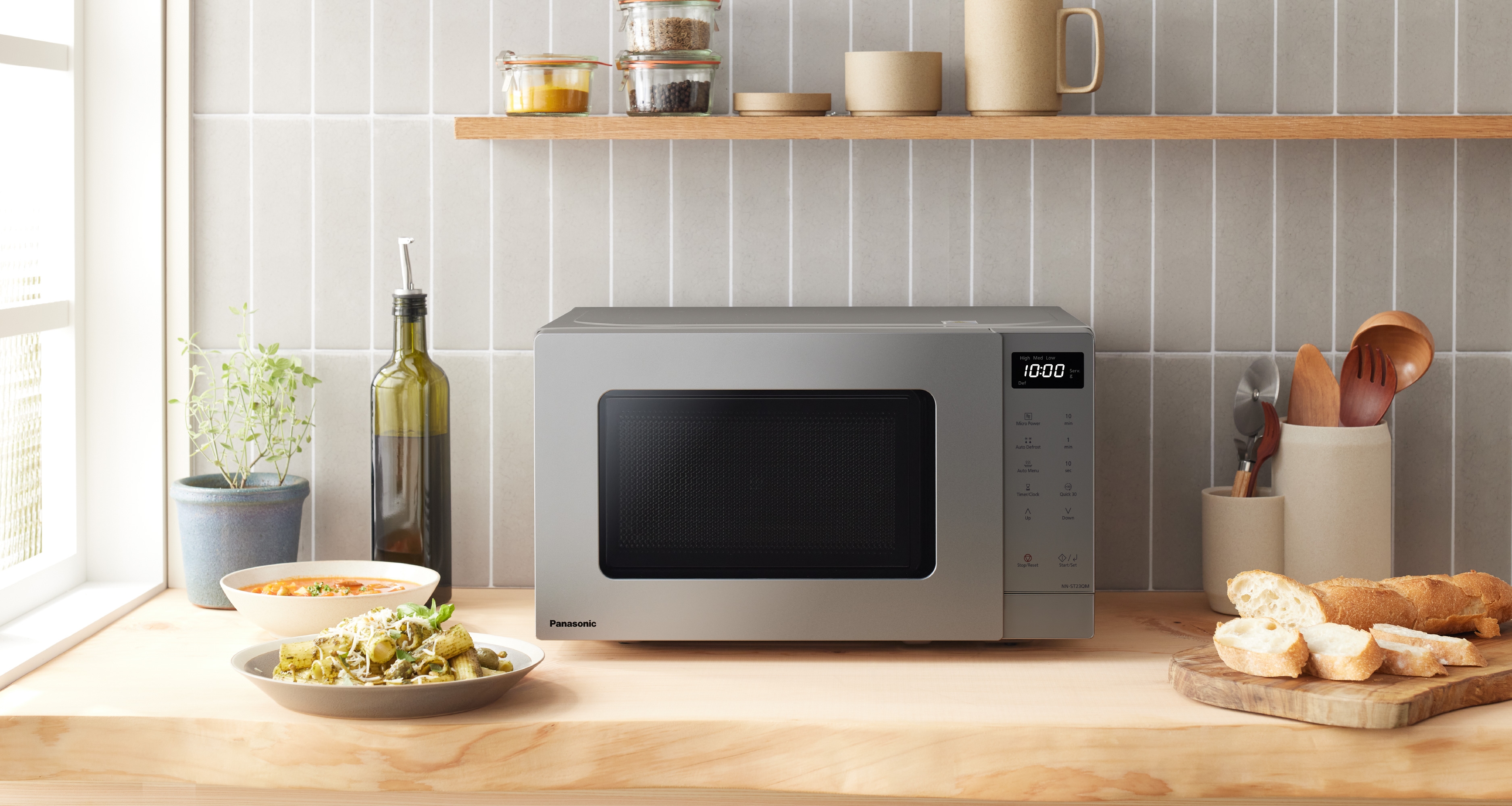
Microwave ovens
- Inventor: Percy Spencer, an engineer at Raytheon.
- What he was trying to make: In 1946, Spencer was conducting a radar research project using a vacuum tube.
- How it was made: During the tube experiment, a candy bar in Spencer's pocket began to melt, so he brought some raw popcorn and put it in the machine until the popcorn bloomed. Spencer already had 120 patents, and by then, he knew he had a revolutionary device that would help chefs everywhere.
Lysergic acid diethylamide (LSD) as a drug
- Inventor: Albert Hofmann, chemist.
- What he was trying to make: He was researching lysergic acid derivatives in a laboratory in Basel, Switzerland, in 1938.
- How it was made: Hoffman inadvertently ingested a small amount of lysergic acid diethylamide (LSD) while researching its properties; he then experienced the first hallucinogenic episode in history, discovering a drug that would later become controversial.
The drug also had an impact on technology: Steve Jobs said that taking lysergic acid diethylamide was one of the two or three most important things he did in his life.
_as_a_drug.jpg_fc89e602267cc2e_large.jpg "Lysergic acid diethylamide (LSD) as a drug")
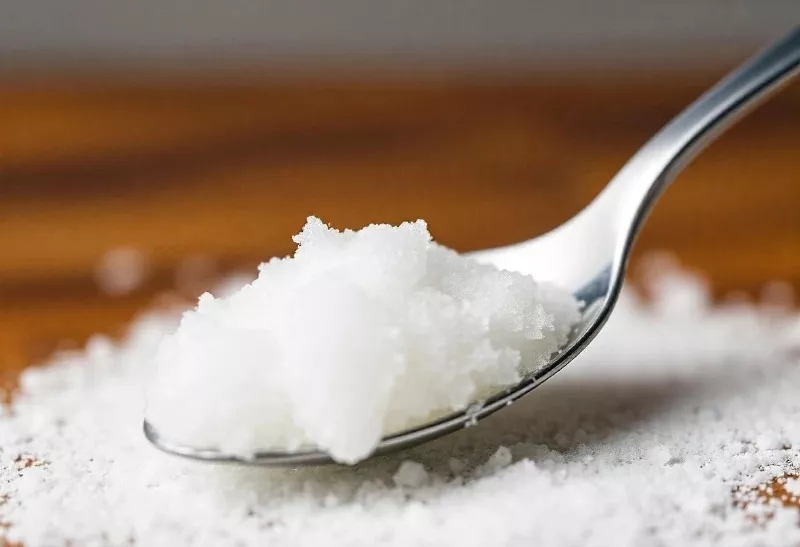
Saccharin
- Inventor: Constantine Fahlberg, a researcher at Johns Hopkins University.
- What he was trying to make: Fahlberg was trying to find a new use for coal tar in 1879.
- How it was made: When he returned home after a long day in the lab, Fahlberg noticed that his wife's biscuits tasted sweeter than usual and knew that the secret ingredient was the chemical that was later known as saccharin that was left on his hands after returning from the lab. After that, he immediately applied for a patent and mass-produced his product.
Post-it notes
- Inventor: Spencer Silver and Art Fry, researchers at 3M Labs.
- What they were trying to make: In 1968, Silver made a lightweight adhesive, but he found no use for it.
- How it was made: The Silver adhesive was magnificent because you could stick something light to it as a piece of paper and pull it out without damaging either surface. Moreover, the adhesive can be used repeatedly, so he tried to find a marketable use for the product for three years, apparently to no avail.
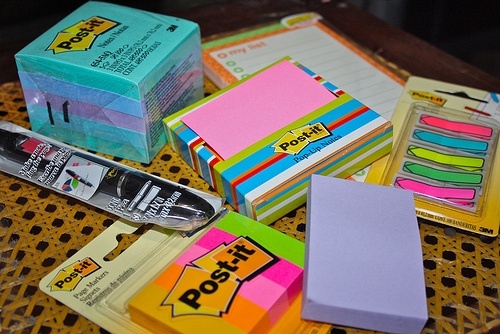
Years later, his colleague “Fry” found himself frustrated when he did not find a way to stick the papers in one of the books, and then the idea of sticky scraps came to him, but the scraps did not spread throughout the country until 1980.
Scotchguard (stain cleaner)
- Inventor: Patsy Sherman is a chemist in the 3M lab.
- What she was trying to make: In 1953, Sherman was commissioned to work on a project to develop a rubber material that would not be damaged when exposed to jet fuel.
.jpg_9af2dbdeeefdc60_large.jpg "Scotchguard (stain cleaner)")
- How it was made: The assistant accidentally dropped the mixture Sherman was testing on her shoes. The rest of her shoes became dirty and stained, while one spot remained bright and clean, so she recognized the stain-resistant compound known today as Scotchguard.
Corn Flakes
- Inventor: John Kellogg and Will Kellogg, businessmen.
- What they were trying to make: The brothers were boiling cereals to make granola.
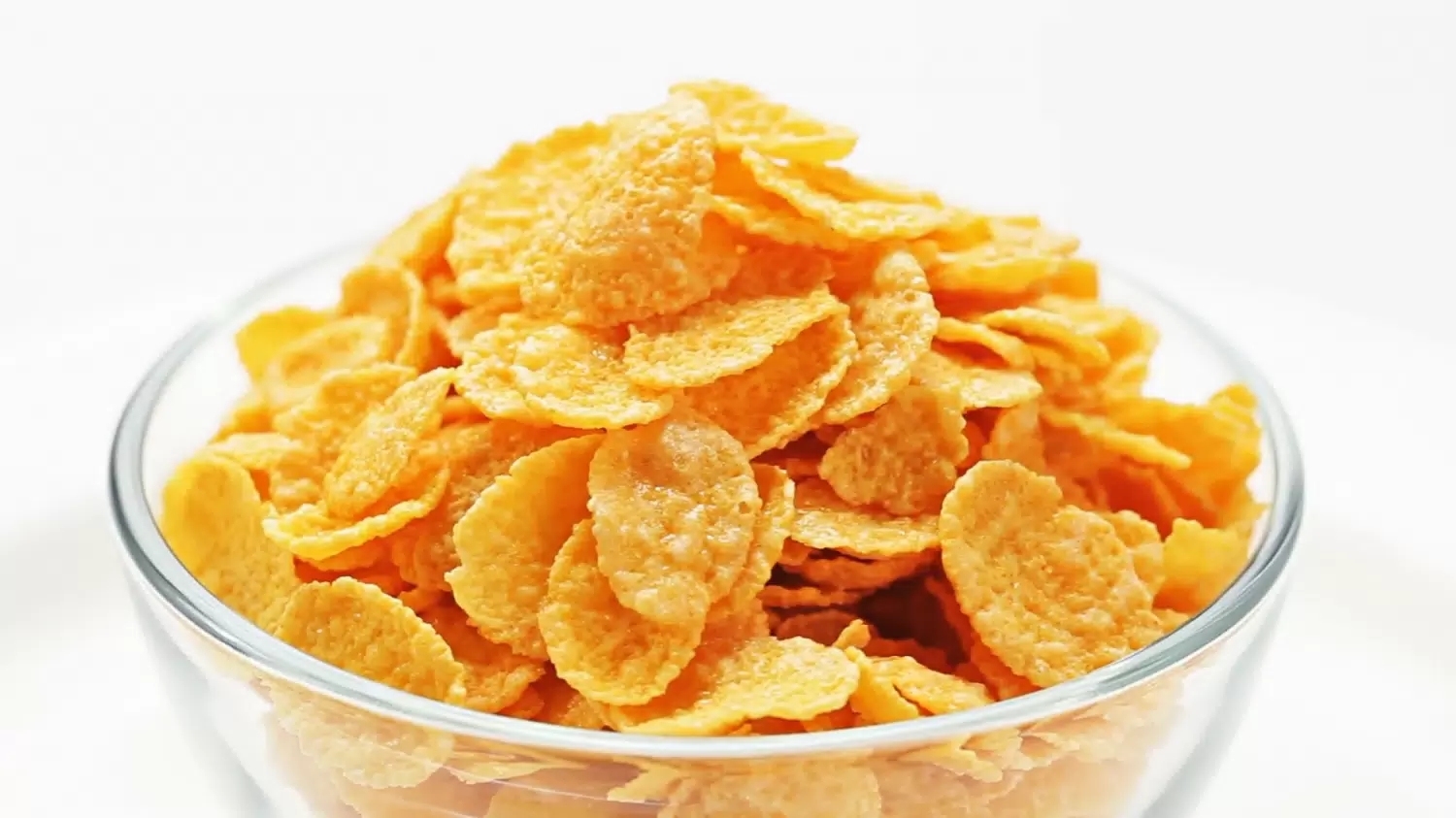
- How it was made: In 1898, the brothers accidentally left a bowl of boiled grain on the stove for several days; the mixture rotted, but the product that appeared was dry and thick, and after a few experiments, they eliminated the mold and made corn flakes.